
Connect Performance Improvement Plan Context Across HCM
Keep documented performance-improvement context connected with employee records, coaching, development, and reporting across TraineryHCM. PerformSpark handles the specialist PIP workflow.
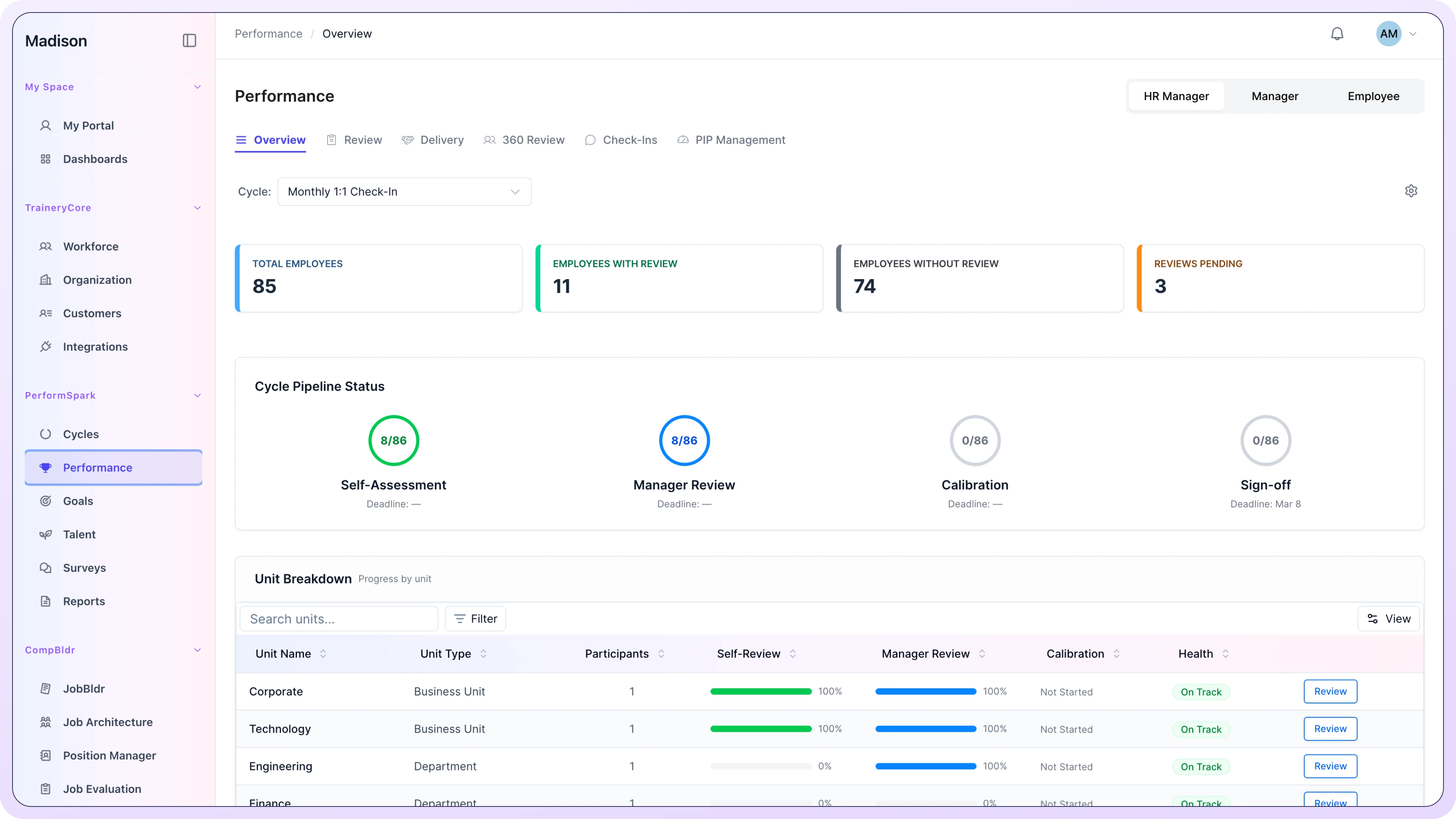
When Performance Issues Aren’t Addressed Early
Underperformance becomes a problem when expectations are unclear and follow-through is inconsistent. When left unmanaged, small gaps turn into organization-wide liabilities.
Why Traditional Reviews Fall Short

Reviews happen once a year and go nowhere.
Learning is random and disconnected from performance.
Compensation decisions feel unclear or unfair.
How a Connected Performance Process Helps

Performance outcomes can inform development and career conversations when organizational policy calls for it.
Learning follows performance insights within daily work.
Compensation shows growth and impactful behaviors.
.svg)
Conversations lack structure
.svg)
Goals and timelines are vague

Progress isn’t documented
.svg)
Employees feel treated unfairly
.svg)
Managers carry unnecessary risk
.svg)
Defensible paths forward
PIP Context Connected Across TraineryHCM
Connect documented improvement-plan context with employee data, coaching, development, and reporting while PerformSpark owns the detailed specialist PIP workflow.
.svg)
Consistent Performance Framework
Clear Expectations and Outcomes
Time-Bound Progress Plans
Shared Visibility
.svg)
Documented Accountability
.svg)
Enterprise Compliance
From Uncertainty to Confident Action
A structured feedback and listening system that turns input into insight and insight into action.
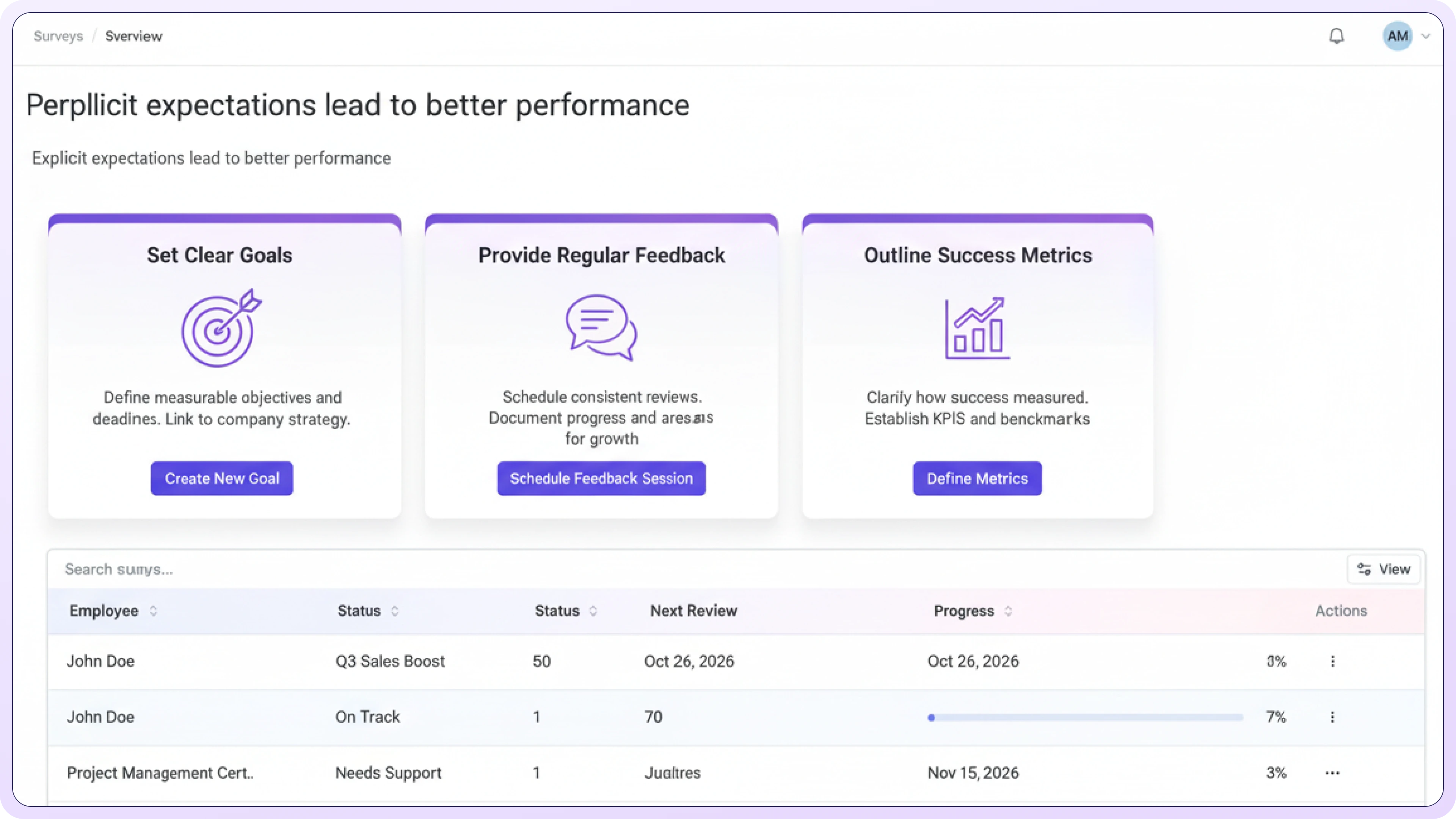
Explicit expectations lead to better performance
Employees perform better when expectations are explicit. Clear improvement plans remove ambiguity and reduce anxiety around performance conversations.
.svg)
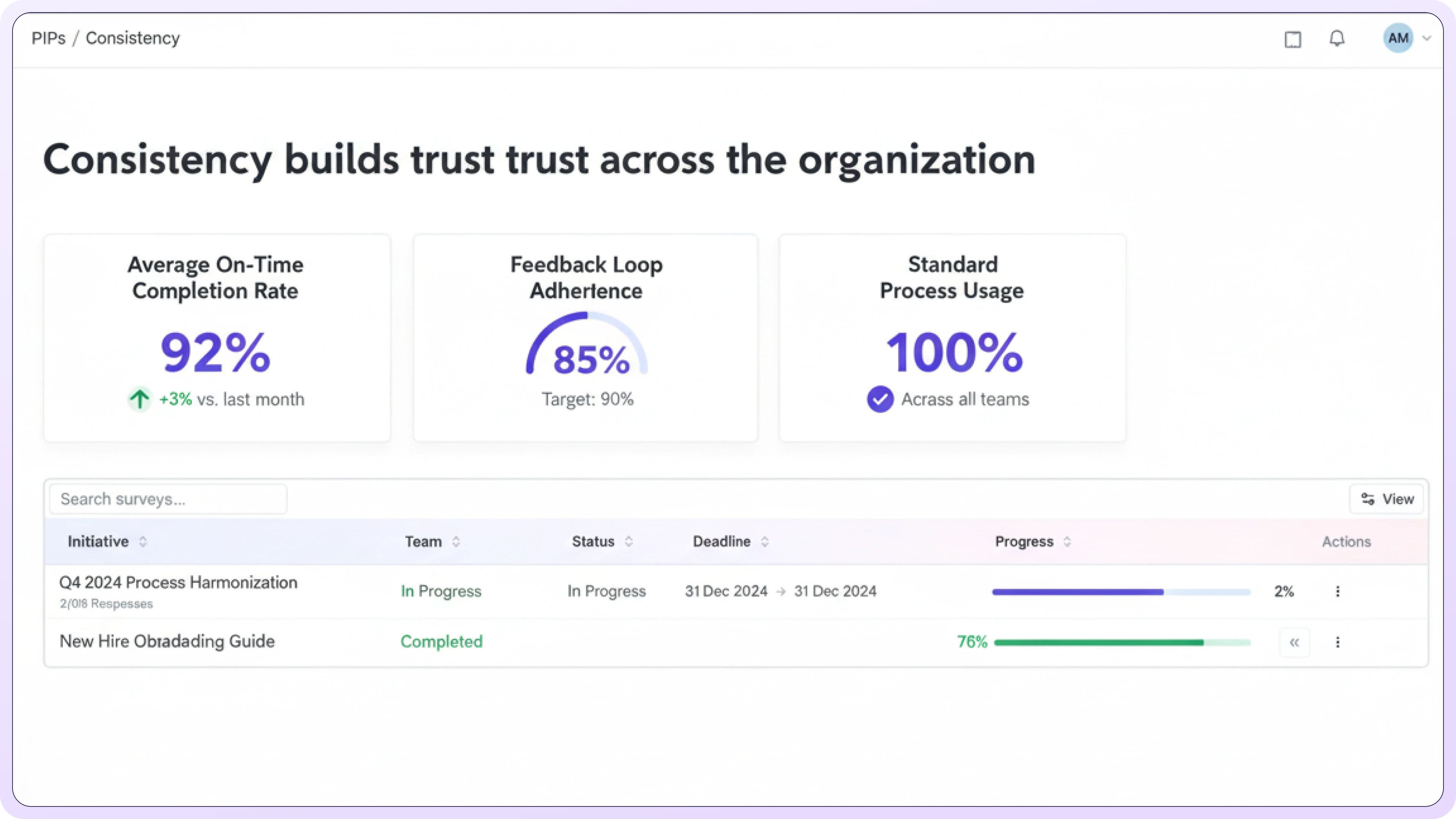
Consistency builds trust across the organization
A consistent process can make expectations and documentation easier to understand across similar situations, while HR judgment and organizational policy remain essential.
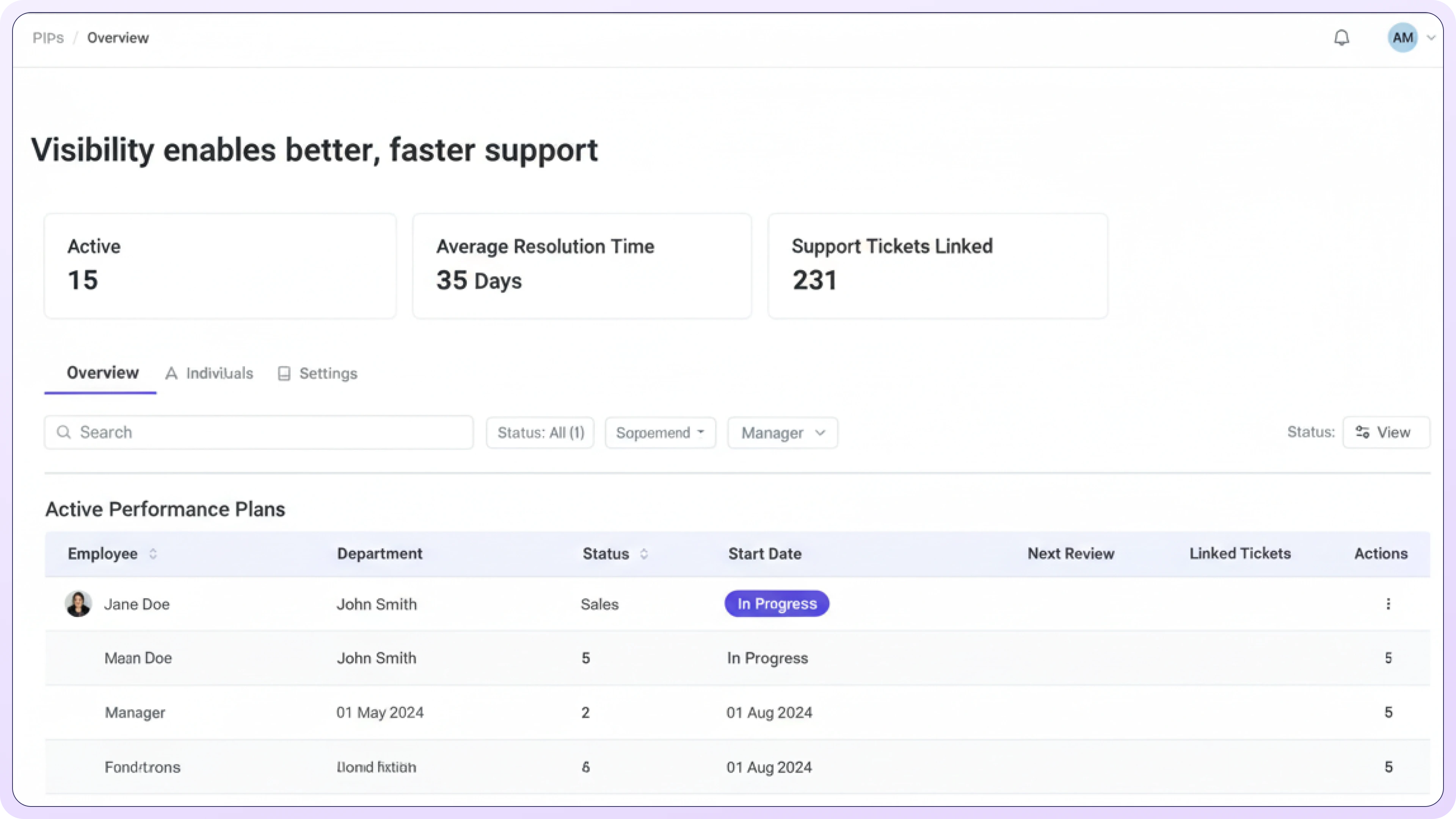
Visibility enables better, faster support
Progress is monitored continuously, not reactively. Managers can identify when additional coaching or resources are needed, before setbacks compound.
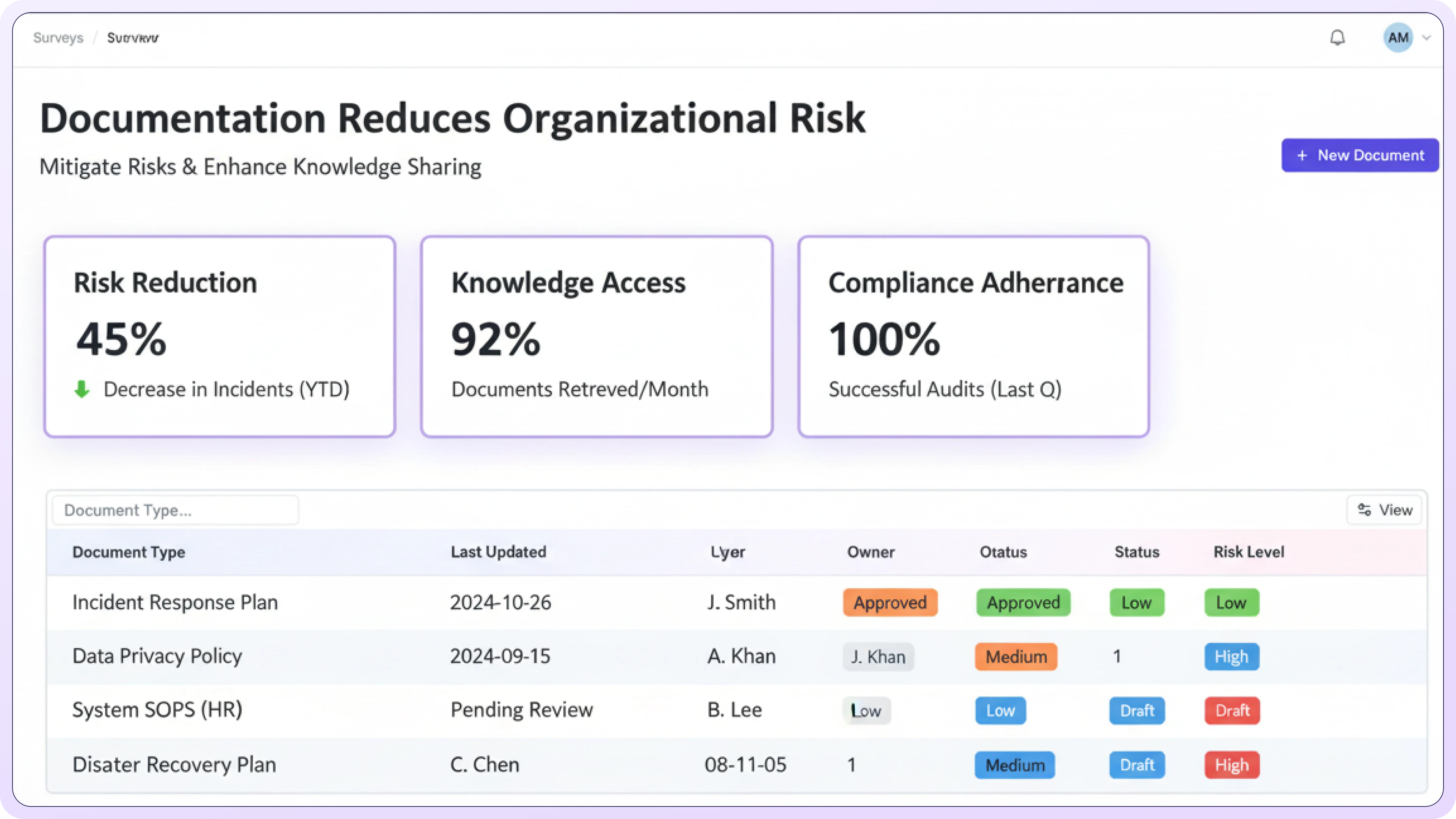
Documentation reduces organizational risk
Consistent documentation can support clearer HR review and factual conversations, but it does not eliminate employment-law or organizational risk.
Keep Development Moving Forward
Development shouldn’t be a checkbox exercise. We provide the visibility for employees to stay accountable and managers to coach effectively.

Traditional PIPs
- Ad hoc processes
- Manager-dependent
- Emotion-driven
- Hard to defend
- Seen as punitive

Connected PIP Context
- Standardized approach
- Organization-wide consistency
- Evidence-based
- Transparent and documented
- Designed for improvement
Measurable Outcomes Across the Organization
.svg)
Designed for Organizational Complexity
Supports multi-team, multi-region organizations with consistent structure, flexibility, and control.
Why Traditional Reviews Fall Short
Reviews happen once a year and go nowhere.
Learning is random and disconnected from performance.
Compensation decisions feel unclear or unfair.
How Connected HCM Context Supports Follow-Through
Reviews kick off learning journeys and promotion paths.
Learning follows performance insights within daily work.
Compensation shows growth and impactful behaviors.
Secure Access
Role-based permissions ensure data is only seen by those who need it.
Centralized Records
One source of truth for all performance documentation and history.
.svg)
Consistent Application
Standardized templates that scale across global teams and time zones.

Audit Ready
Documented history and access controls can support internal HR governance and review requirements.
A Complete Performance Management System
Eight connected modules designed to work together, so performance conversations are consistent, fair, and focused on growth.
- Managers often don’t know how to give useful feedback, and employees often don’t know how to take criticism and grow from it.
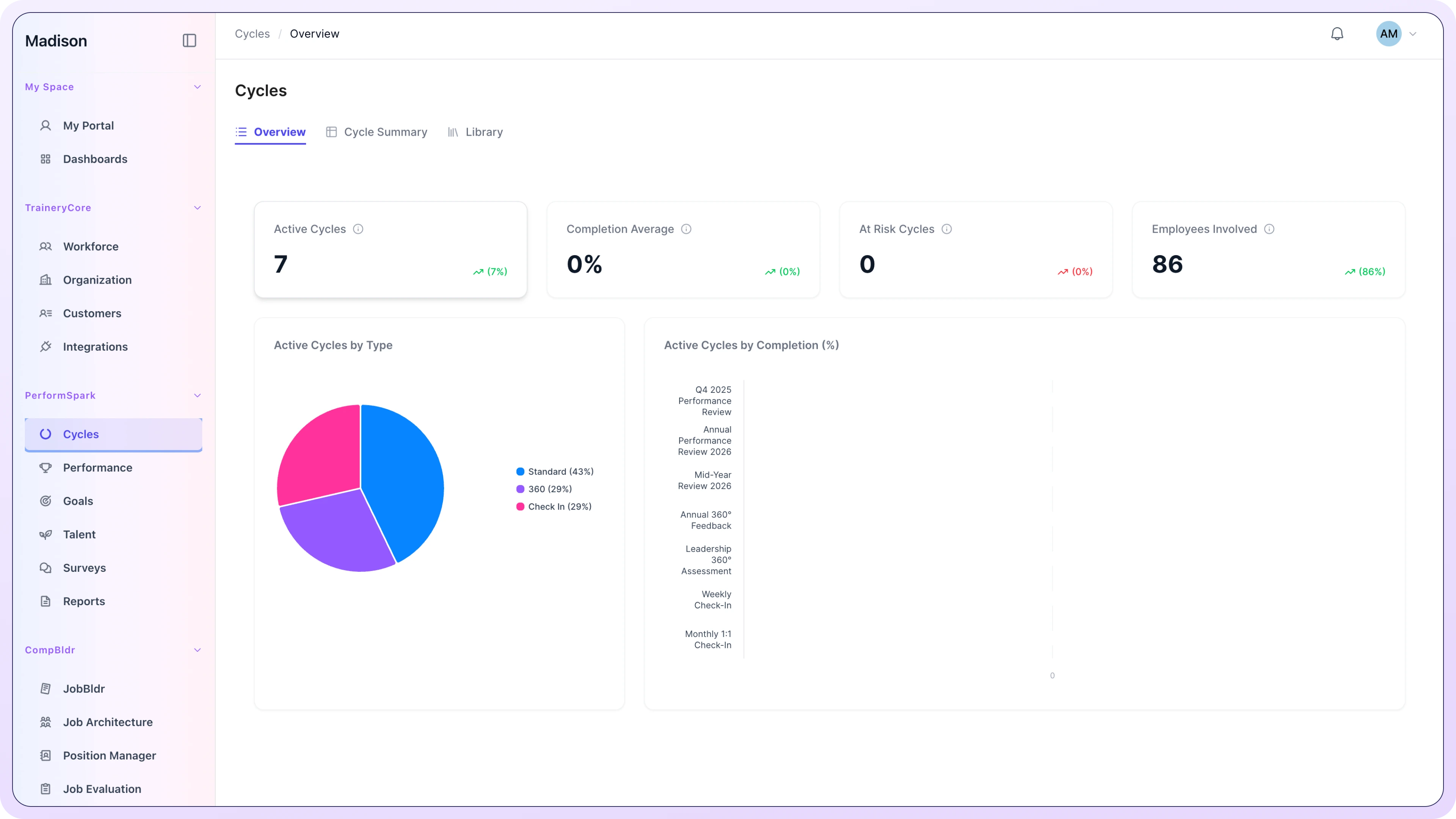
- PerformSpark gives you multiple review style and cycle options, goal management, and planning tools to help your employees grow.
- Managers can move employees from ‘recommendation to doing’ by accessing subscribed learning solutions within the portal.
- Managers often don’t know how to give useful feedback, and employees often don’t know how to take criticism and grow from it.
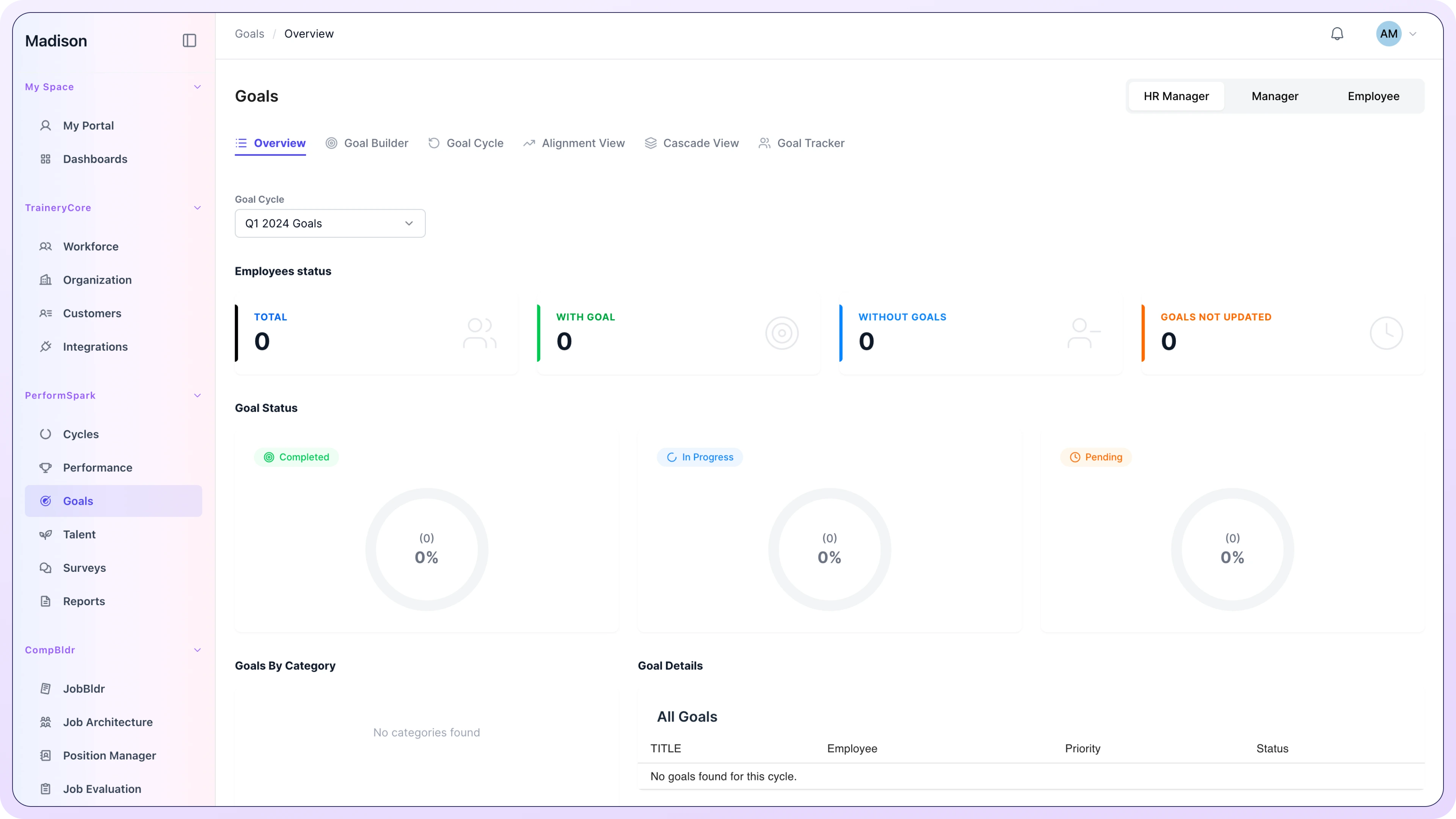
- PerformSpark gives you multiple review style and cycle options, goal management, and planning tools to help your employees grow.
- Managers can move employees from ‘recommendation to doing’ by accessing subscribed learning solutions within the portal.
- Managers often don’t know how to give useful feedback, and employees often don’t know how to take criticism and grow from it.
- PerformSpark gives you multiple review style and cycle options, goal management, and planning tools to help your employees grow.
- Managers can move employees from ‘recommendation to doing’ by accessing subscribed learning solutions within the portal.
- Managers often don’t know how to give useful feedback, and employees often don’t know how to take criticism and grow from it.
- PerformSpark gives you multiple review style and cycle options, goal management, and planning tools to help your employees grow.
- Managers can move employees from ‘recommendation to doing’ by accessing subscribed learning solutions within the portal.
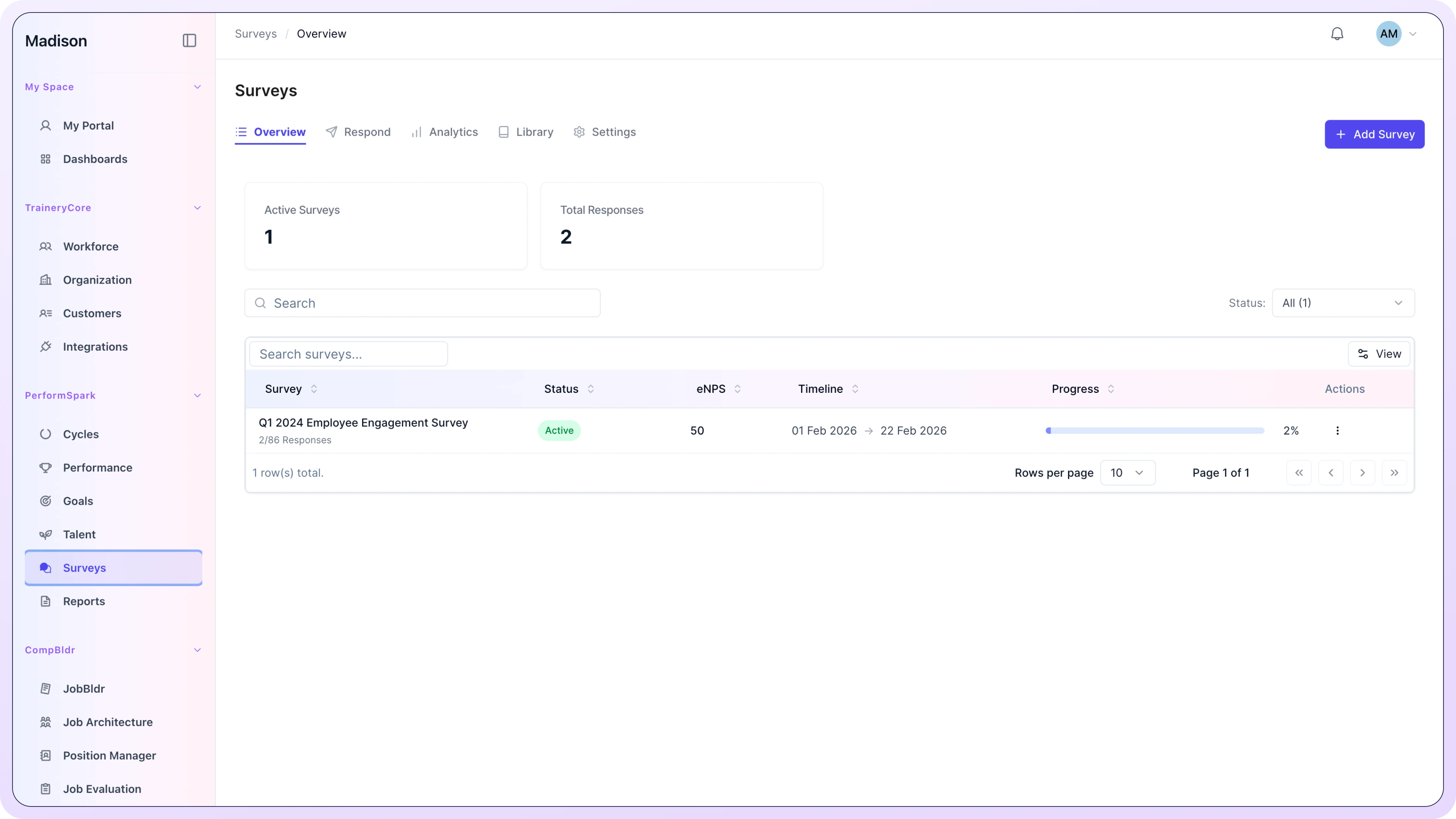
- Managers often don’t know how to give useful feedback, and employees often don’t know how to take criticism and grow from it.
- PerformSpark gives you multiple review style and cycle options, goal management, and planning tools to help your employees grow.
- Managers can move employees from ‘recommendation to doing’ by accessing subscribed learning solutions within the portal.
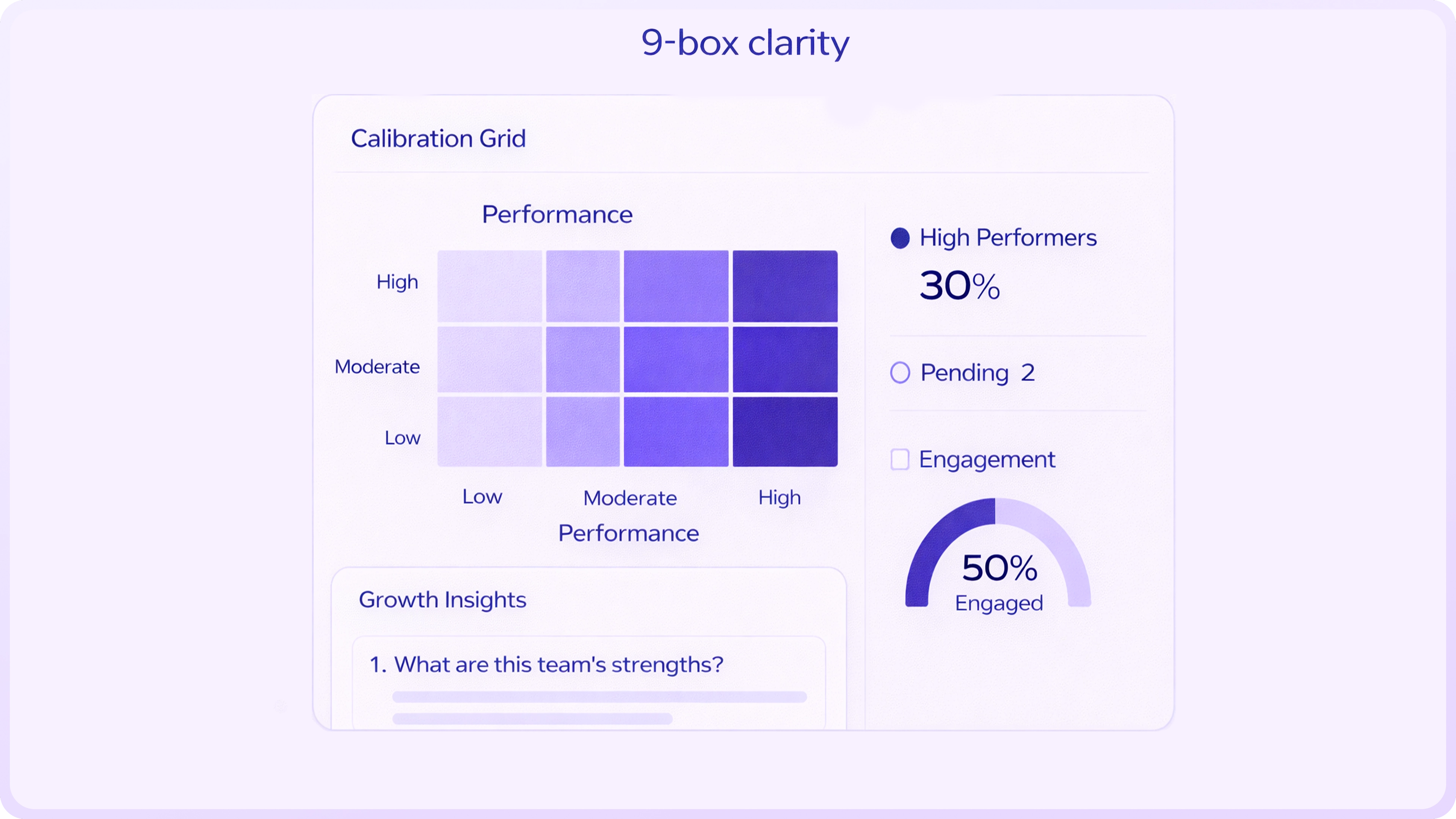
- Managers often don’t know how to give useful feedback, and employees often don’t know how to take criticism and grow from it.
- PerformSpark gives you multiple review style and cycle options, goal management, and planning tools to help your employees grow.
- Managers can move employees from ‘recommendation to doing’ by accessing subscribed learning solutions within the portal.
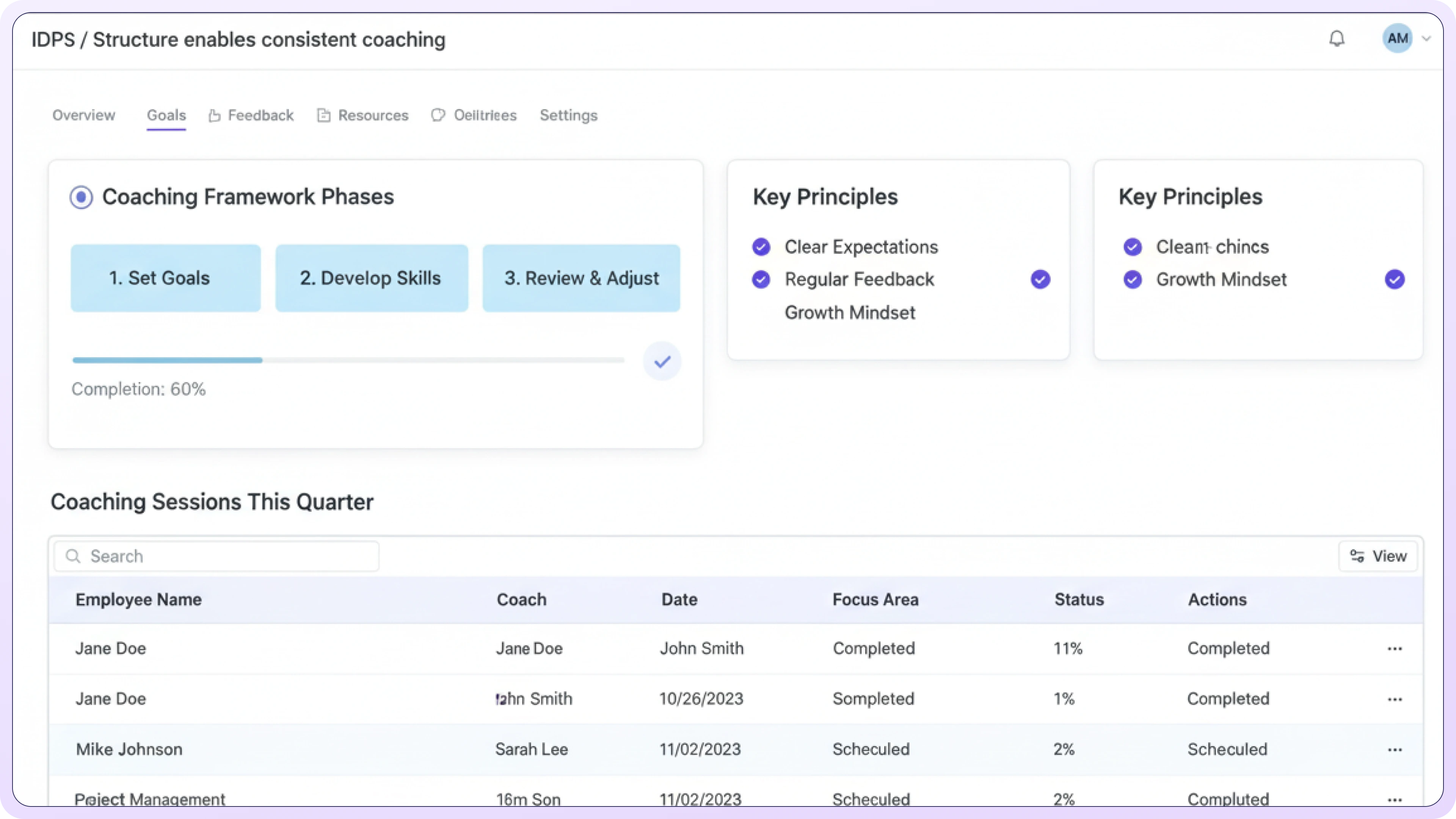
- Managers often don’t know how to give useful feedback, and employees often don’t know how to take criticism and grow from it.
- PerformSpark gives you multiple review style and cycle options, goal management, and planning tools to help your employees grow.
- Managers can move employees from ‘recommendation to doing’ by accessing subscribed learning solutions within the portal.
- Managers often don’t know how to give useful feedback, and employees often don’t know how to take criticism and grow from it.
- PerformSpark gives you multiple review style and cycle options, goal management, and planning tools to help your employees grow.
- Managers can move employees from ‘recommendation to doing’ by accessing subscribed learning solutions within the portal.
Your questions answered
Ready to Manage Performance Fairly and Effectively?
Create structured, transparent PIPs that guide improvement and protect your organization.
What is a Performance Improvement Plan (PIP)?
When should HR issue a Performance Improvement Plan?
What should HR consider including in a PIP?
How long should a PIP last?
What is the difference between a PIP and a verbal warning?
Can a PIP be used as a positive growth tool, not just a termination path?
What happens if an employee fails to meet PIP targets?
How does TraineryHCM track PIP progress?

See PIP Context Across the Employee Lifecycle
See how documented performance-improvement context connects with employee data, coaching, development, and reporting in TraineryHCM, with PerformSpark for specialist PIP workflows.
.svg)

.svg)
.svg)

