
.svg)
1. Prepare the Review Group
Define which employees, managers, departments, and rating scales are included. Bring submitted ratings from the relevant performance review cycle into a controlled review group.

Keep calibrated ratings and decision context connected with employee records, development, learning, reporting, and compensation. PerformSpark handles the specialist calibration workflow.
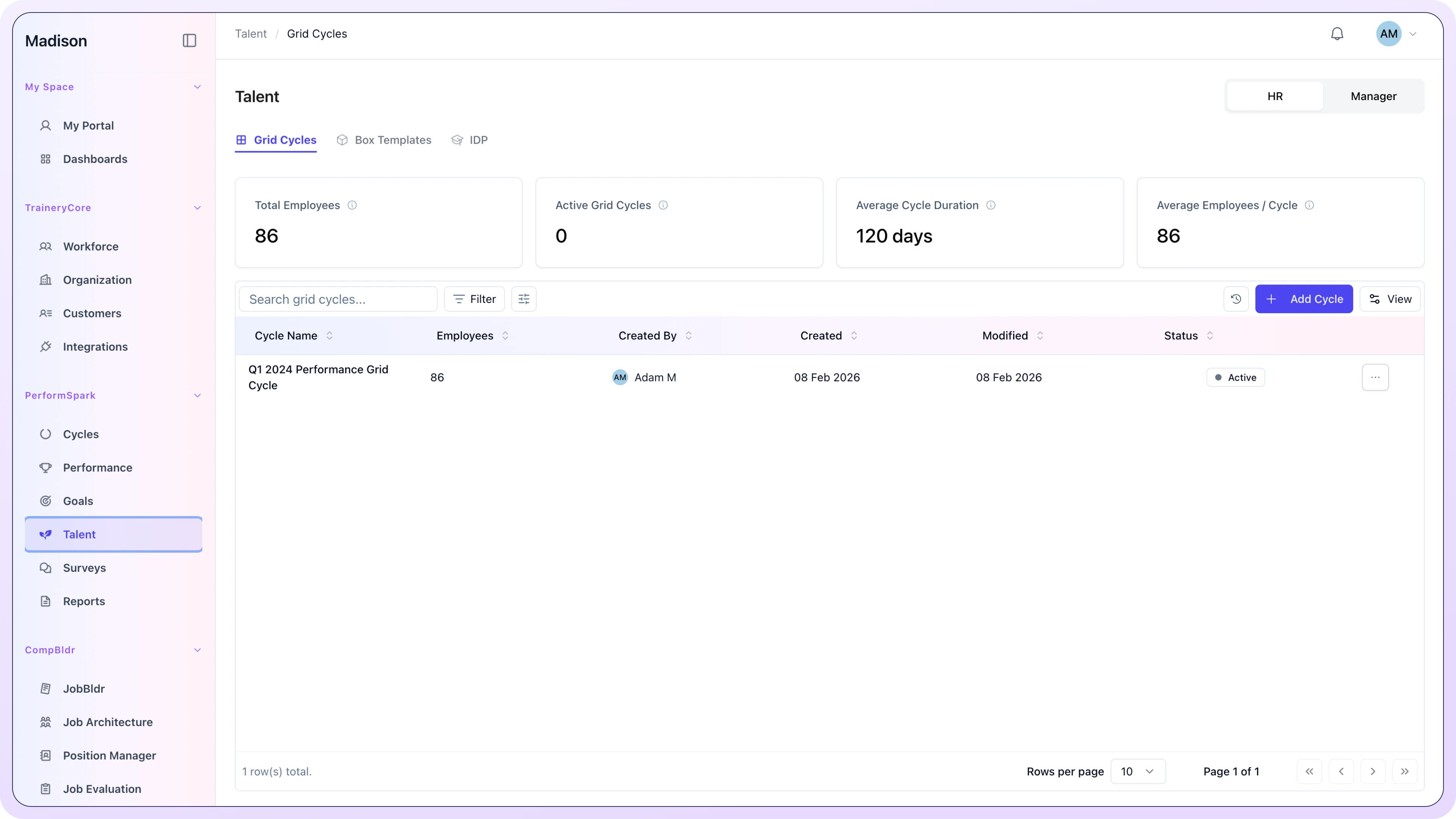
Managers may apply rating scales differently. Calibration gives HR and leaders a consistent process for reviewing evidence, discussing outliers, and aligning standards before results are finalized.
"This experience brings structure and transparency to calibration, so performance decisions are fair, consistent, and defensible."
.svg)
.svg)
.svg)
.svg)
Use finalized calibration context across the employee lifecycle while detailed rating comparison, evidence review, adjustments, and approvals remain specialist performance workflows in PerformSpark.
.svg)

.svg)
.svg)
.svg)
Calibration software supports consistent review standards by making evidence, rating distributions, manager decisions, and approved adjustments visible in one process.
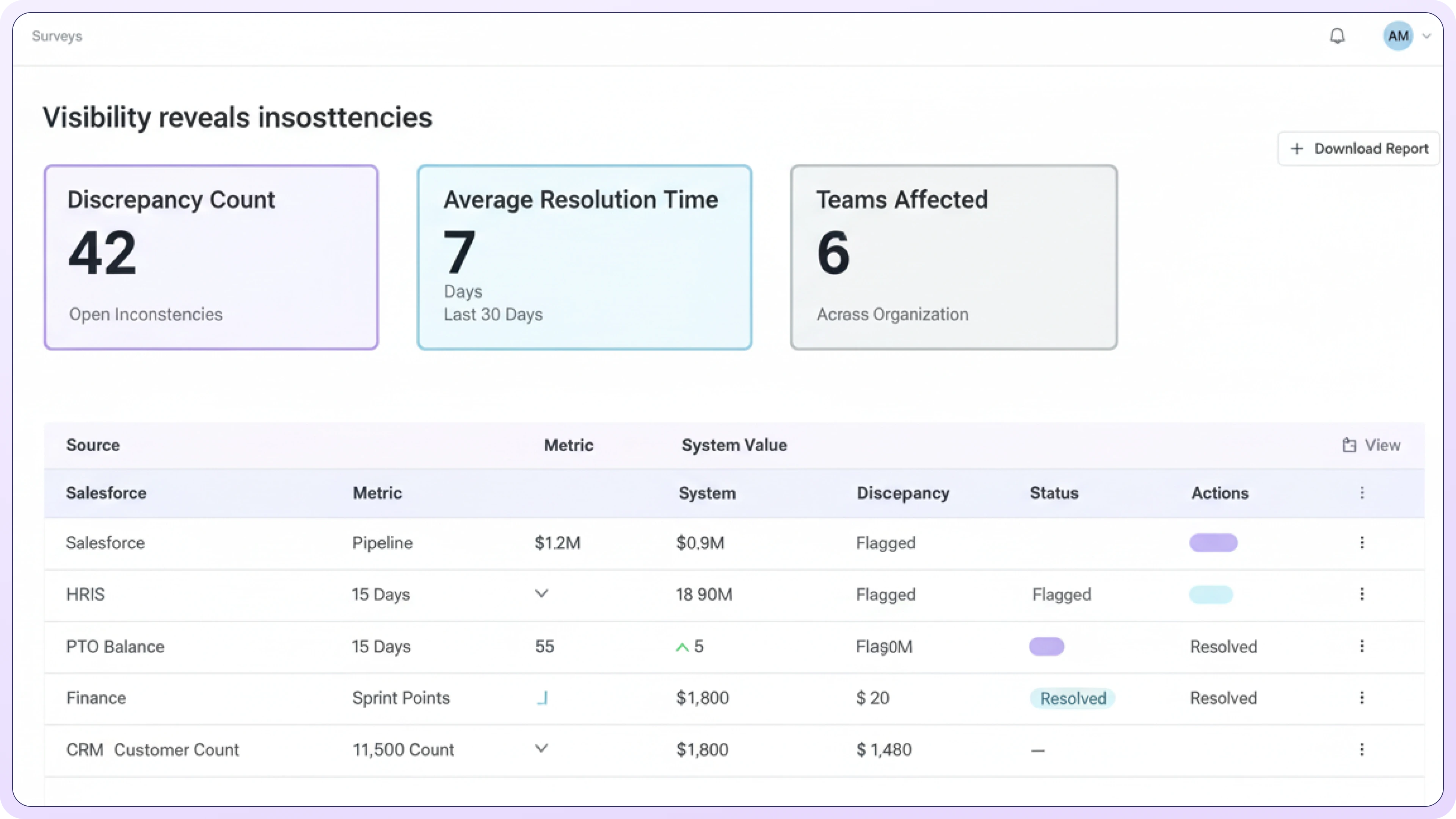
Seeing performance side by side highlights rating gaps and alignment issues instantly. Leaders can spot where standards differ and correct them early.
.svg)
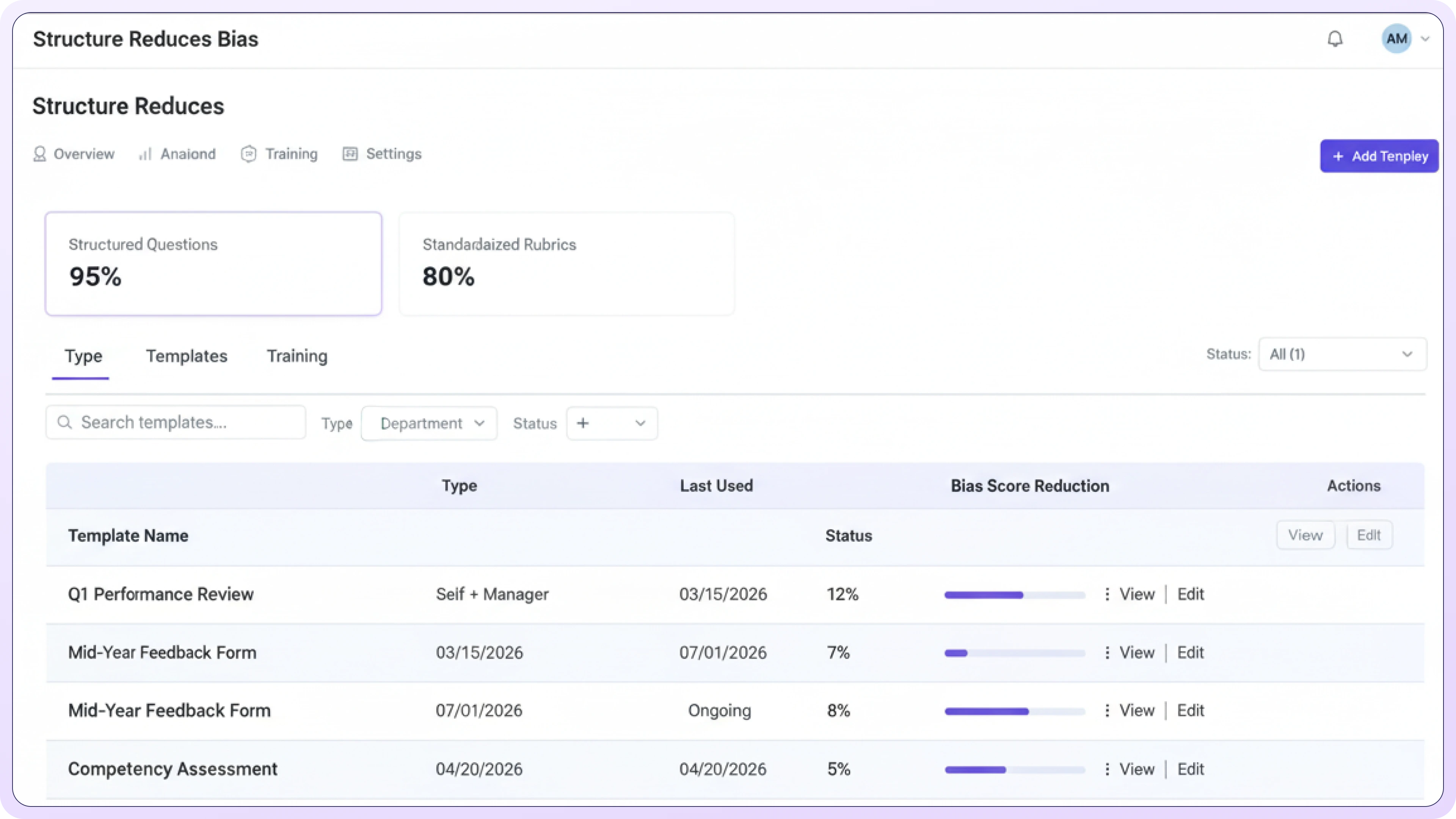
Shared criteria and evidence-based discussion can surface unsupported ratings and inconsistent manager standards. Calibration supports better judgment, but it does not automatically remove bias.
Visual dashboards replace fragmented data and lengthy explanations. Leadership discussions become faster, more focused, and more productive.
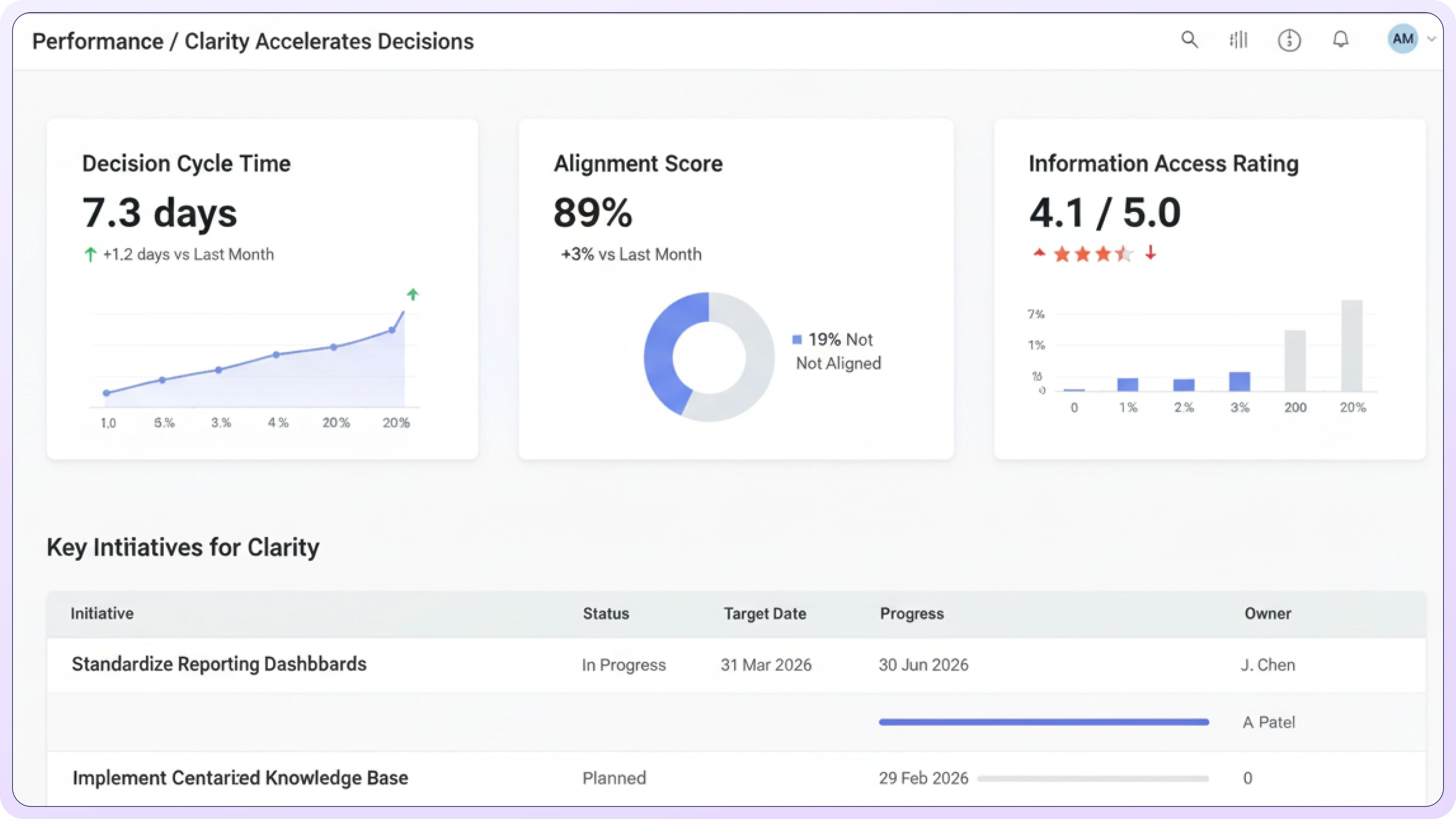
Clearer context can help leaders identify where follow-up, development, or further review may be appropriate; it does not determine employment or talent outcomes automatically.
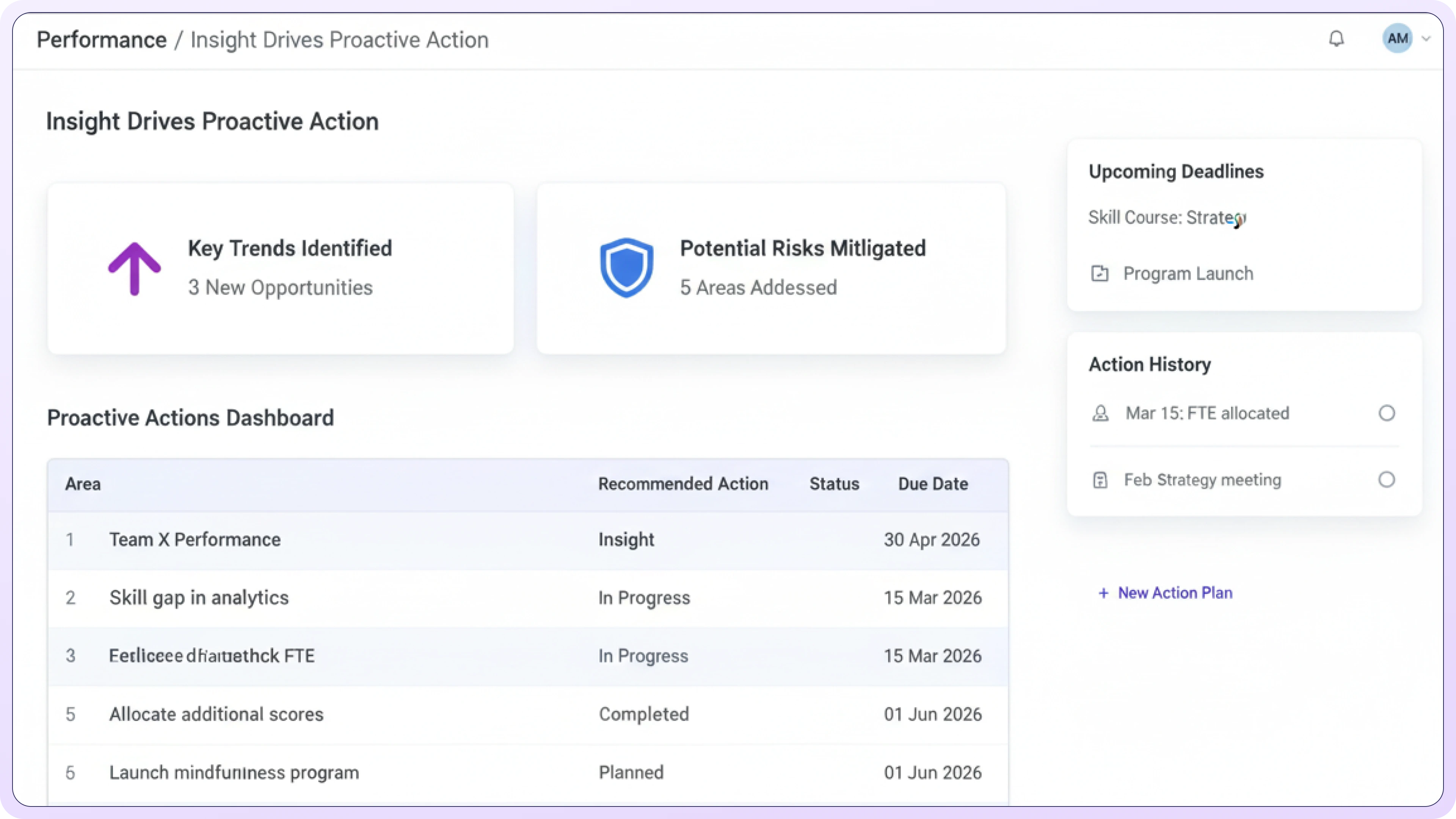
Centralize the ratings, evidence, discussion context, adjustments, approvals, and final outcomes needed for a repeatable calibration process.
.svg)


.svg)
Apply shared rating standards while controlling access, preserving decision records, and adapting the process to different review groups and organizational structures.
Role-based access helps protect sensitive calibration data.
High-level views for C-suite alignment.
.svg)
Shared standards across global teams.
Audit trails for every rating decision.
Performance Calibration Workflow
TraineryHCM provides the connected HCM context around calibration: employee records, development, learning, reporting, and compensation. For detailed calibration meetings, rating comparison, evidence review, adjustments, and approvals, PerformSpark is the specialist performance-management destination.
Define which employees, managers, departments, and rating scales are included. Bring submitted ratings from the relevant performance review cycle into a controlled review group.
Review rating distributions, manager patterns, goals, competencies, comments, and supporting evidence. Context from goals and OKRs, check-ins and one-on-ones, and 360-degree feedback can support the discussion.
Focus the meeting on ratings that need explanation, not every employee record. Require managers to explain the evidence and standard used while HR facilitates a consistent process.
.svg)
Document proposed changes, the reason for each decision, who approved it, and the final rating. Decision history supports governance and more consistent follow-up.
Approved ratings can inform review conversations, individual development plans, succession discussions, or a separate performance improvement process when appropriate.
Where the organization's process requires it, finalized ratings may support compensation planning. HR should confirm the approved data flow, permissions, and decision rules before implementation.
Calibration should remain part of the performance process rather than becoming an isolated spreadsheet exercise. Review the performance calibration process guide, broader reporting and analytics, compensation management, Core HR and HRIS, and available HR software integrations.
Buyers should also review security and permissions, pricing and packaging, implementation responsibilities, and the evidence required to support rating decisions.
Explore Calibration in PerformSparkEight connected modules designed to work together, so performance conversations are consistent, fair, and focused on growth.
.svg)
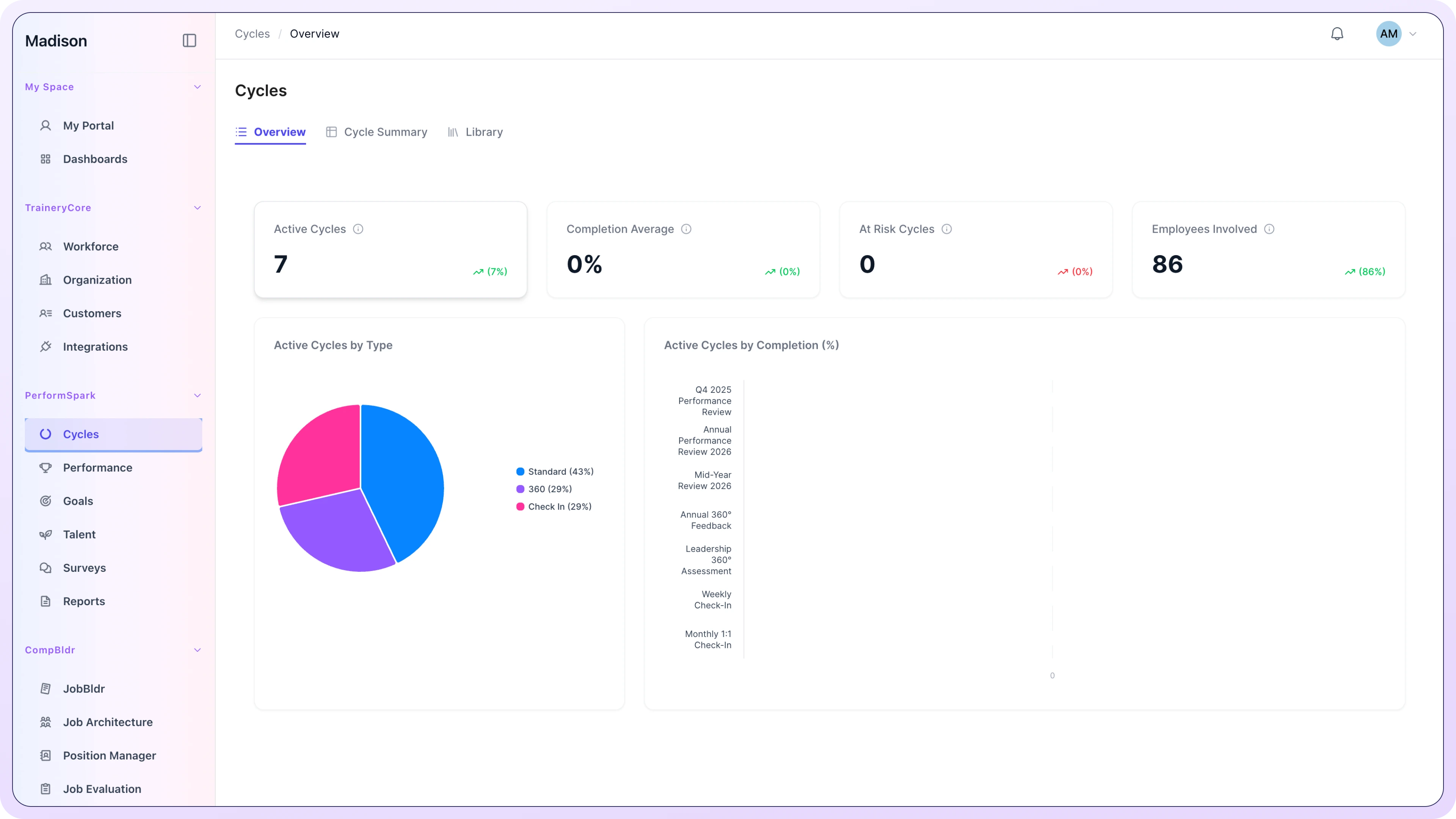
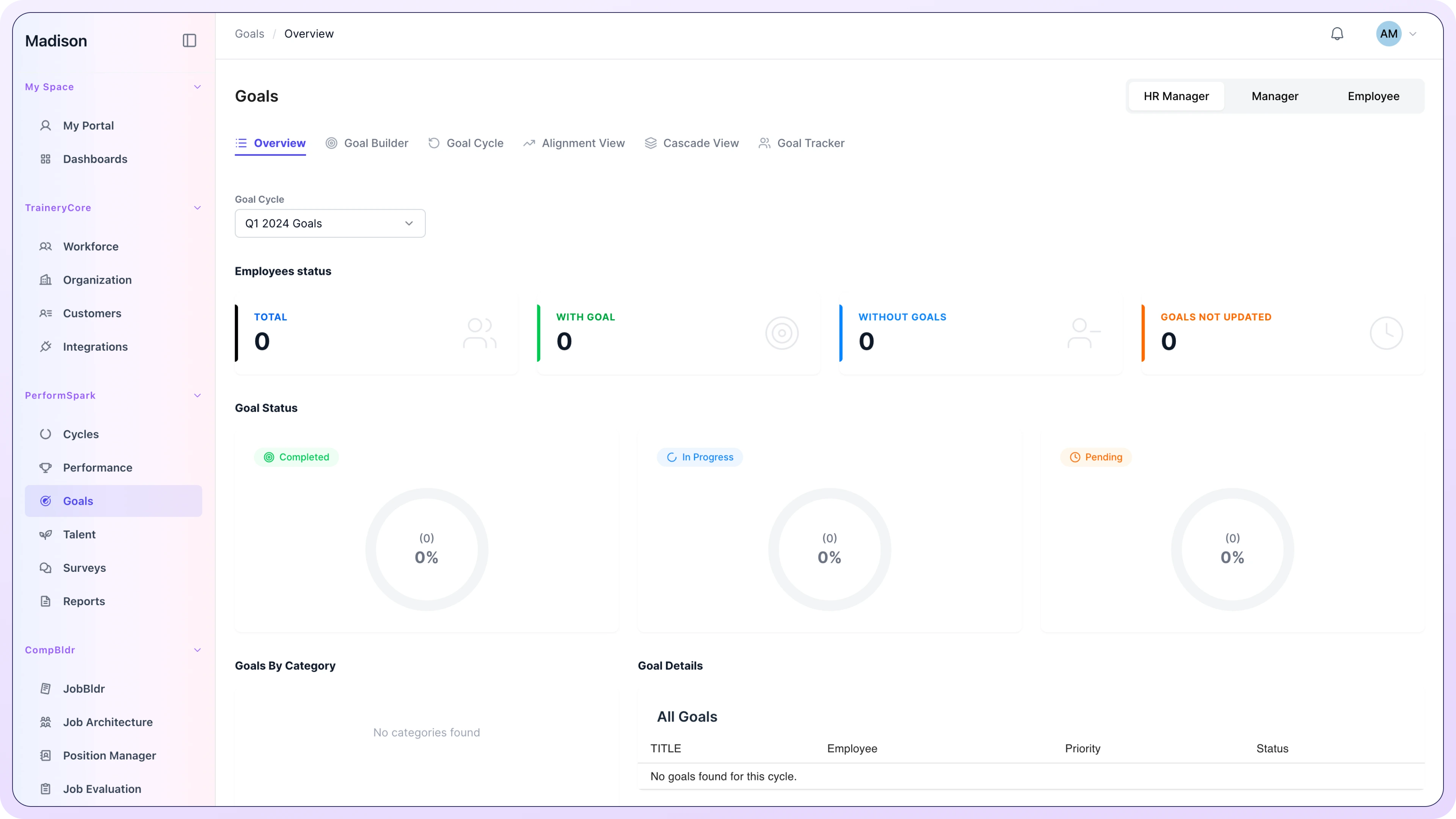
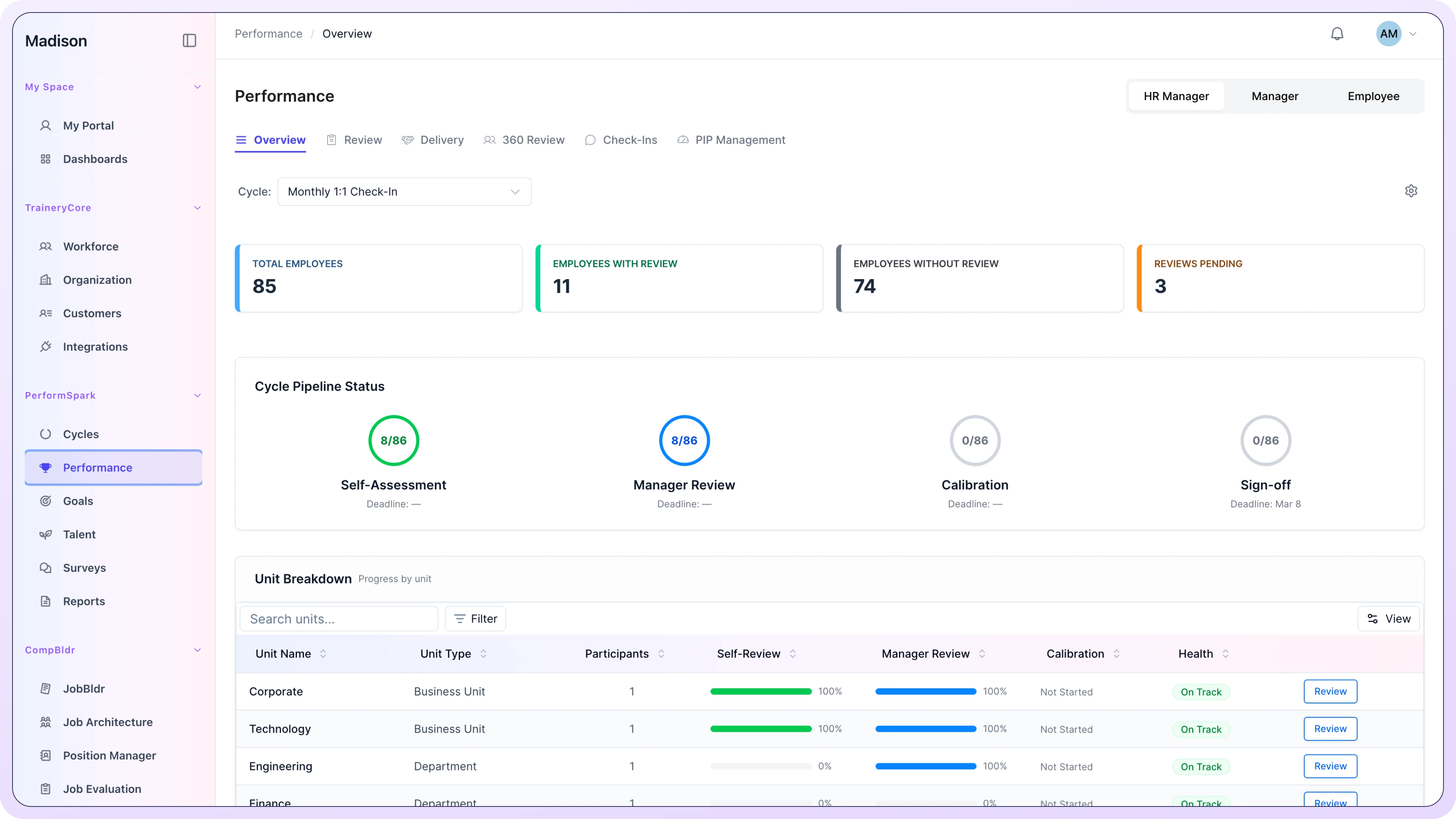
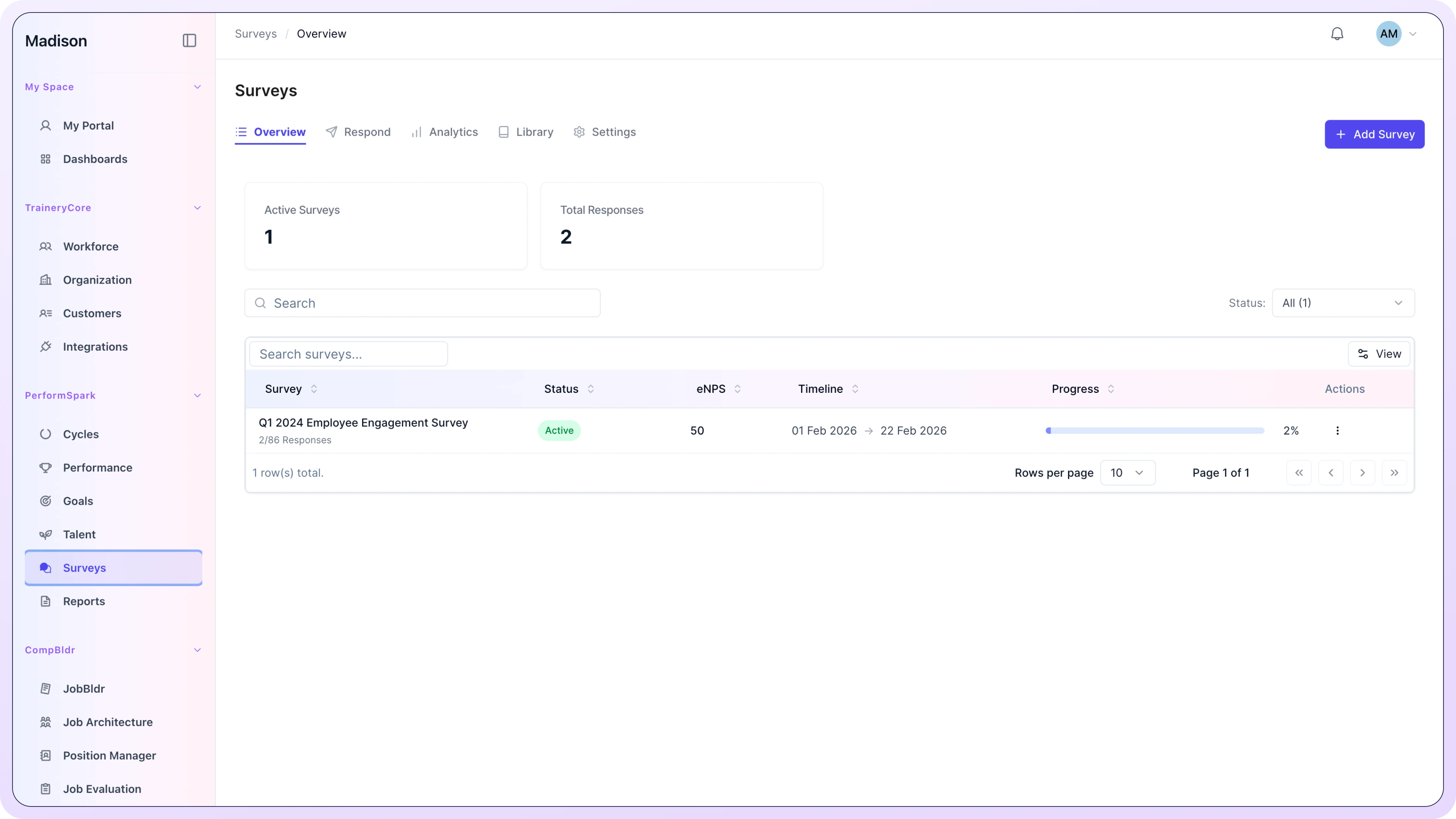
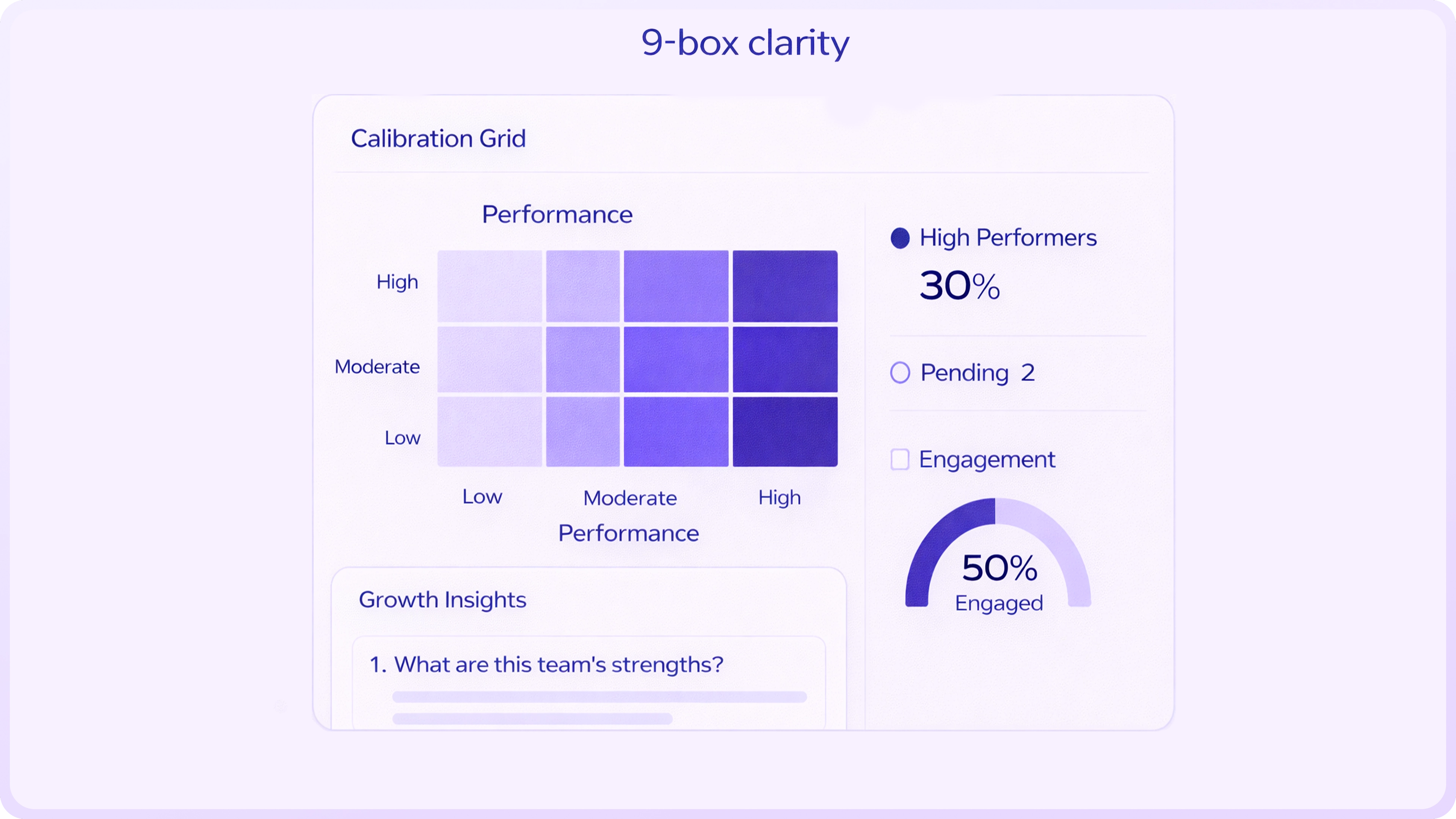
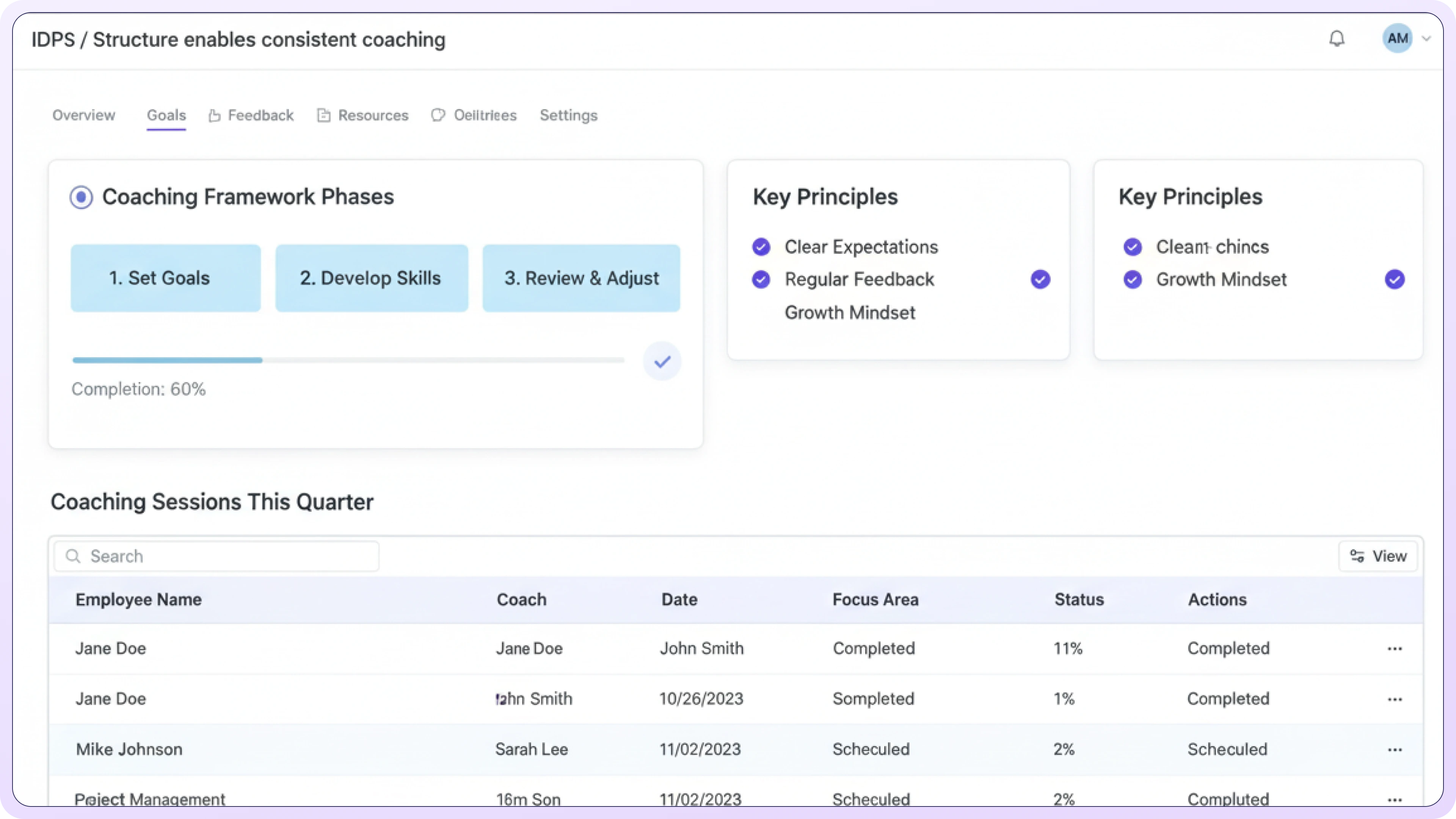
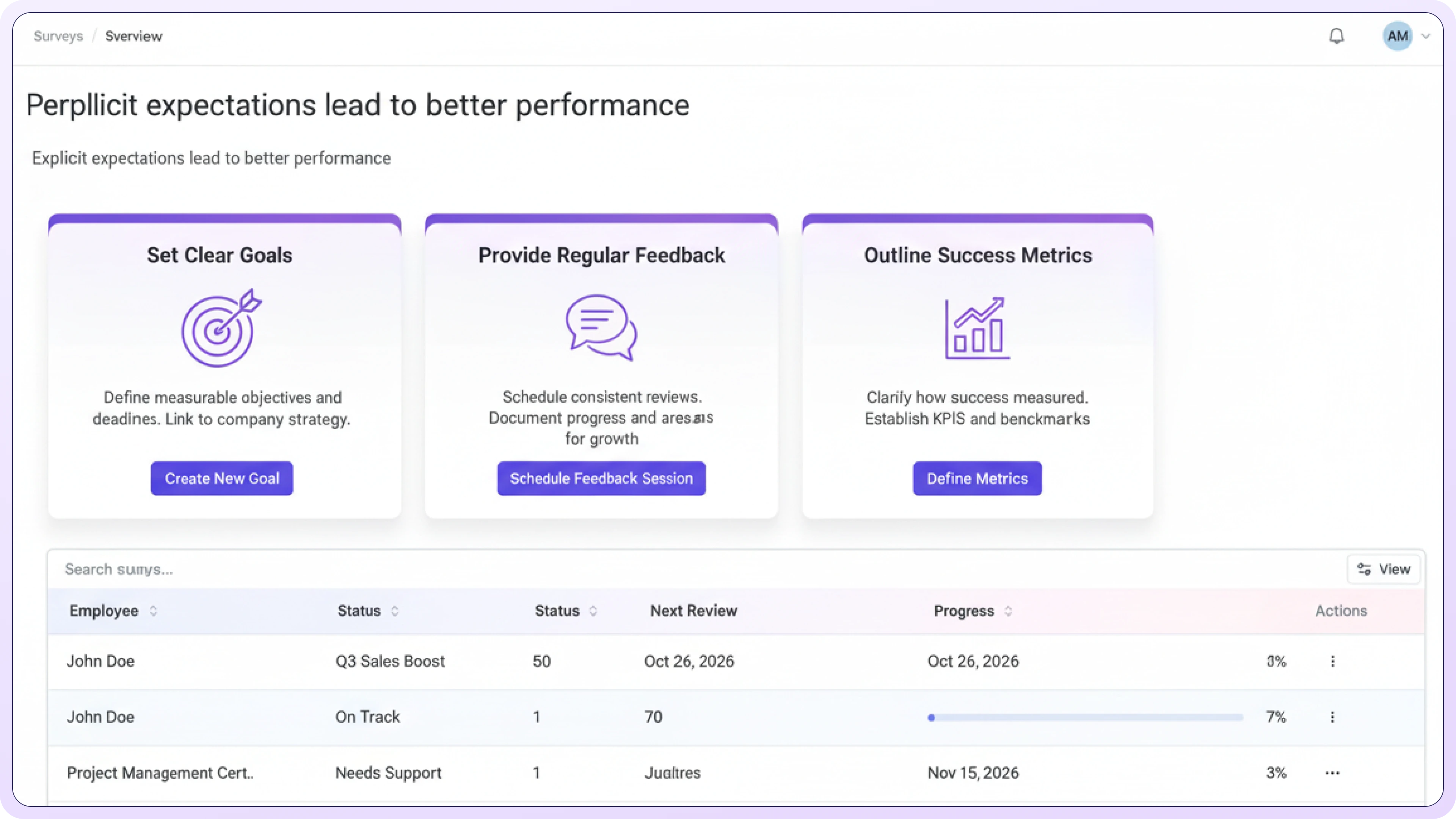
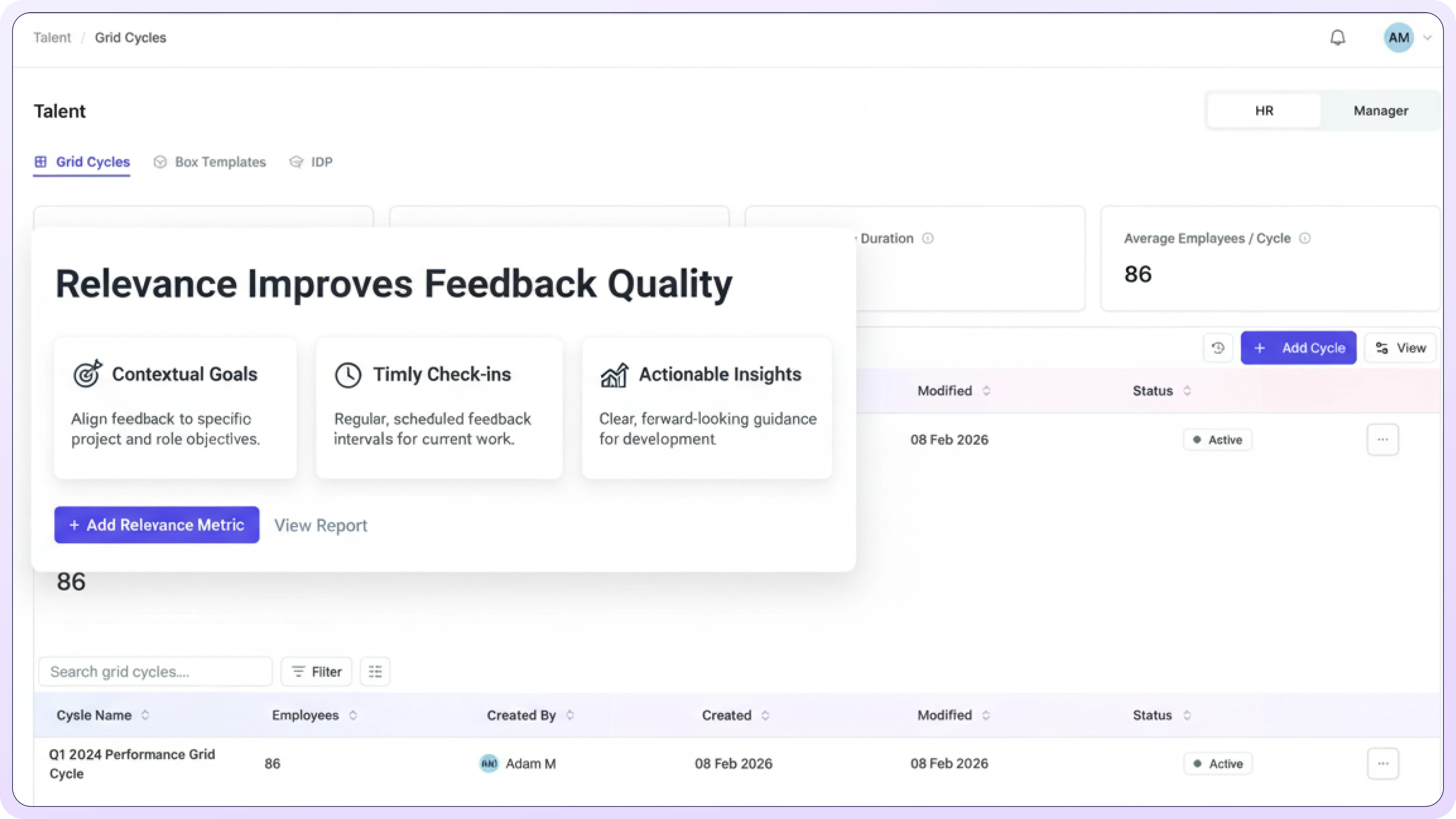
See how finalized calibration context can connect with employee data, development, learning, reporting, and compensation across TraineryHCM. Use PerformSpark for the specialist calibration workflow.
.svg)

.svg)
.svg)

