
Reveal the full picture of performance not just one point of view
Bring together feedback from peers, managers, and teams to uncover strengths, blind spots, and growth opportunities that single-source reviews miss.
Why performance insight needs more than one voice
Performance is shaped by collaboration, influence, and behavior, not just individual output. When feedback comes from a single source, critical context is lost and insight remains incomplete.
What breaks without a full view
.svg)
Balanced insight, without complexity
Powerful tools designed to provide deeper clarity for teams and individuals.
.svg)
Multi-Source Feedback

Role-Relevant Questions
.svg)
Automated Collection
.svg)
Clear, Consolidated Results
.svg)
Growth-Oriented Insight
.svg)
Actionable Pathing
Driving impact through multi-dimensional data
Performance improves when insight reflects how work actually happens. By combining feedback from managers, peers, and collaborators, organizations gain a more complete, actionable view of impact.
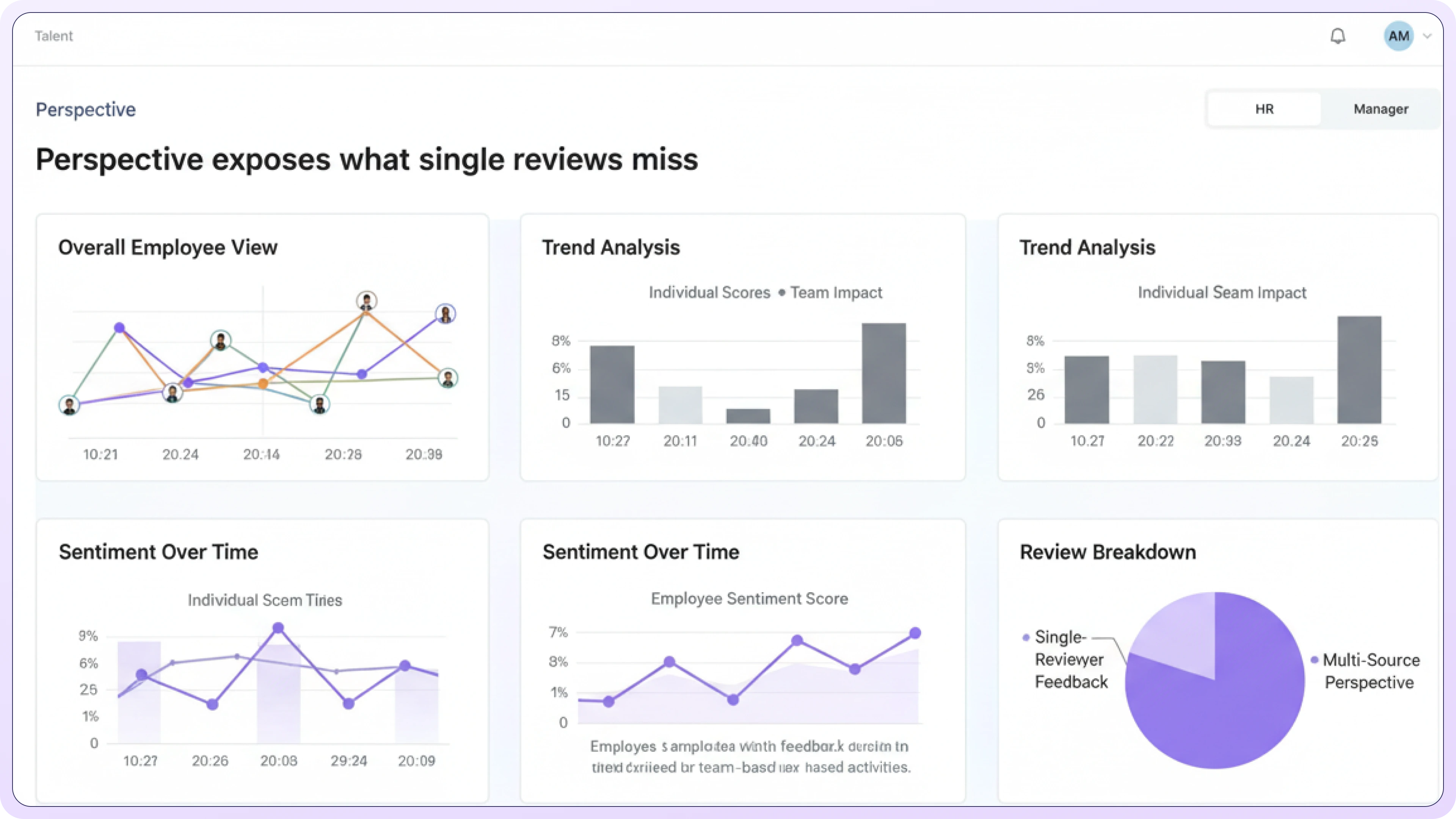
Perspective exposes what single reviews miss
Different viewpoints reveal how performance shows up across the organization. Strengths become clearer. Gaps surface earlier.
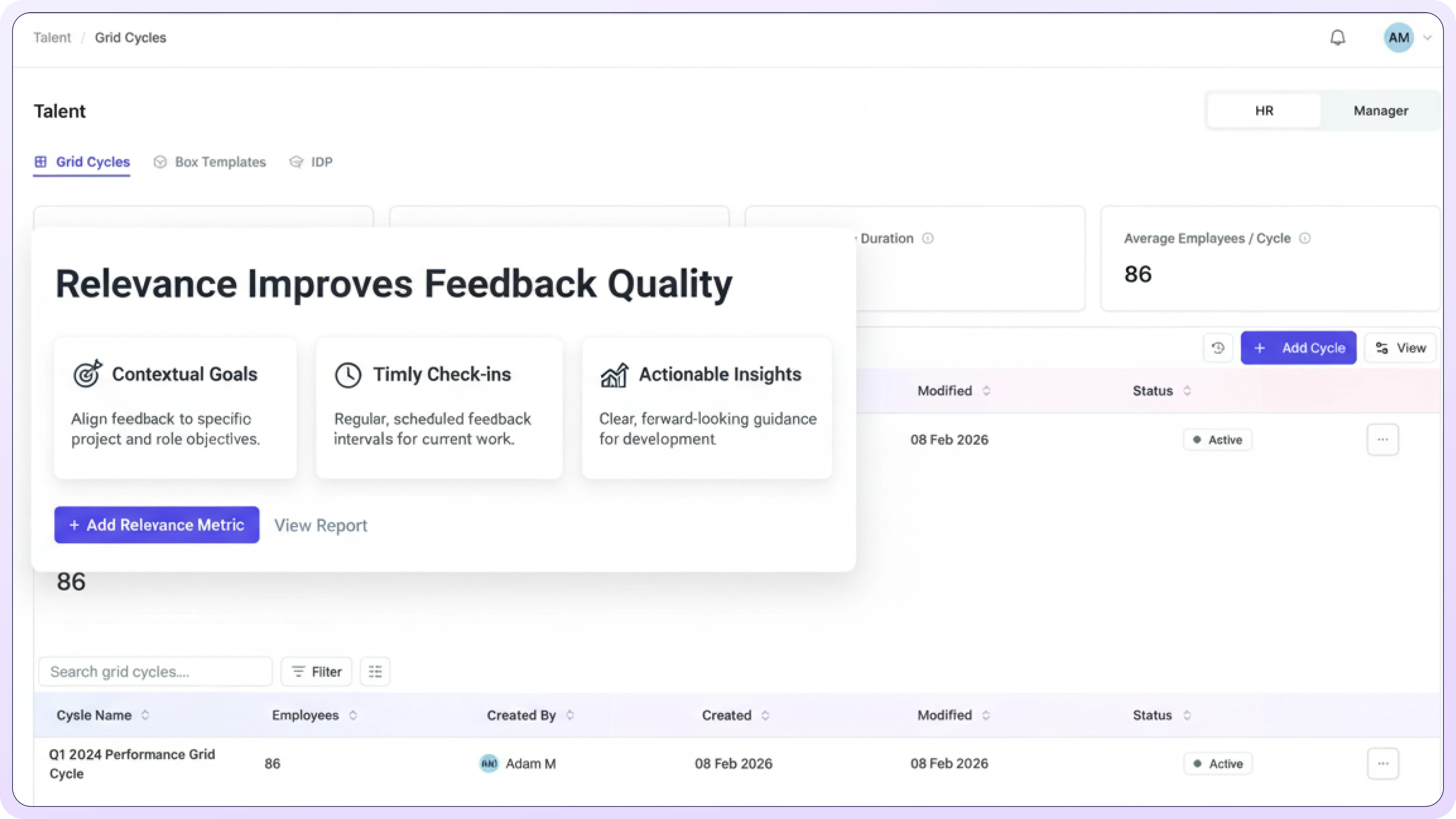
Relevance improves feedback quality
When questions reflect real responsibilities, feedback becomes more thoughtful and actionable. Employees receive guidance that actually applies to their work.
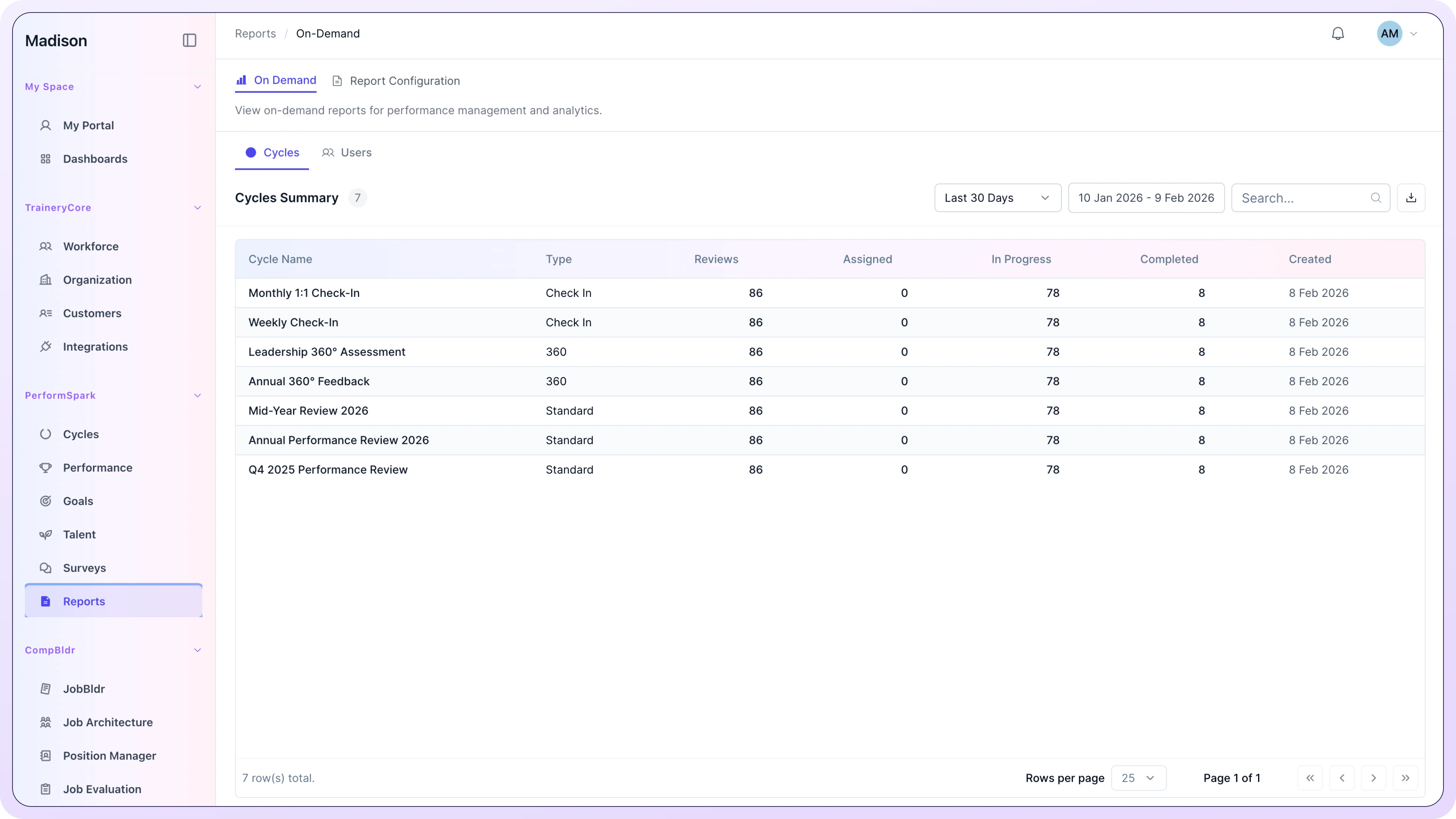
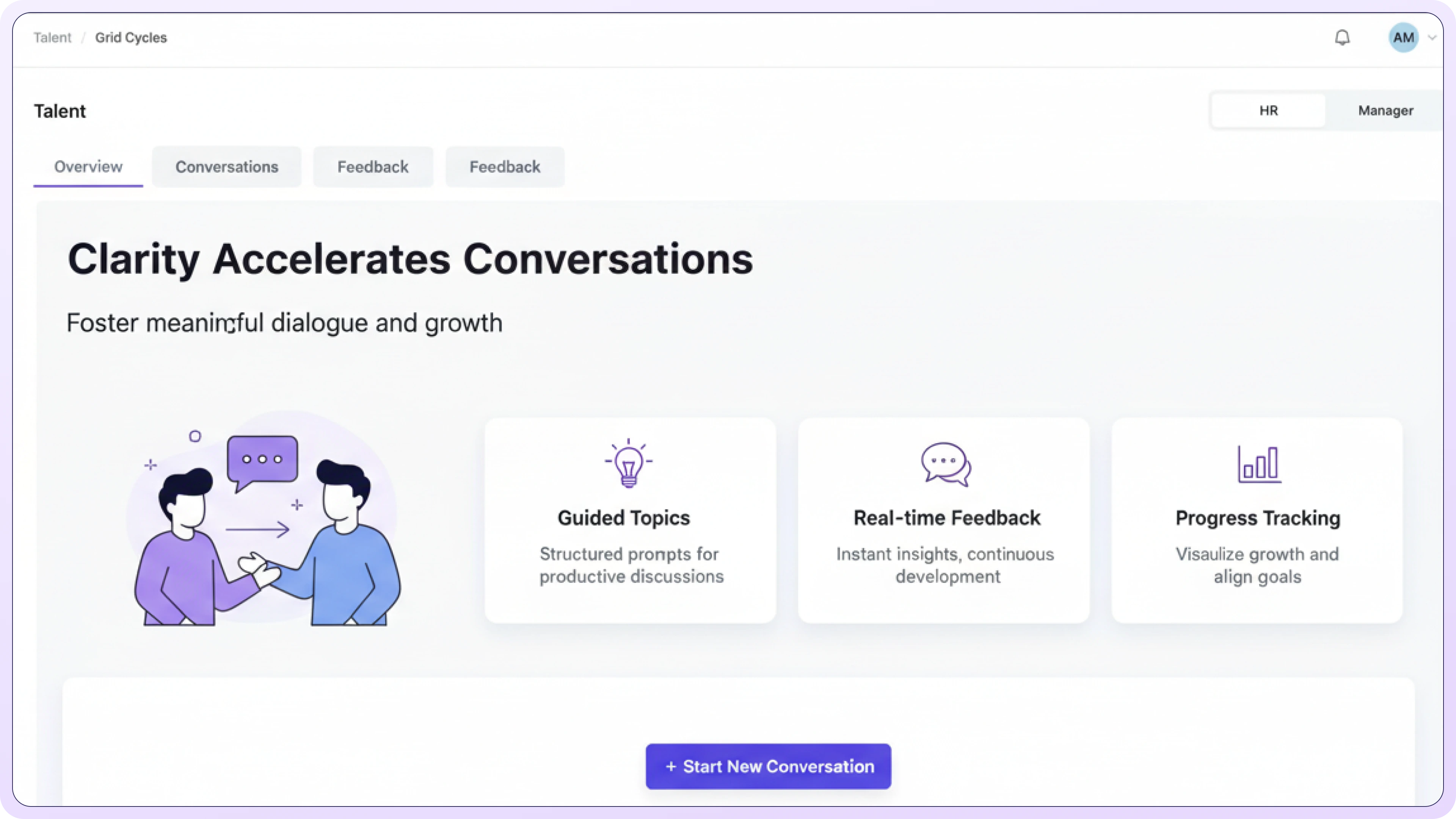
Clarity accelerates conversations
Automated aggregation removes noise and confusion. Managers and employees focus on meaning, not data cleanup.
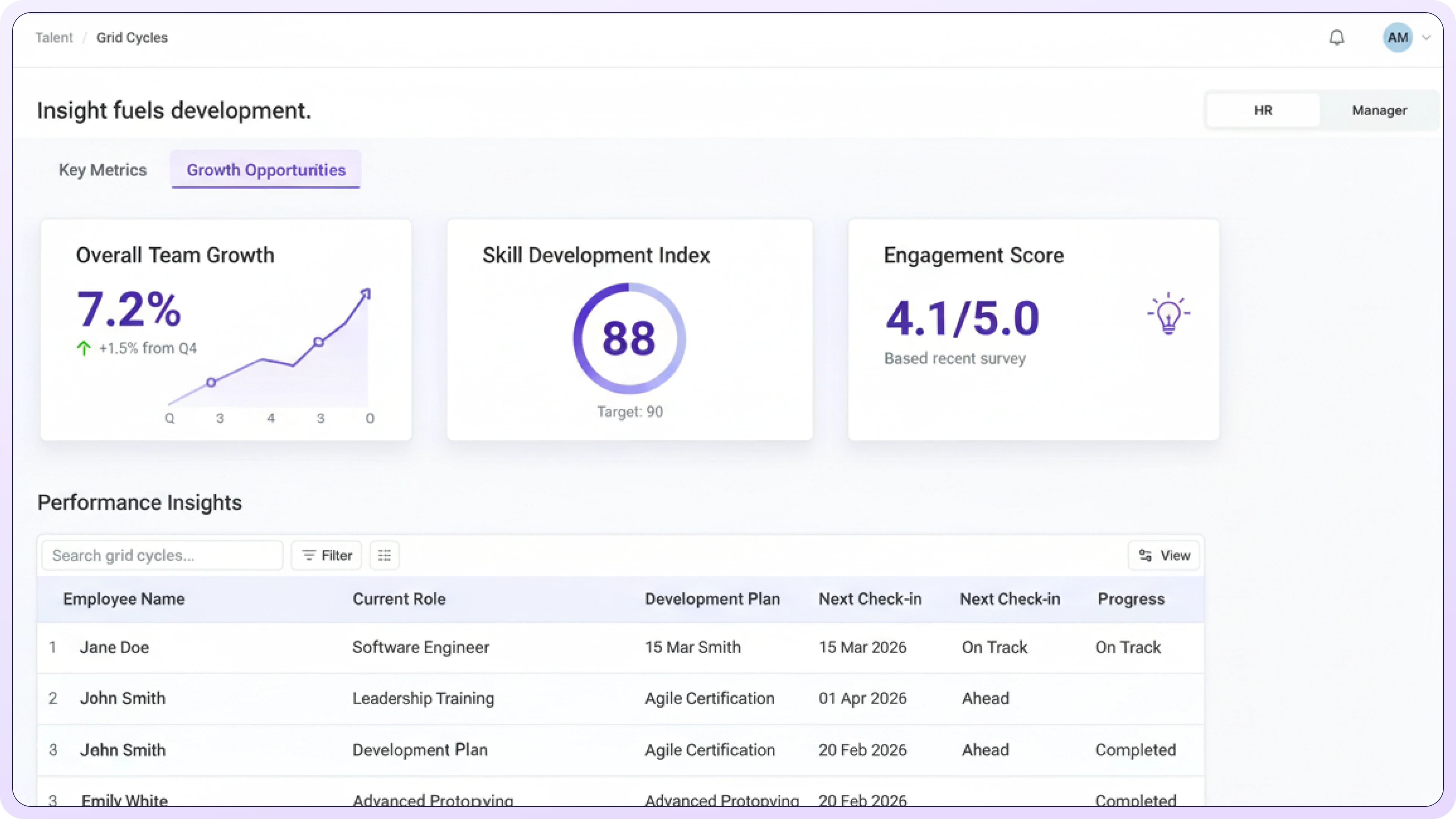
Insight fuels development
Clear summaries turn feedback into direction. Growth conversations become structured, focused, and forward-looking.
Not more feedback, better feedback
Feedback becomes a foundation for development. not confusion. See why high-performing teams
.svg)
Frequency
Relevance
User Experience
Complexity
Action
Results Across the Organization
More credible and trusted feedback
Clearer insight into collaboration and influence

Earlier identification of development needs
.svg)
Stronger coaching conversations
Built for scale, trust, and adoption
Supports multi-team, multi-region organizations with consistent structure, flexibility, and control.
Why Traditional Reviews Fall Short

Reviews happen once a year and go nowhere.
Learning is random and disconnected from performance.
Compensation decisions feel unclear or unfair.
How ReviewCloud Changes the Game

Reviews kick off learning journeys and promotion paths.
Learning follows performance insights within daily work.
Compensation shows growth and impactful behaviors.
Secure Access
Role-based access controls and SOC2 Type II compliance standards.
.svg)
Configurable
Customize without fragmentation. Fits your existing team hierarchy.
.svg)
Global Scale
Consistent experience across global teams and multi-region deployment.
History
Centralized feedback history for long-term development tracking.
A Complete Performance Management System
Eight connected modules designed to work together, so performance conversations are consistent, fair, and focused on growth.
- Managers often don’t know how to give useful feedback, and employees often don’t know how to take criticism and grow from it.
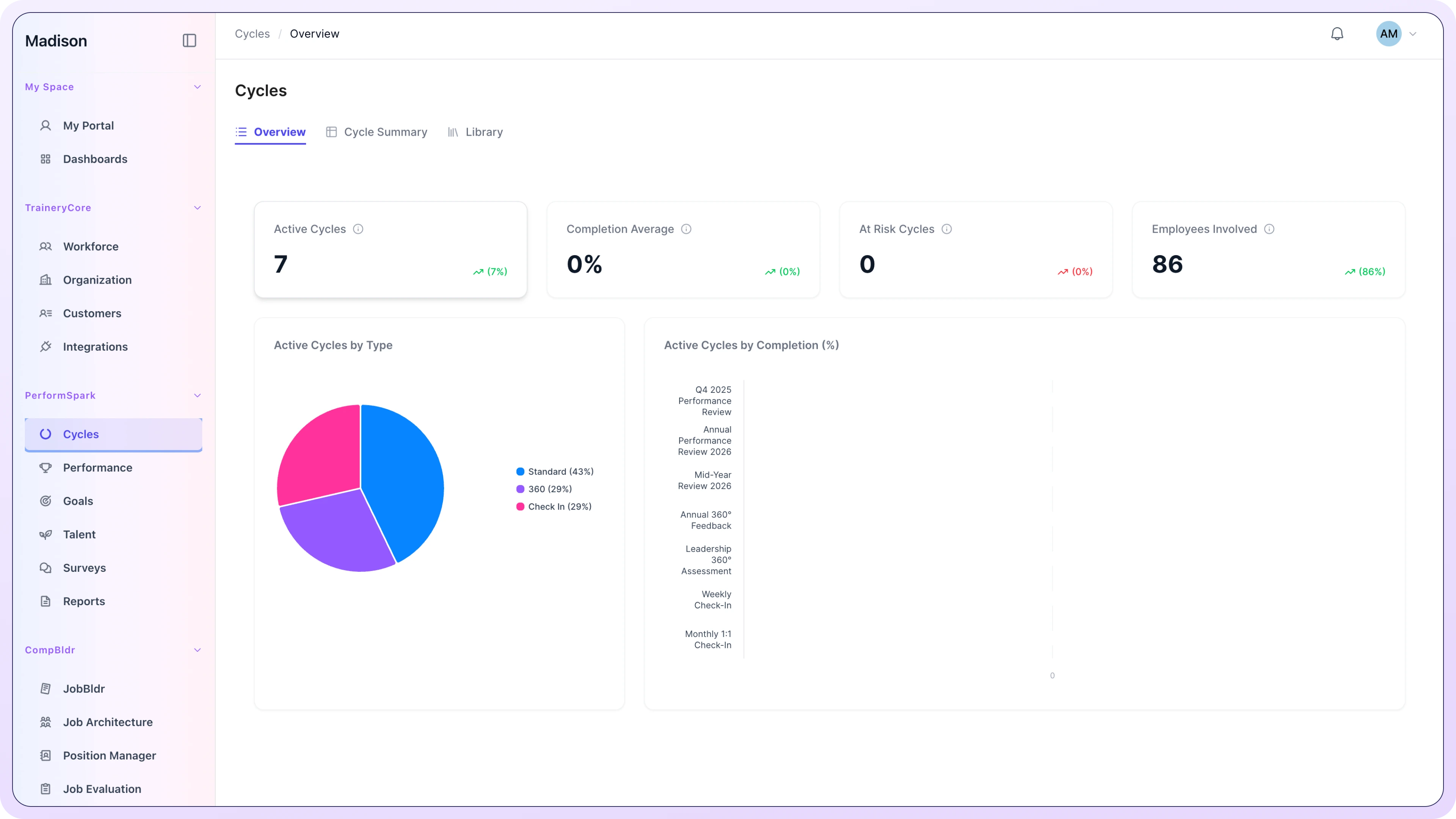
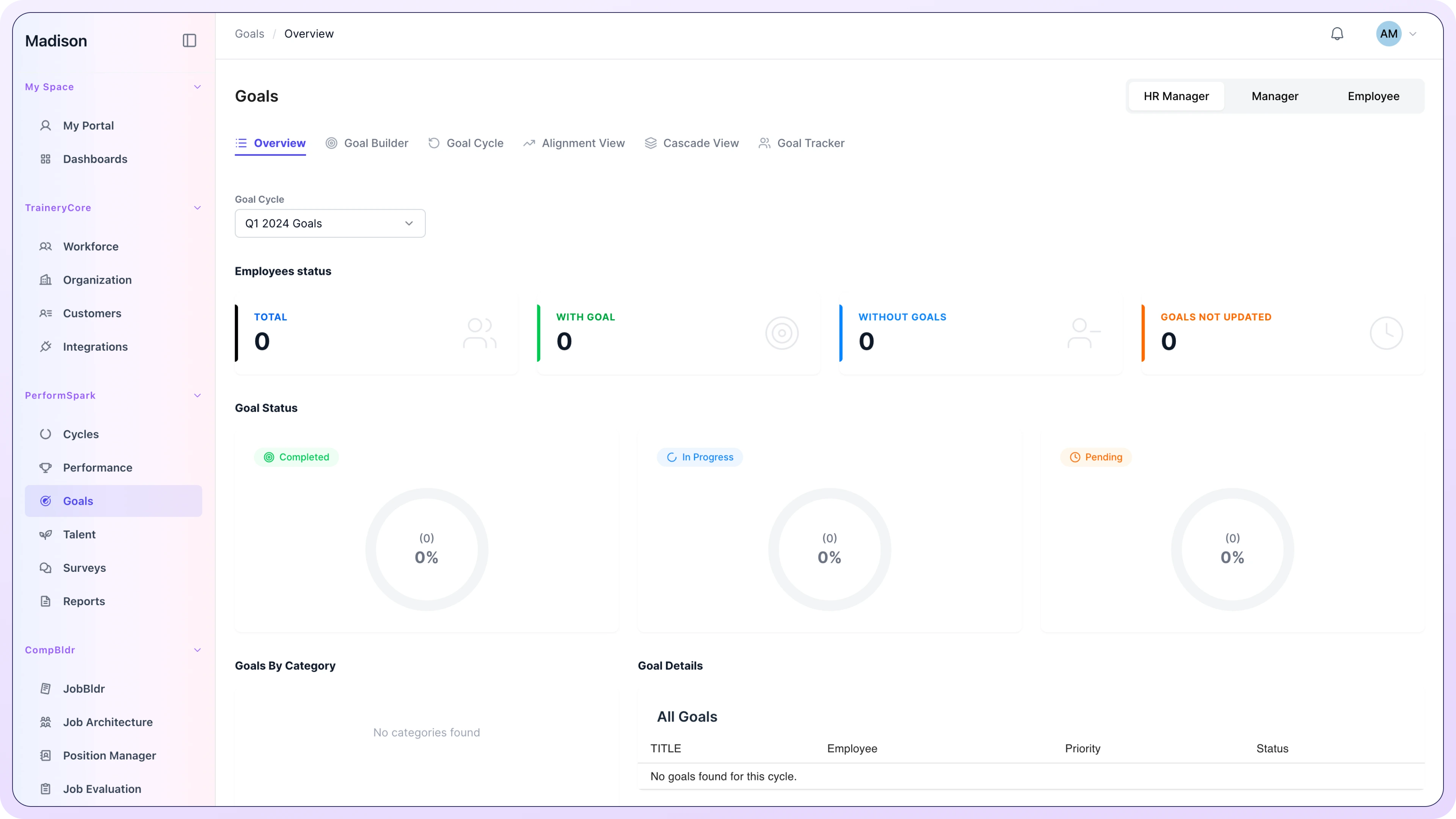
- PerformSpark gives you multiple review style and cycle options, goal management, and planning tools to help your employees grow.
- Managers can move employees from ‘recommendation to doing’ by accessing subscribed learning solutions within the portal.
- Managers often don’t know how to give useful feedback, and employees often don’t know how to take criticism and grow from it.
- PerformSpark gives you multiple review style and cycle options, goal management, and planning tools to help your employees grow.
- Managers can move employees from ‘recommendation to doing’ by accessing subscribed learning solutions within the portal.
- Managers often don’t know how to give useful feedback, and employees often don’t know how to take criticism and grow from it.
- PerformSpark gives you multiple review style and cycle options, goal management, and planning tools to help your employees grow.
- Managers can move employees from ‘recommendation to doing’ by accessing subscribed learning solutions within the portal.
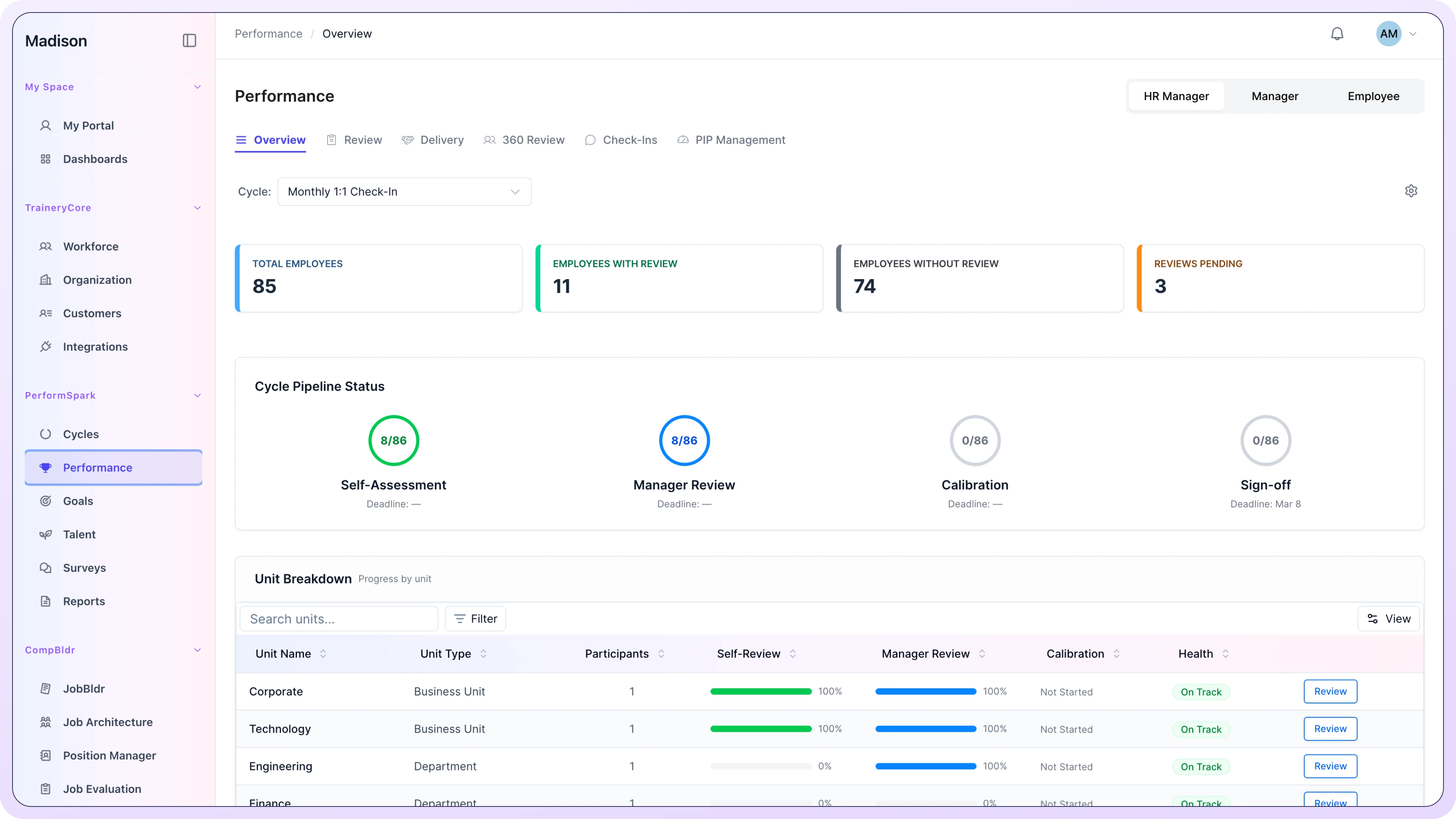
- Managers often don’t know how to give useful feedback, and employees often don’t know how to take criticism and grow from it.
- PerformSpark gives you multiple review style and cycle options, goal management, and planning tools to help your employees grow.
- Managers can move employees from ‘recommendation to doing’ by accessing subscribed learning solutions within the portal.
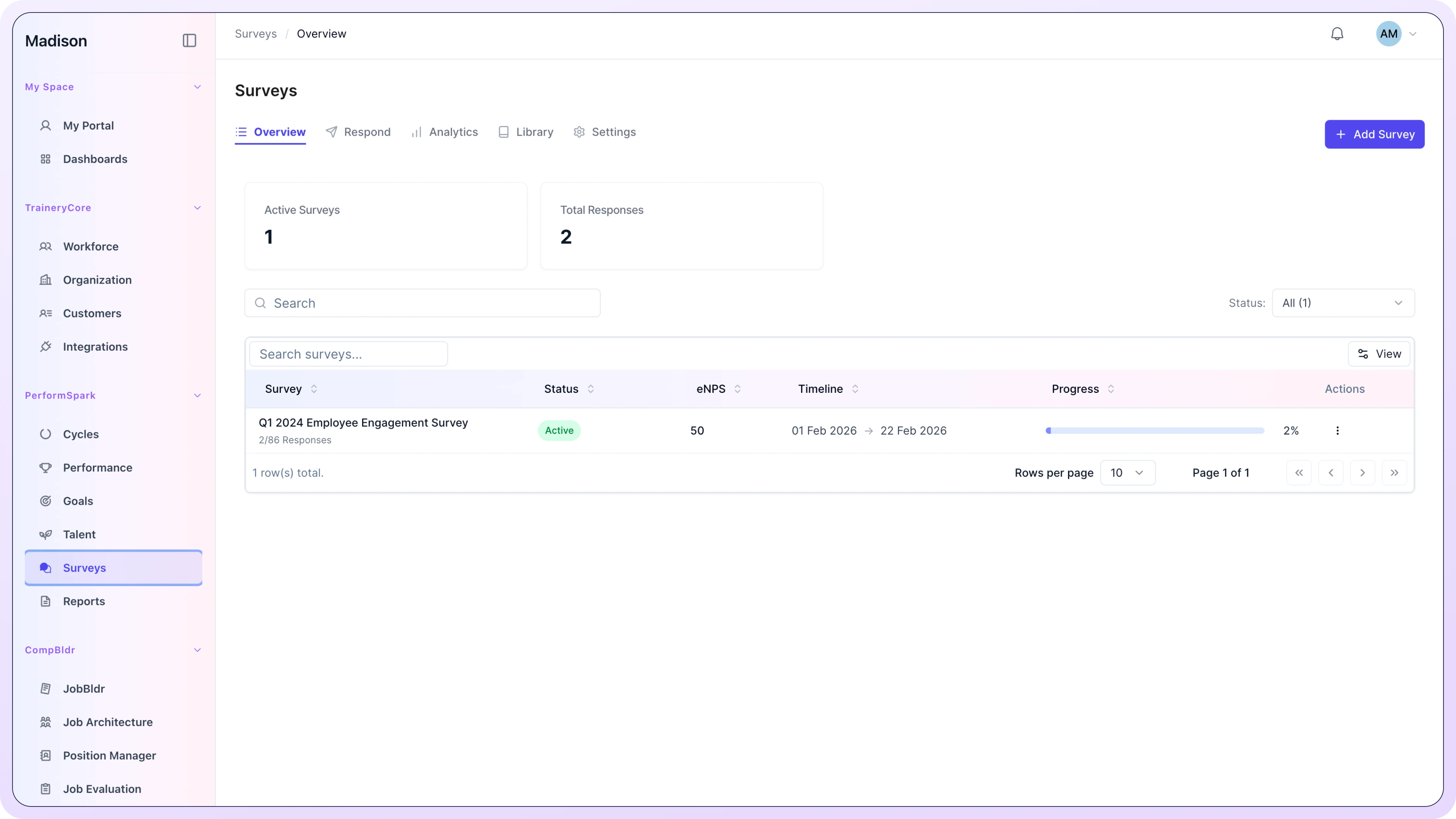
- Managers often don’t know how to give useful feedback, and employees often don’t know how to take criticism and grow from it.
- PerformSpark gives you multiple review style and cycle options, goal management, and planning tools to help your employees grow.
- Managers can move employees from ‘recommendation to doing’ by accessing subscribed learning solutions within the portal.
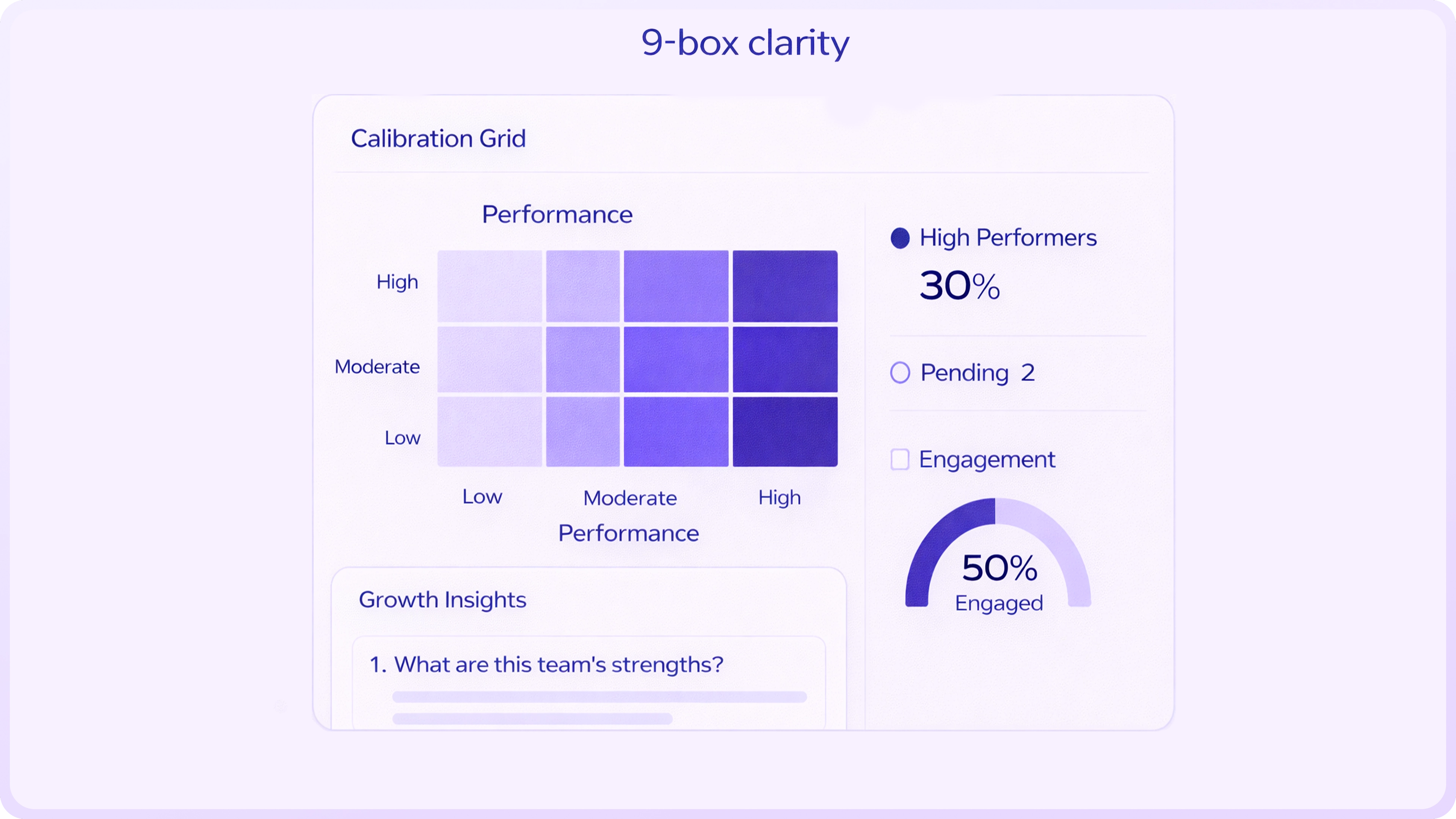
- Managers often don’t know how to give useful feedback, and employees often don’t know how to take criticism and grow from it.
- PerformSpark gives you multiple review style and cycle options, goal management, and planning tools to help your employees grow.
- Managers can move employees from ‘recommendation to doing’ by accessing subscribed learning solutions within the portal.
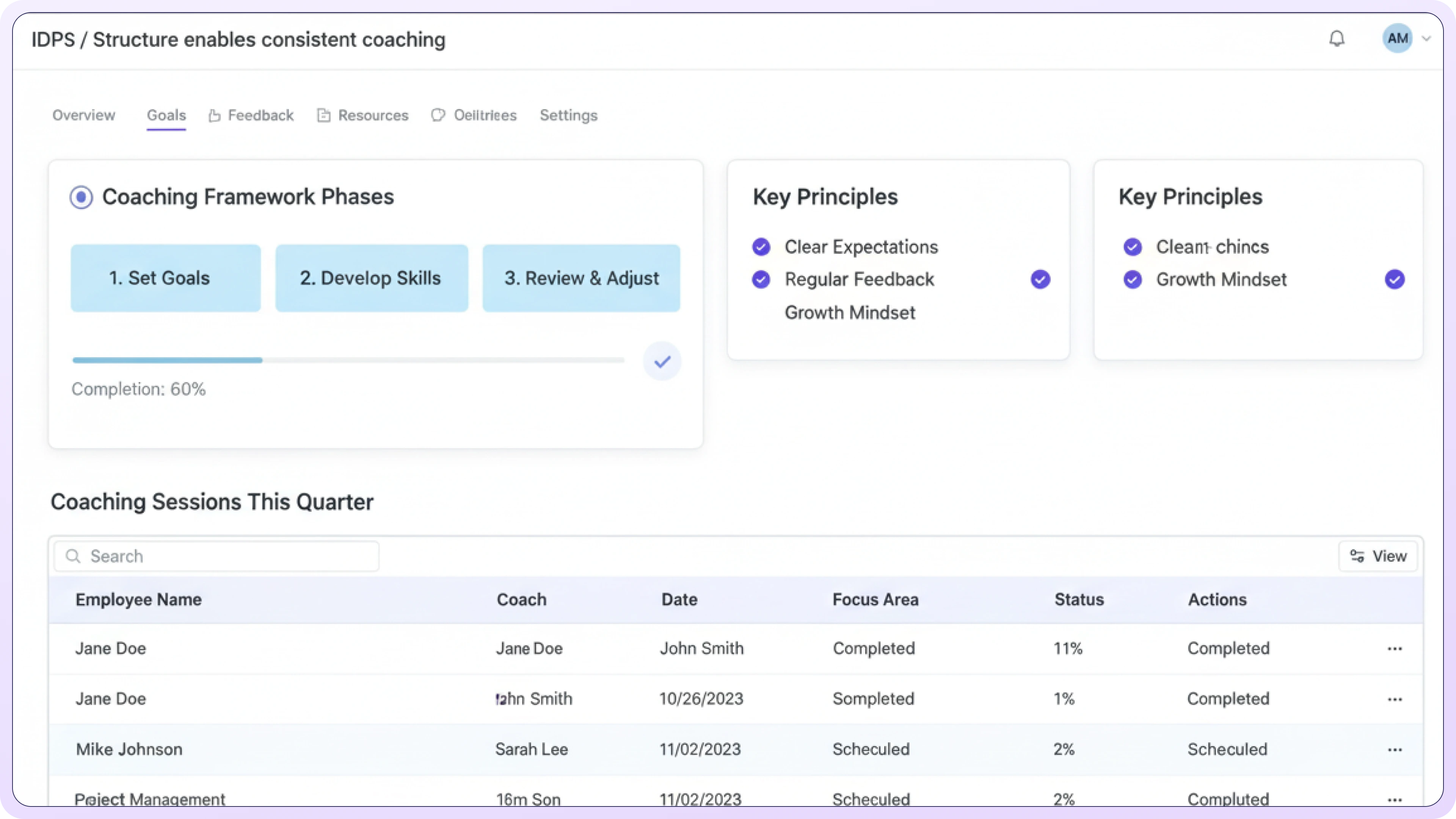
- Managers often don’t know how to give useful feedback, and employees often don’t know how to take criticism and grow from it.
- PerformSpark gives you multiple review style and cycle options, goal management, and planning tools to help your employees grow.
- Managers can move employees from ‘recommendation to doing’ by accessing subscribed learning solutions within the portal.
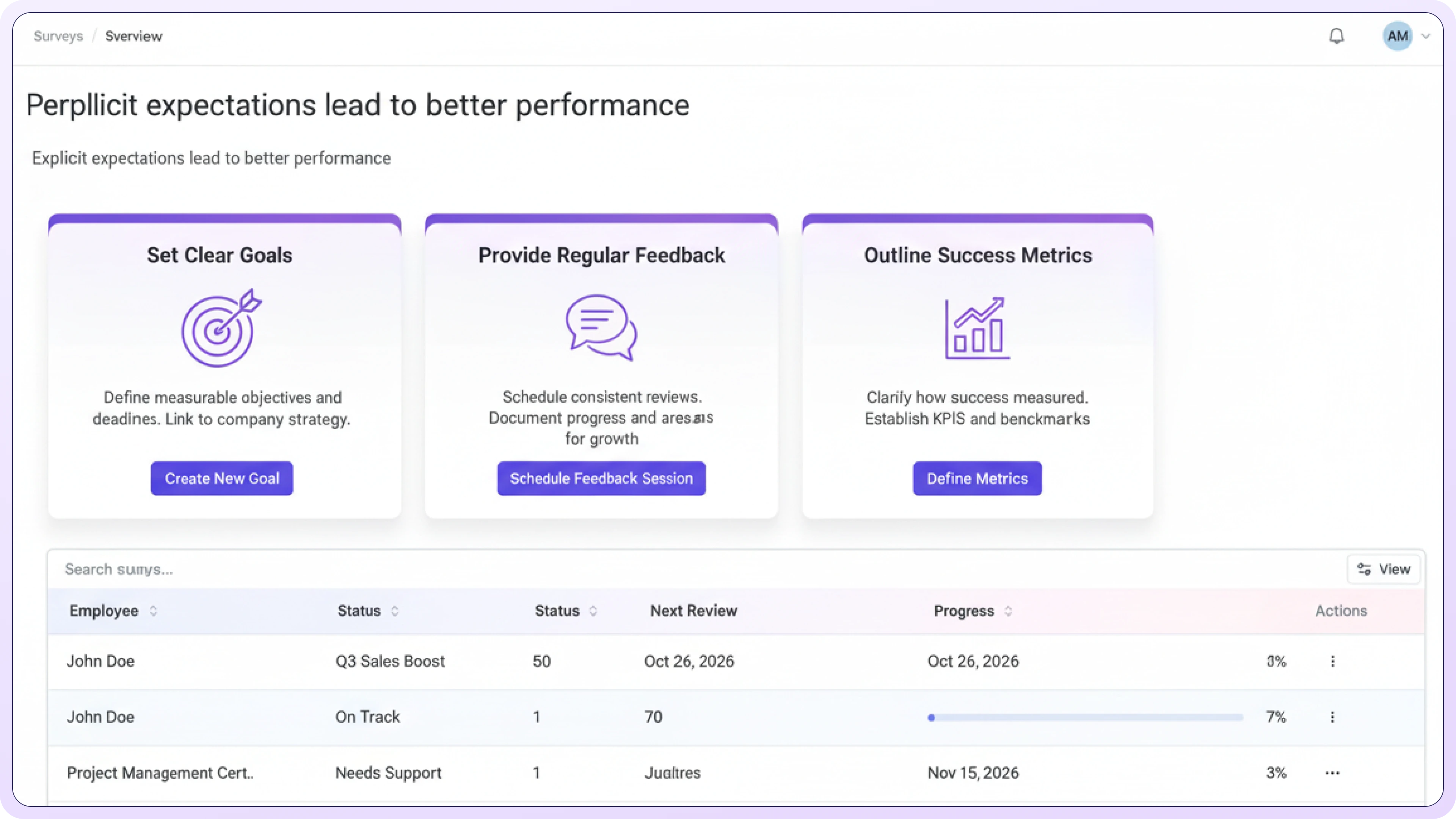
- Managers often don’t know how to give useful feedback, and employees often don’t know how to take criticism and grow from it.
- PerformSpark gives you multiple review style and cycle options, goal management, and planning tools to help your employees grow.
- Managers can move employees from ‘recommendation to doing’ by accessing subscribed learning solutions within the portal.
Your questions answered
What is 360-degree feedback?
Who is included in a 360 review?
Is 360-degree feedback anonymous?
What is the difference between a 360 review and a regular performance review?
How often should 360-degree feedback reviews happen?
How do you act on 360-degree feedback results?
How does TraineryHCM reduce bias in 360-degree reviews?
Can 360 feedback be used for compensation decisions?

Turn perspective into progress
Use 360 reviews to uncover strengths, identify gaps, and guide personalized development with confidence.
.svg)

.svg)
.svg)

