
What Core HR Software Should Standardize
A core HR system should reduce duplicate work, inconsistent access, reporting delays, and gaps between the workforce context used across the employee lifecycle.
.svg)
Single Source of Truth
One employee record, one structure, shared across all modules.

Unified Organizational Structure
Consistent entities, divisions, departments, and custom hierarchies.
.svg)
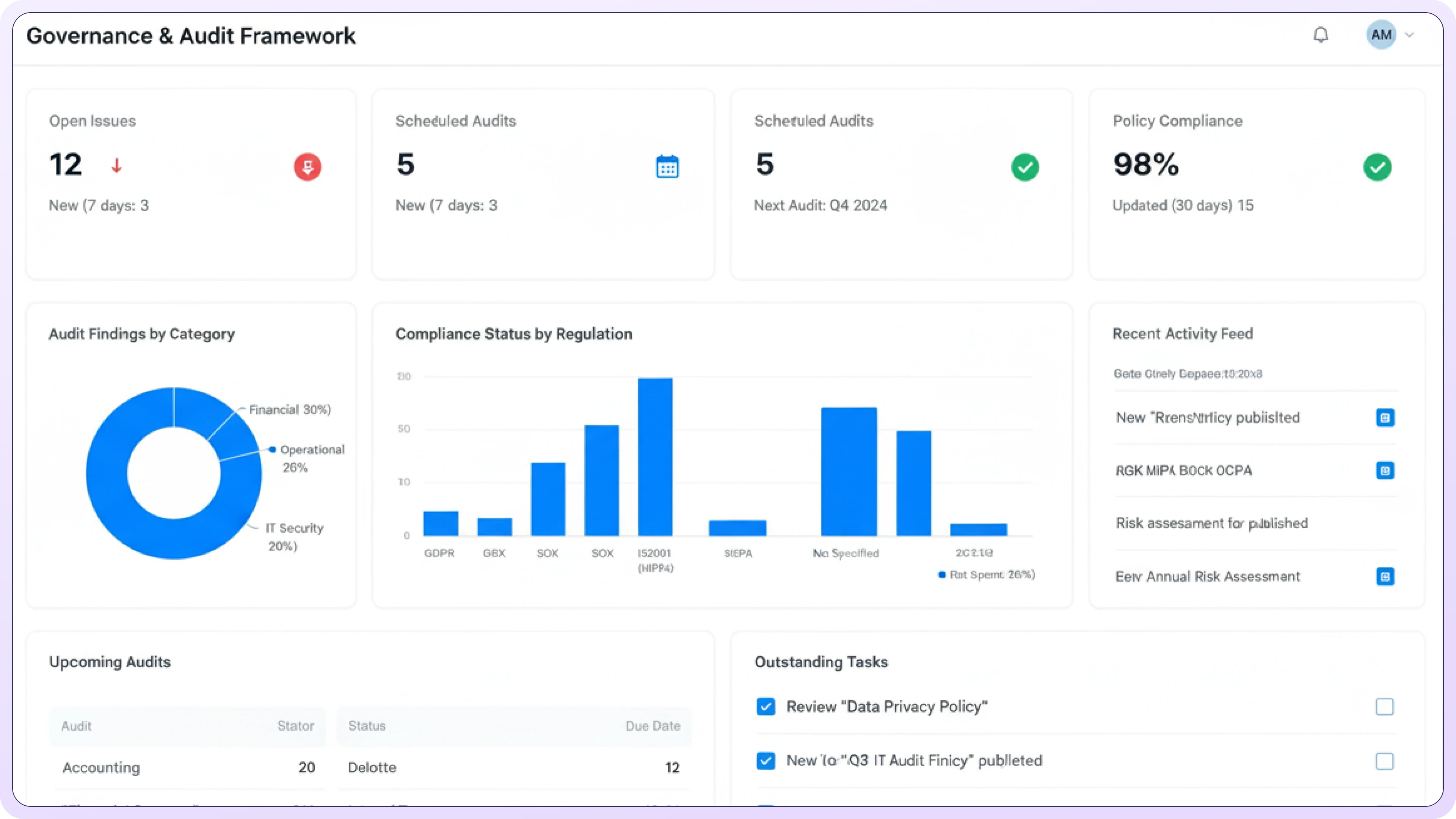
Built-In Audit & Compliance
Access trails, email logs, and activity tracking by default.
.svg)
Secure Role-Based Access
Granular permissions aligned to roles and responsibilities.
One Employee Record Across Performance, Learning, and Compensation
TraineryCORE serves as the employee system of record for TraineryHCM, helping teams keep job, reporting, access, and organizational data consistent across connected HR workflows.
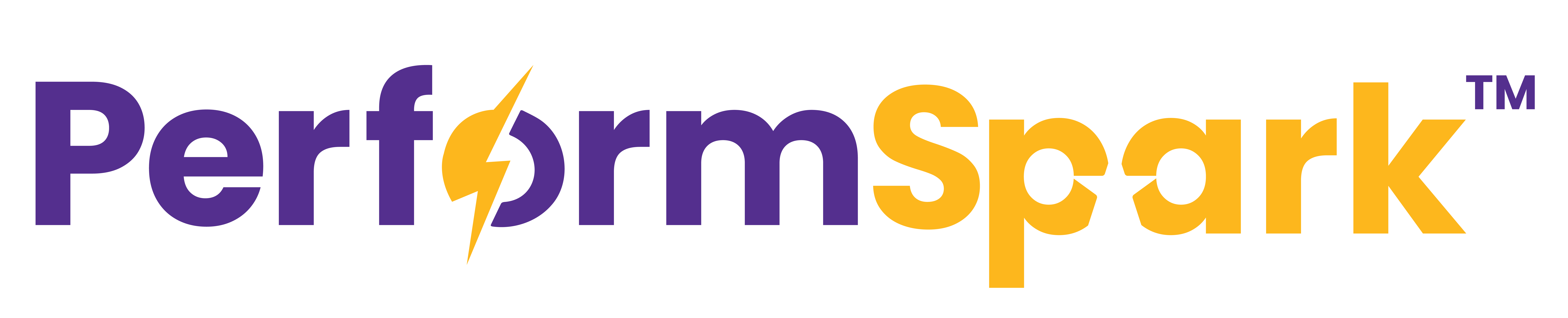


One Connected Organizational Core
.svg)
Core HRIS Capabilities for Growing Organizations
HR management software should make employee information, organizational structures, access controls, documents, portals, and reporting easier to manage from one shared core. TraineryCORE connects that core to the wider TraineryHCM platform and approved integrations without forcing teams to maintain separate HR records.
.svg)
Governance & Compliance
.svg)
Security & Access Control
Organizational Structure
.svg)
Workforce Foundation
.svg)
Document & Evidence Layer
Experience & Visibility
Flexible HR Structures Without Data Silos
Human resource software needs to adapt as the organization changes. Configure entities, departments, locations, roles, reporting lines, and permissions while keeping role structure aligned with job architecture and consistent employee governance.
Connected Employee Context Across the TraineryHCM Suite
Human resources software works best when identity, security, employee records, reporting, notifications, and document controls share consistent context across connected TraineryHCM modules. Use security and permissions, reporting and analytics, and notification workflows as part of that shared foundation.
Governance & Audit Framework
.svg)
Security & Access
.webp)
Organizational Structure
.webp)
People & Workforce
.webp)
My Portal Personalized Workspace
.webp)
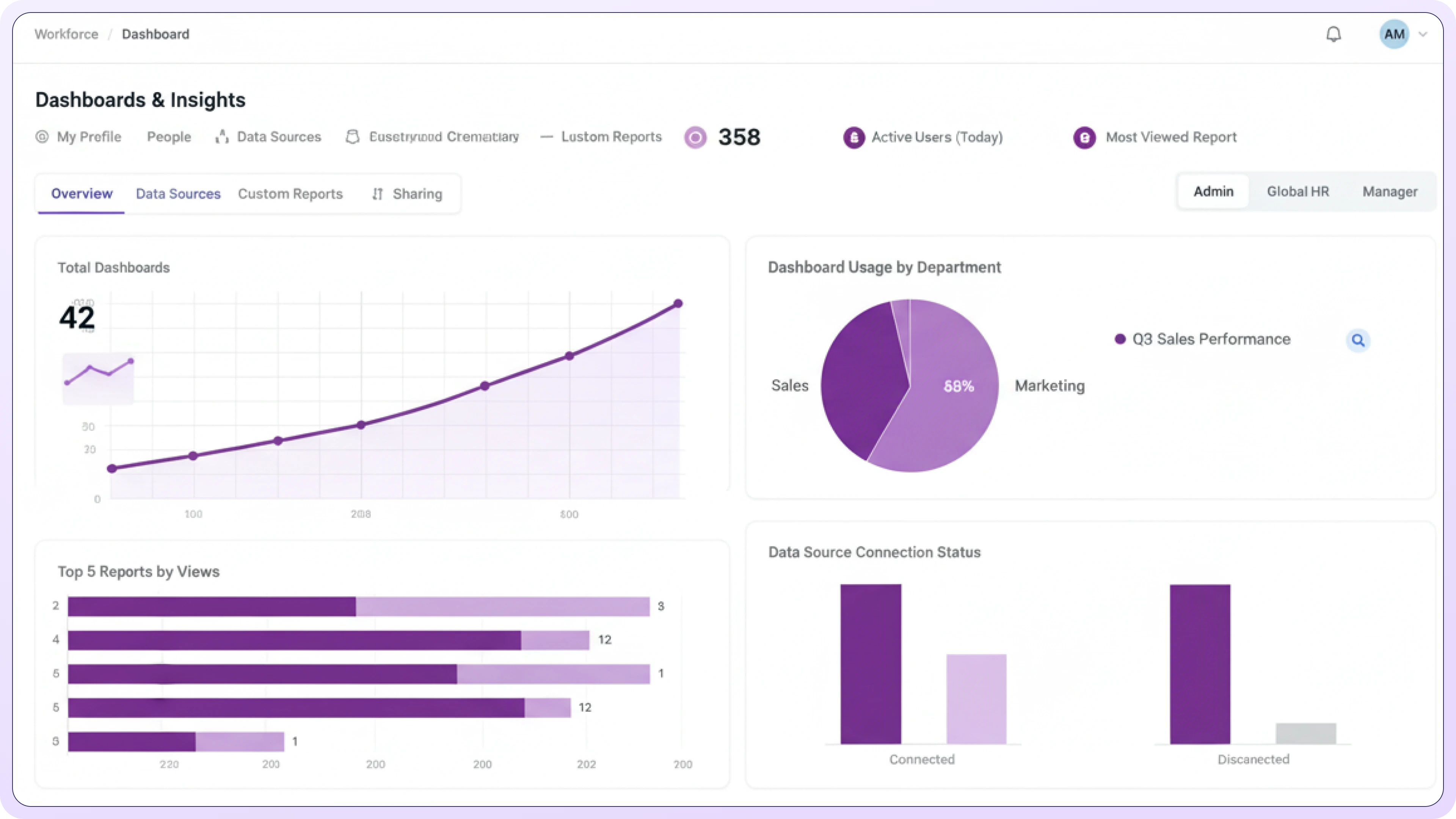
Dashboards & Insights
DocuStor
Your questions answered
What is TraineryCORE?
How do I keep global employee data in one central HR system?
What data does TraineryCORE manage?
How does TraineryCORE connect to the performance and compensation modules?
.webp)
See How TraineryCORE Connects Your HR Data
Bring your employee-data structure, reporting needs, existing payroll provider, and talent workflows. See how TraineryCORE can support a connected HCM environment.
.svg)

.svg)
.svg)

