
.svg)

.svg)
.svg)
Improve Workforce Visibility
See where clinical roles have upcoming renewal needs, where learning has been completed, and where departments need additional capability or leadership development.
Connect clinical and nonclinical workforce roles with licensing and credential context, continuing education, competencies, performance, talent development, succession, and compensation across hospitals, clinics, and care networks.
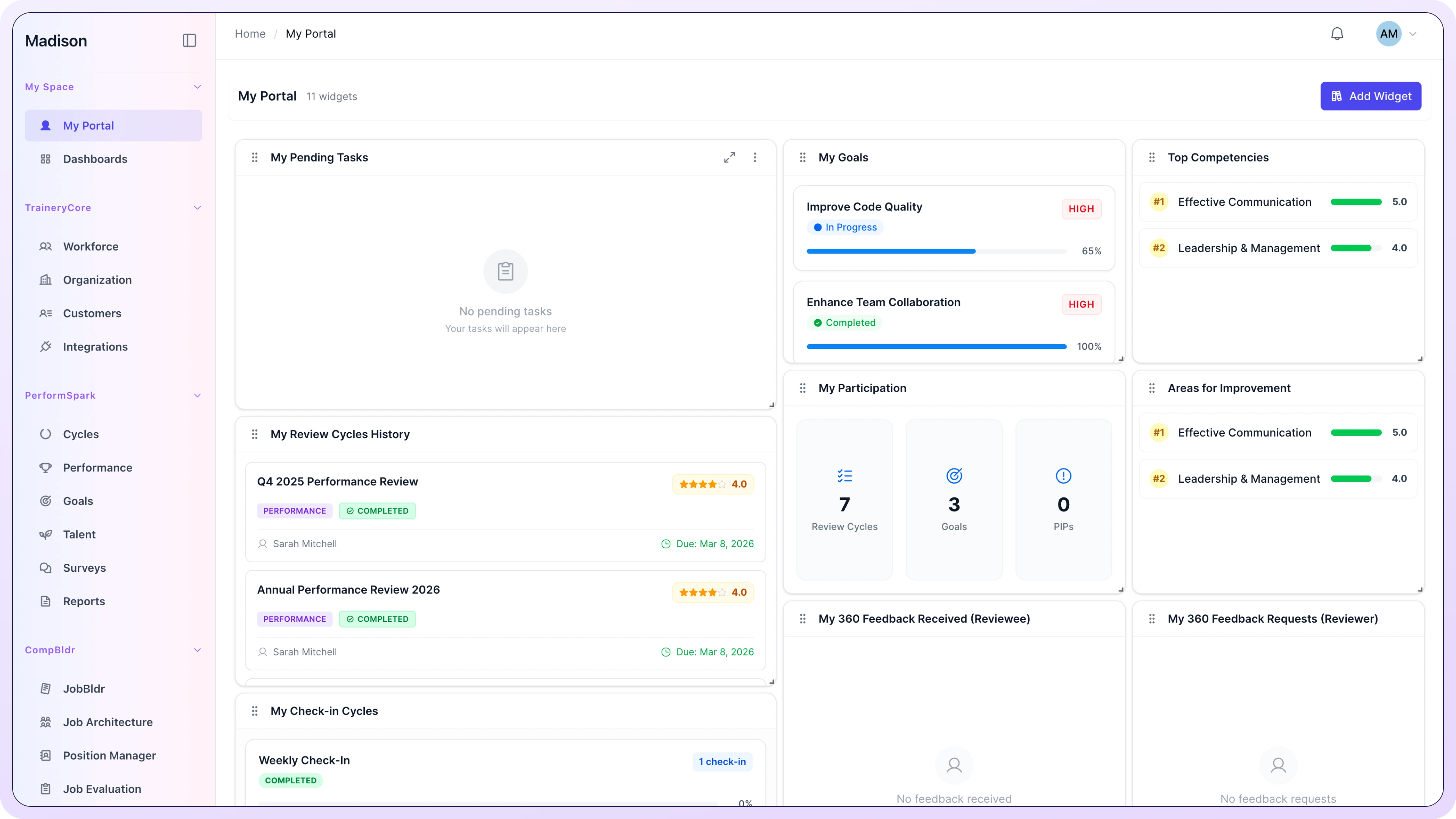
Healthcare HR teams coordinate licensed clinicians, allied health professionals, administrative teams, and supervisors across care settings. Role requirements, credentials, professional development, and succession need to be understood together without conflating HR records with clinical systems.
.svg)

Different clinical and nonclinical roles carry different education, license, certification, and competency expectations across a care network.

License expiration dates and certification records may be separated from employee roles, professional learning, and the managers responsible for follow-up.

Clinical competency observations and performance feedback need to connect with relevant coaching and development rather than remain isolated review records.

.svg)
Bring together job family, facility, unit, manager, employment role, and organizational context across clinical and support teams.
Review credentials, relevant learning, renewals, and follow-up responsibilities alongside clinician and employee role information.
Use competency evidence, performance development, critical-role coverage, and succession context when planning future clinical and operational leadership.
Healthcare workforce management is stronger when employee and role context stays connected. Move from Core HR to credential readiness, performance evidence, development, and future talent decisions with governed reporting and analytics and security and permissions.
HCM for hospitals should connect specialist workflows around shared workforce context. Link performance, learning, and compensation decisions without turning one module into the owner of every process.

.svg)
.webp)


.webp)

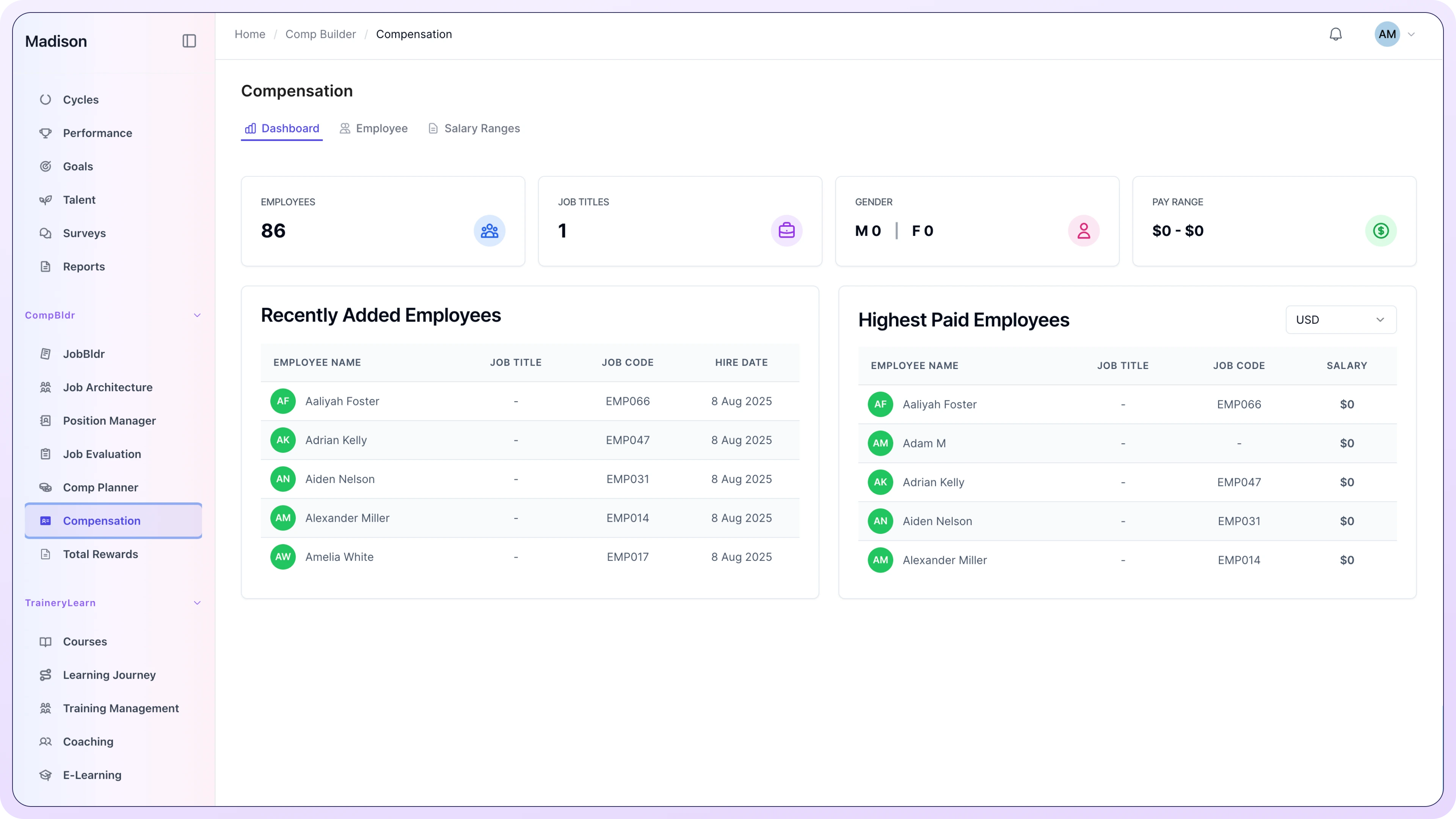
Healthcare teams need to know which licenses and certifications relate to each employee's role, what continuing education may apply, and where renewals or follow-up require attention.
Connect licensing, certification renewals, relevant continuing education (CE), and required learning with employee role context. Specific CME, nursing CE, or pharmacy CPE requirements depend on the profession and jurisdiction.
.svg)
.svg)

.svg)
.svg)
Healthcare human capital management becomes more useful when skills management, career pathing, and succession planning use the same employee, role, learning, and readiness context.

.svg)
.svg)
Use documented competencies, role-specific skills, continuing learning, performance feedback, and career goals to guide development for clinicians, allied health staff, unit managers, and care-support teams.
Review competency evidence against clinical or support-role expectations and use identified gaps to guide coaching, learning, and development—not as a substitute for patient-care credentialing decisions.
.svg)
.svg)
.svg)
.svg)
.svg)
HR software for healthcare should support the way hospitals, clinics, and care networks actually operate. Use talent management, supported integrations, and notification workflows with role, access, and workforce structures configured for the organization.



Bring clinician and nonclinical employee context closer to licensure, continuing education, competencies, professional growth, leadership readiness, and compensation decisions.
See where clinical roles have upcoming renewal needs, where learning has been completed, and where departments need additional capability or leadership development.
Connect clinical and administrative feedback with competency gaps, learning priorities, coaching, and structured development plans.
Review nurse-manager, department-leader, and specialist succession needs using skills, development progress, talent pools, and readiness evidence.
Support workforce reviews across facilities, units, and job families with appropriate access to role and development information.
Bring your clinical job families, licensing and renewal processes, continuing education needs, competency expectations, unit-leader development, and care-network structures. See how TraineryHCM connects the relevant workforce context.

.svg)

.svg)
.svg)

