
.svg)

.svg)
.svg)
Improve Workforce Visibility
Identify which production areas need additional trained capability and where a maintenance specialist or shift-lead role may have limited backup.
Connect operator and technician role requirements with training records, skills evidence, performance, supervisor development, critical-role succession, and compensation across plants and production teams.
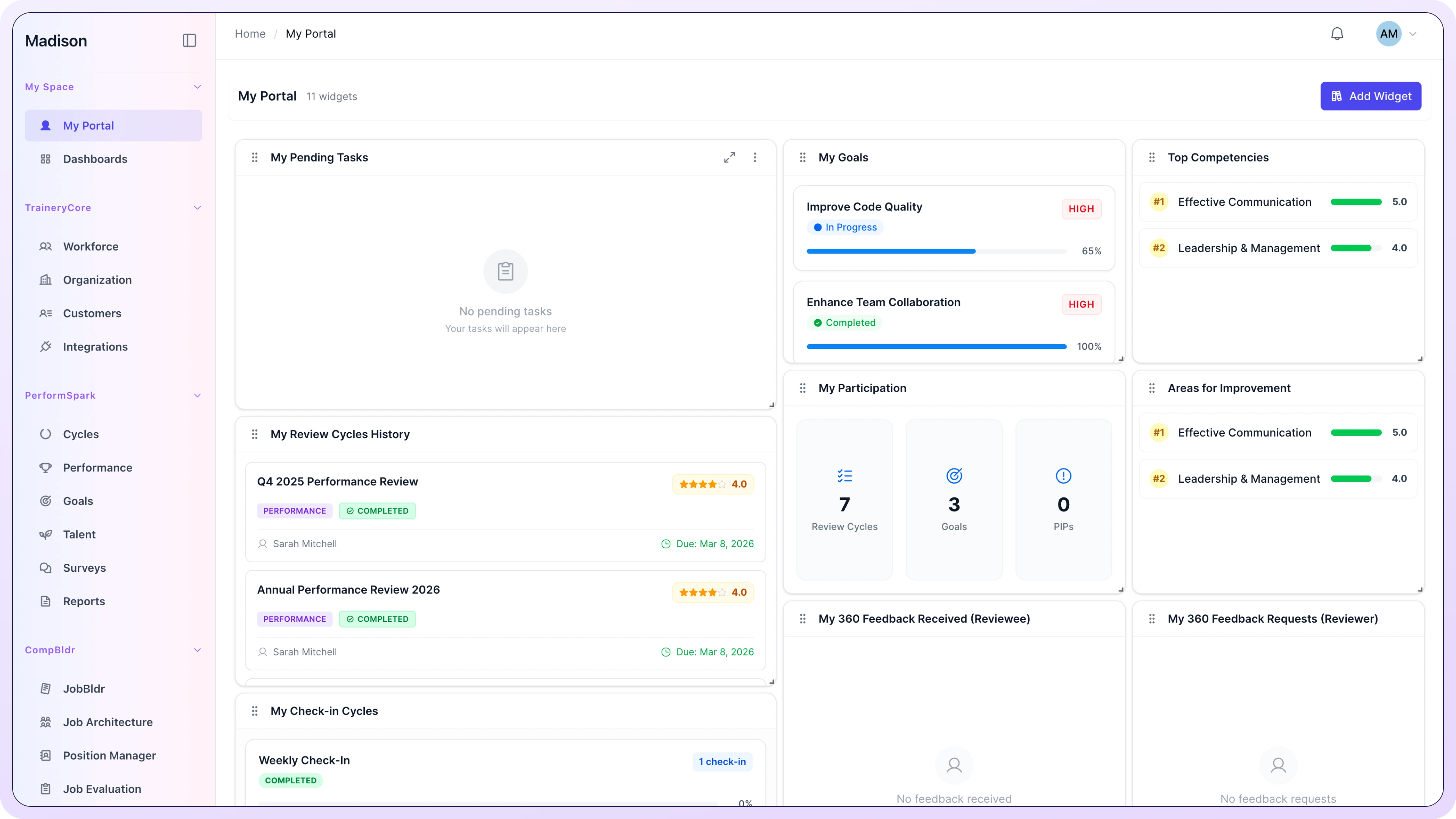
Plant HR and operations leaders need to understand which employees are developing the skills required for their work areas, how training aligns to responsibilities, and where experienced technicians or supervisors lack ready successors across facilities.
.svg)

Production operators, maintenance technicians, quality specialists, and shift leads need different training and proficiency expectations that generic employee records do not explain.

Managers may know who can perform specific work, but that knowledge can be disconnected from validated skills, proficiency, learning, and employee records.

Supervisor feedback on operating procedures, troubleshooting, quality, and teamwork should lead to targeted development—not disappear in a general annual review.

.svg)
Maintain employee and role context across plants, departments, production areas, supervisors, and locations as responsibilities change.
Link operator training completion, role-required certifications, validated skills, and development priorities with the employee records behind them.
Identify readiness gaps in maintenance, quality, line leadership, and other roles where limited bench strength can affect workforce continuity.
Move from each production role's skill expectations to assigned training, assessed capability, supervisor feedback, technical development, and successor readiness for important plant positions.
Connect plant workforce records with operator training, skill proficiency, technical career development, supervisor succession, and role-based compensation decisions.

.webp)


.svg)
.webp)

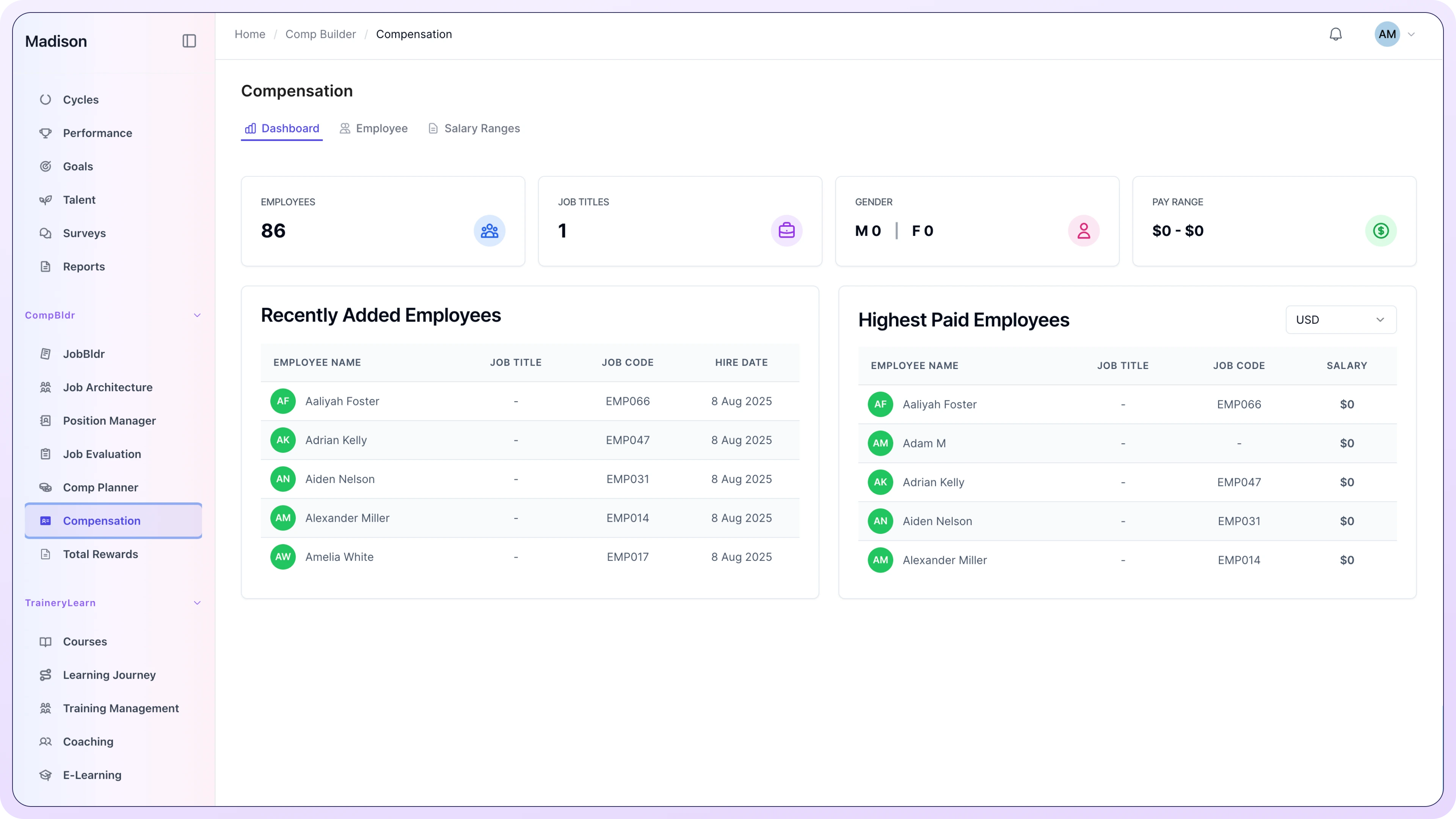
Training evidence matters most when managers can review it in the context of a specific production job, work area, equipment-related responsibilities, or technician role—not as an isolated list of course completions.
Bring mandatory learning, refresher needs, qualification records, role expectations, and development follow-up together for production operators, maintenance staff, quality teams, and supervisors.
.svg)
.svg)

.svg)
.svg)
Connect skills, performance, development needs, career goals, learning, talent pipelines, and succession readiness across the employee lifecycle.

.svg)
.svg)
Use validated skills, supervisor feedback, learning history, and career interests to plan progression from operator to skilled technician, team lead, or production supervisor.
Review role-based proficiency across machine operations, quality inspection, equipment maintenance, and production supervision. Connect identified gaps with training and development actions.
.svg)
.svg)
.svg)
.svg)
.svg)
Connect workforce and skill profiles across production lines, technical departments, plant locations, and management levels, while keeping local training and workforce structures visible.



See how operator qualifications, technician skills, training completion, supervisor readiness, and critical-role succession fit together across facilities.
Identify which production areas need additional trained capability and where a maintenance specialist or shift-lead role may have limited backup.
Connect capability gaps with learning, coaching, IDPs, Growth Plans, and career development.
Use skills evidence, talent pools, bench strength, development, and succession context to identify vulnerable roles earlier.
Give supervisors workforce context related to their teams and roles, including training, skill proficiency, performance, development, and readiness.
Bring your plant and production-team structures, operator training requirements, skills matrix priorities, technician development gaps, and supervisor succession needs. See how TraineryHCM connects workforce context across manufacturing locations.

.svg)

.svg)
.svg)

