.svg)
.svg)

.svg)
Improve Workforce Visibility
Understand where a program relies on a single specialist, where managers need development support, and how employees' capabilities align with changing service responsibilities.
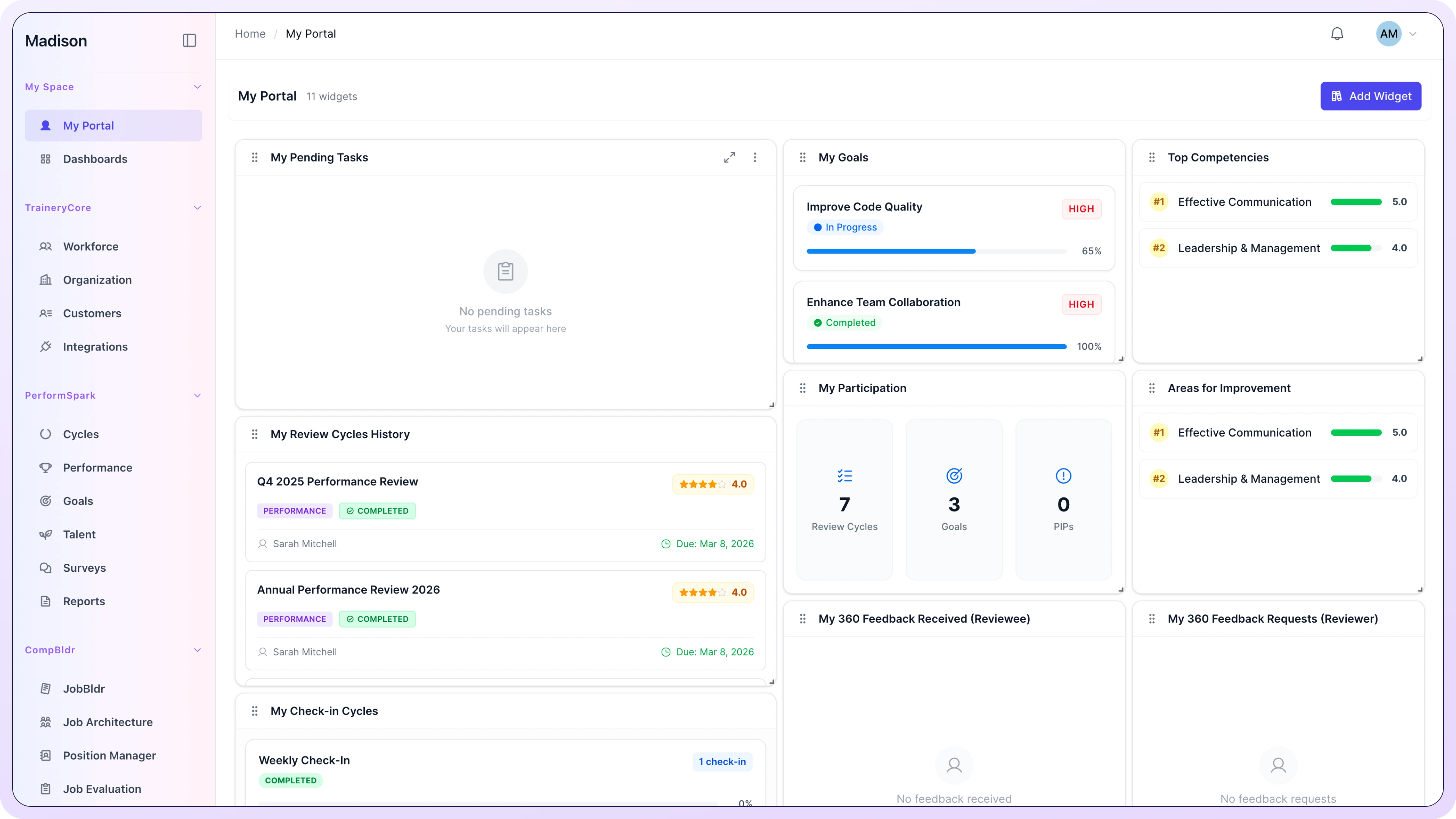
Support mission-driven teams across programs, offices, and locations. Connect nonprofit employee roles, performance, development, skills, leadership succession, and compensation decisions without adding disconnected HR processes.
Nonprofit HR teams balance program delivery, limited administrative capacity, changing funding priorities, and continuity of critical services. Separate performance records and development plans can make it harder to see whether each program has the people and leadership capability it needs.
.svg)

A program director may know who can lead outreach, manage grants, or support community services, while those skills and growth needs remain invisible to HR and leaders planning coverage across programs.

When skills management is disconnected from performance, learning, and development, important workforce knowledge can stay trapped in separate systems or manager memory.

Annual reviews alone do not show whether coordinators, caseworkers, fundraising specialists, or future program leaders are gaining the capability needed as community needs change.

.svg)
Establish consistent employee and role context across programs, grant-funded positions, locations, reporting lines, and the teams responsible for delivering your mission.
Link program and individual goals with check-ins, feedback, and development plans so stretched managers can prioritize coaching and follow-through.
Recognize program leadership and specialist roles that rely on a small number of people, then review skills, development, and succession readiness before transitions disrupt delivery.
Follow the people decisions behind mission delivery: clarify program roles, review performance against role expectations, identify skill gaps, support development, and prepare successors for essential services and leadership positions.
Bring employee and program context into connected performance, skills, learning, talent, succession, and compensation decisions—especially useful for lean nonprofit HR teams supporting multiple services.
.svg)
.webp)

.webp)


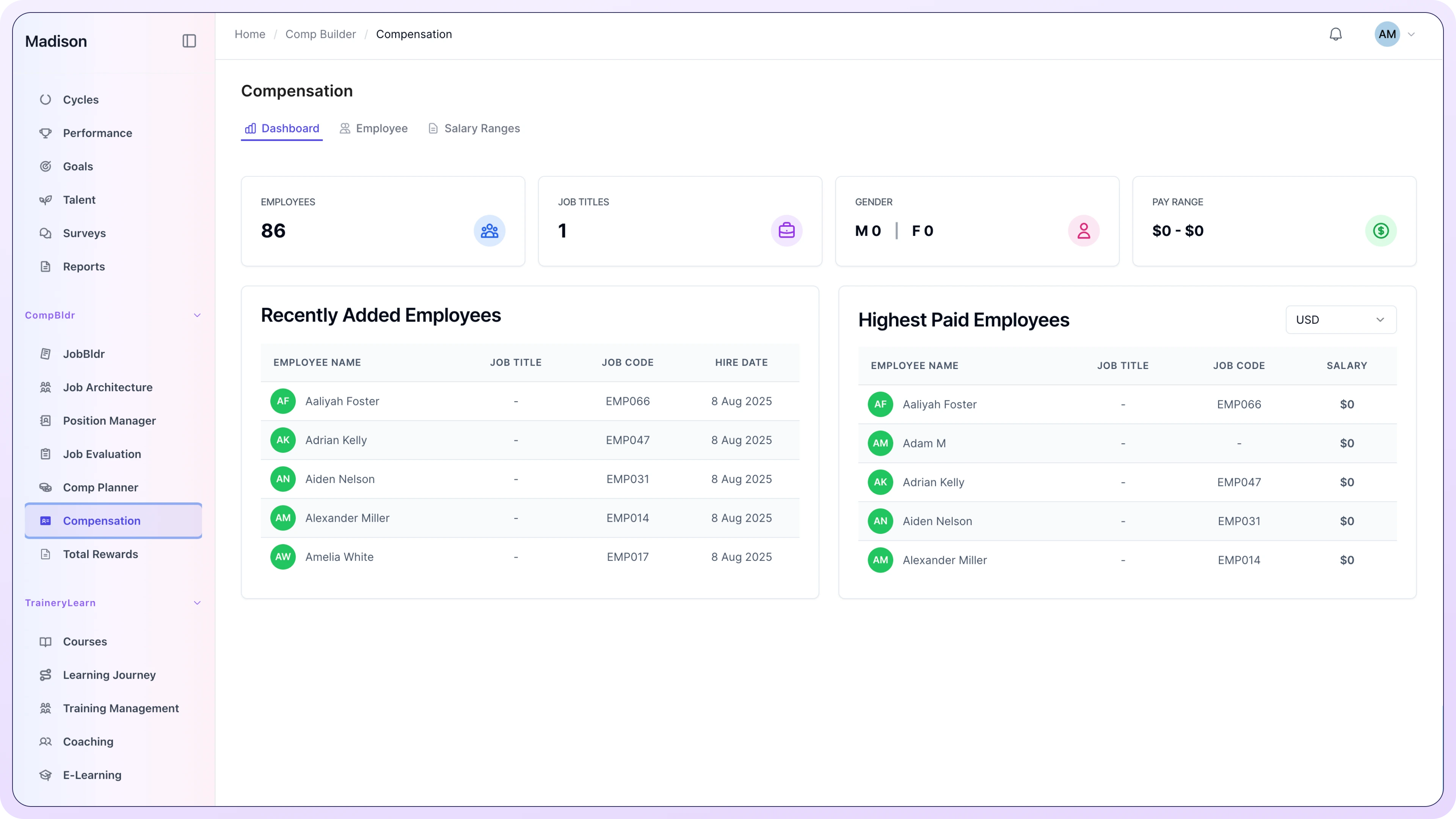
Nonprofit performance conversations should reflect the responsibilities people carry across programs, not just an annual rating. Use goals, feedback, and development priorities to support frontline staff, program coordinators, and emerging managers.
Connect role-specific goals with regular coaching so employees taking on new program responsibilities have clear support, documented development actions, and visibility into expectations.
.svg)
.svg)

.svg)
.svg)
Nonprofit employees may take on broader responsibilities as programs grow, funding changes, or teams stay lean. Development becomes more useful when current capability, learning needs, career goals, and future-role requirements can be reviewed together.

.svg)
.svg)
Use employee skills, program experience, development progress, and career interests to identify growth paths for service teams, program managers, administrative specialists, and future nonprofit leaders.
When a long-serving executive director or program lead departs, continuity can depend on knowledge held by one person. Review leadership capability, development evidence, and potential successors before a transition affects essential programs.
.svg)
.svg)
.svg)
.svg)
.svg)
Organize workforce information around distinct nonprofit operating models—from local community services to associations and grantmaking foundations—while keeping people decisions connected to each organization's mission.



Give HR and program leaders a clearer view of employee roles, goals, capability gaps, development priorities, and potential coverage risks across mission-critical services.
Understand where a program relies on a single specialist, where managers need development support, and how employees' capabilities align with changing service responsibilities.
Connect capability gaps with learning, coaching, development plans, and career development.
Use talent pools, development evidence, bench strength, and succession planning to reduce risk around leadership and critical-role transitions.
Review compensation decisions with job responsibilities, role structure, salary ranges, and available market context in mind, including the realities of varied nonprofit roles and budgets.
Bring your program structures, lean-team challenges, leadership continuity needs, employee development priorities, and compensation practices. Explore how TraineryHCM can connect the people context behind reliable mission delivery.
.svg)

.svg)
.svg)

