Set Expectations
Define role expectations, competencies, goals, review forms, rating scales, participants, timelines, and approval responsibilities before the cycle opens.
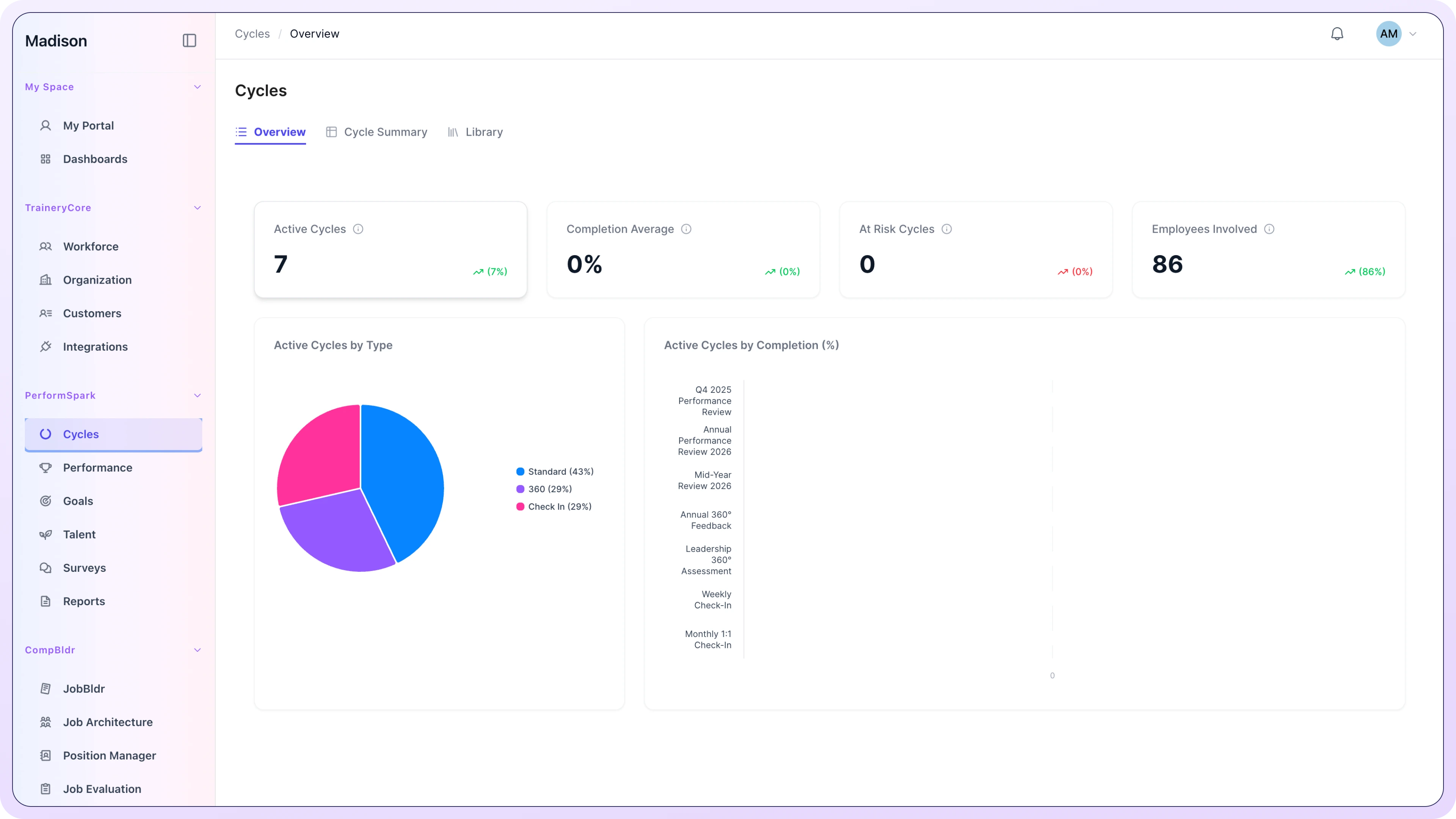
Connect reviews, goals, feedback, development actions, learning, and compensation decisions through shared employee context in TraineryHCM.
Disconnected reviews, learning records, employee data, and compensation processes create gaps between performance decisions and the actions that should follow.
.svg)
.svg)

.svg)
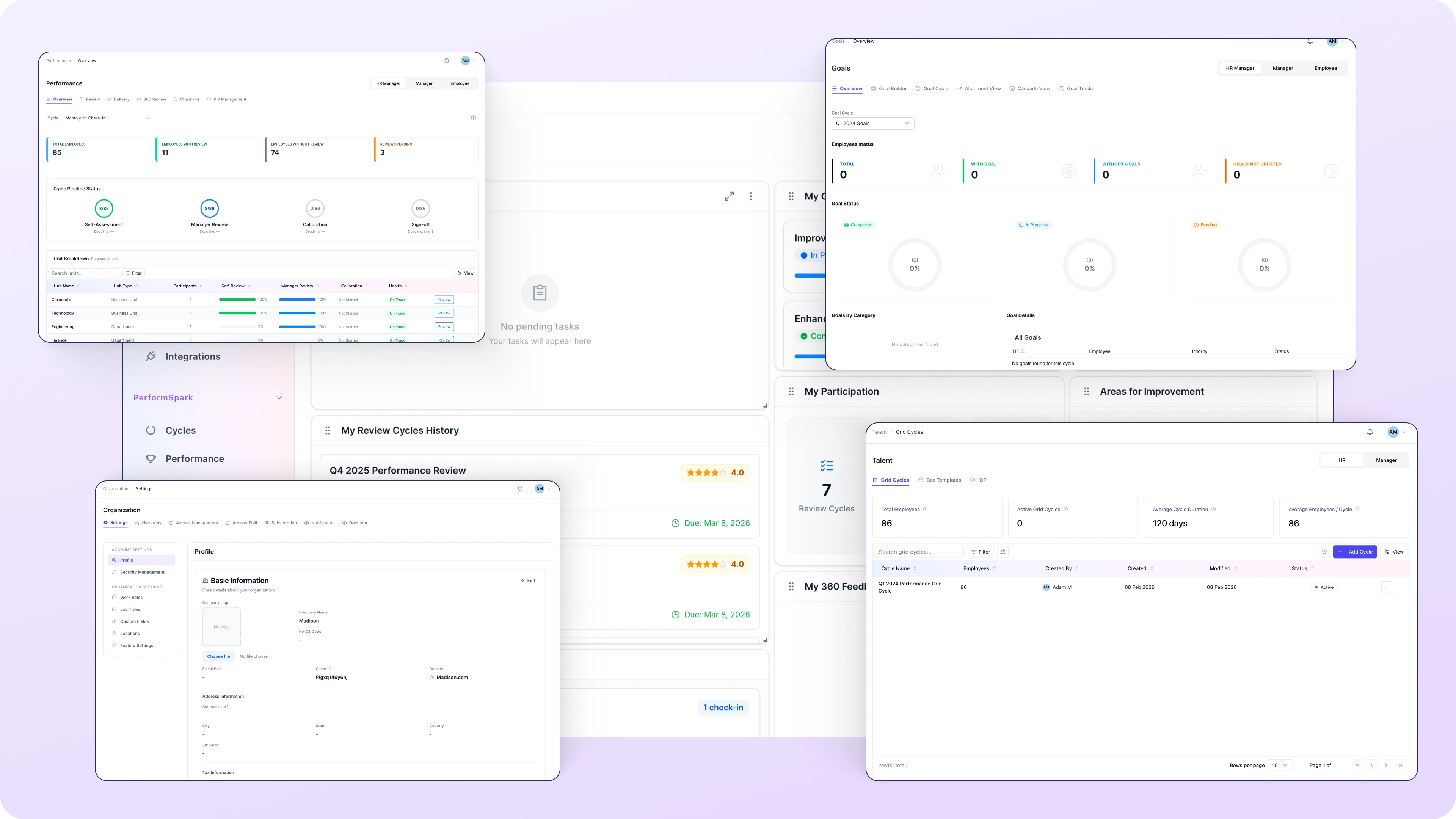
Use the performance workflows your organization needs while keeping employee, goal, feedback, review, development, learning, and compensation context connected.
.svg)
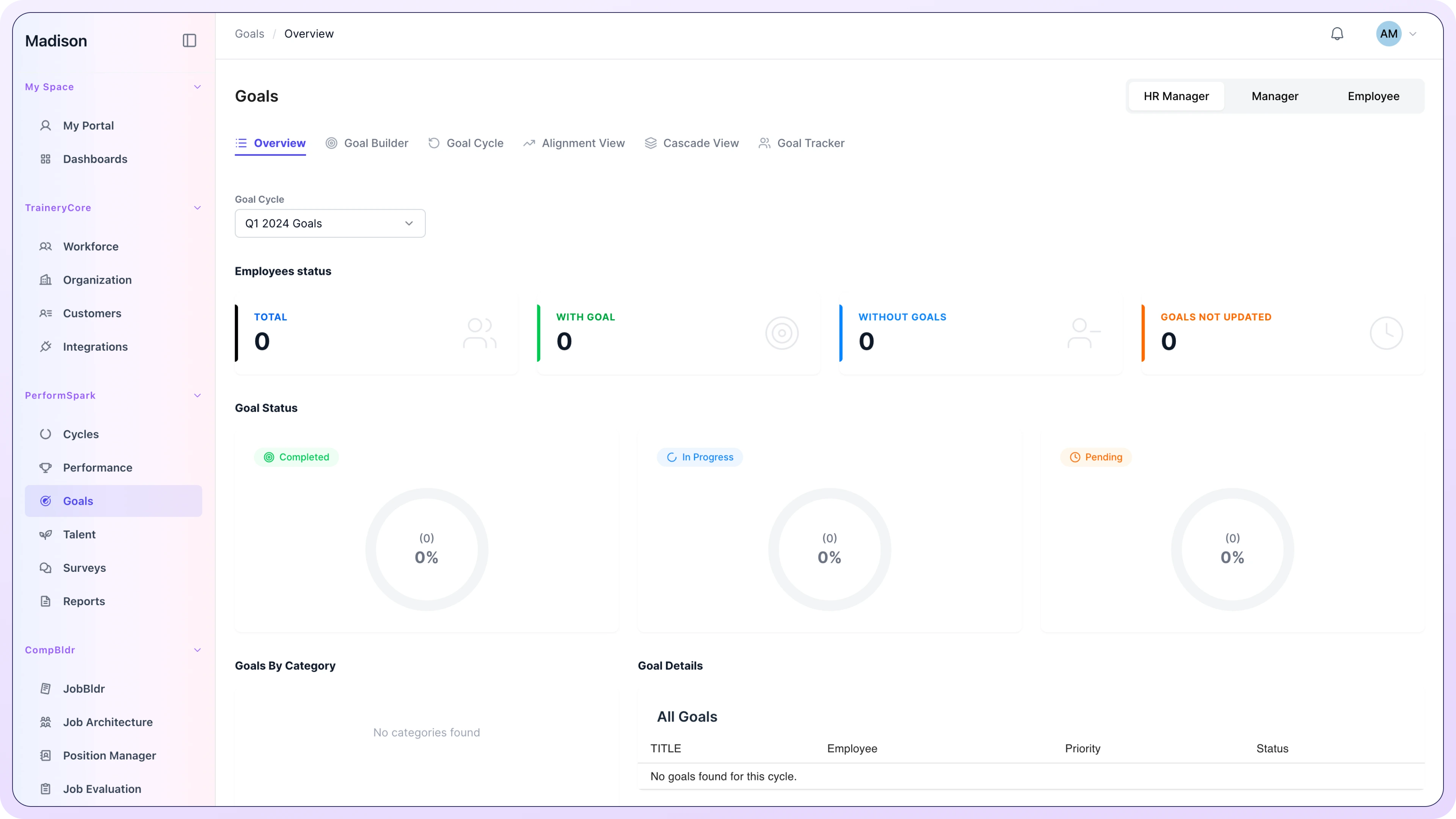
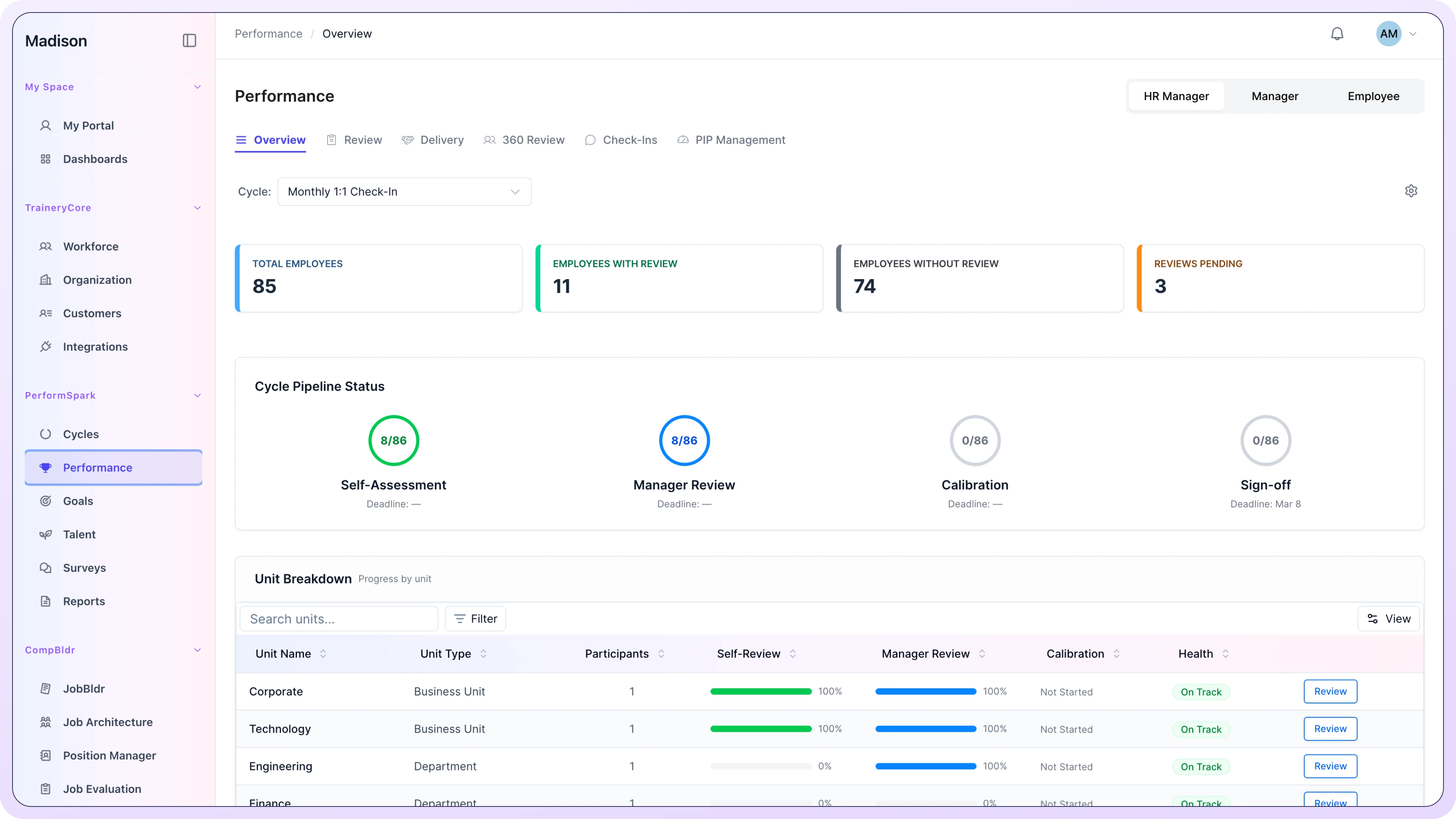
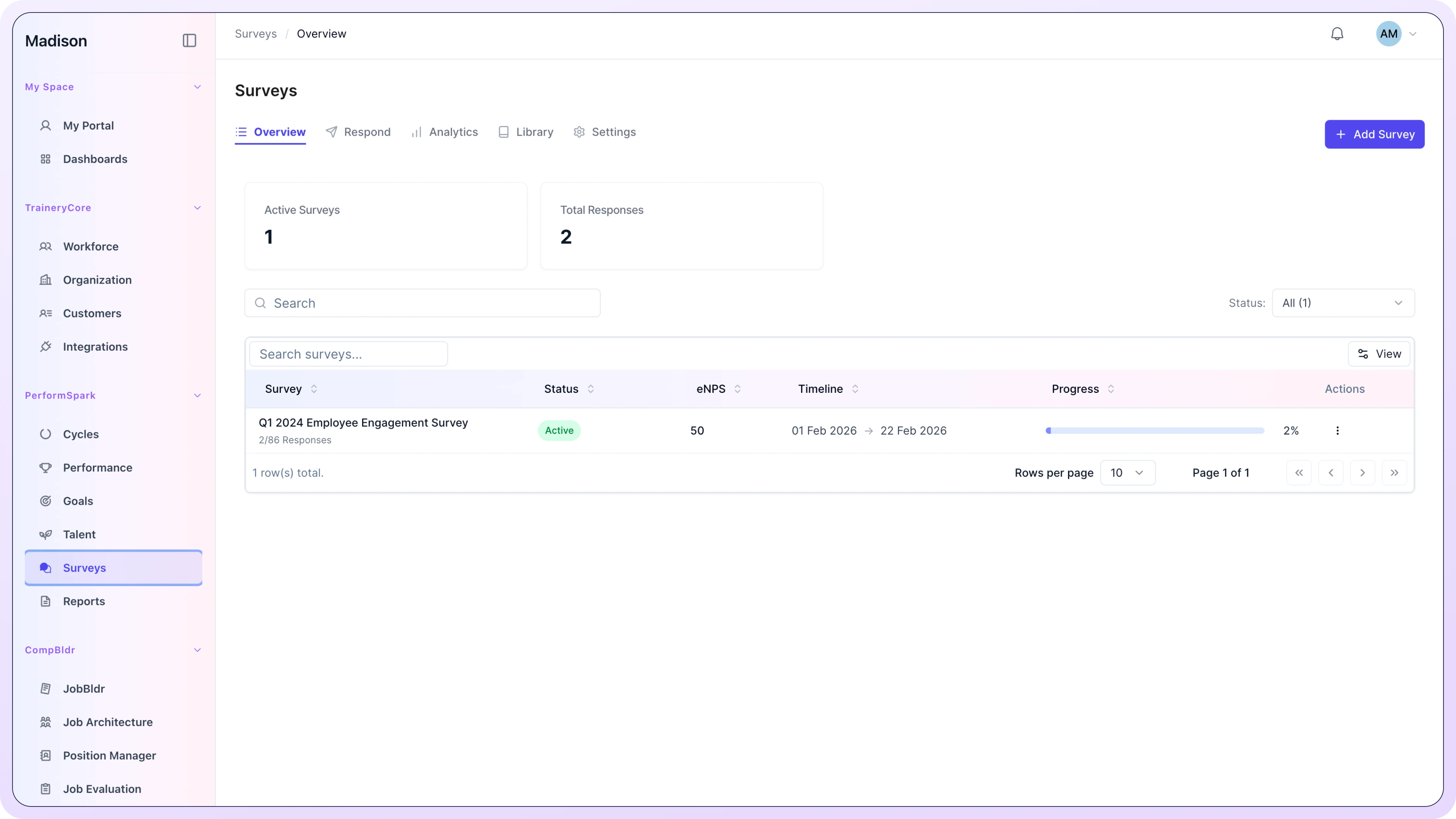
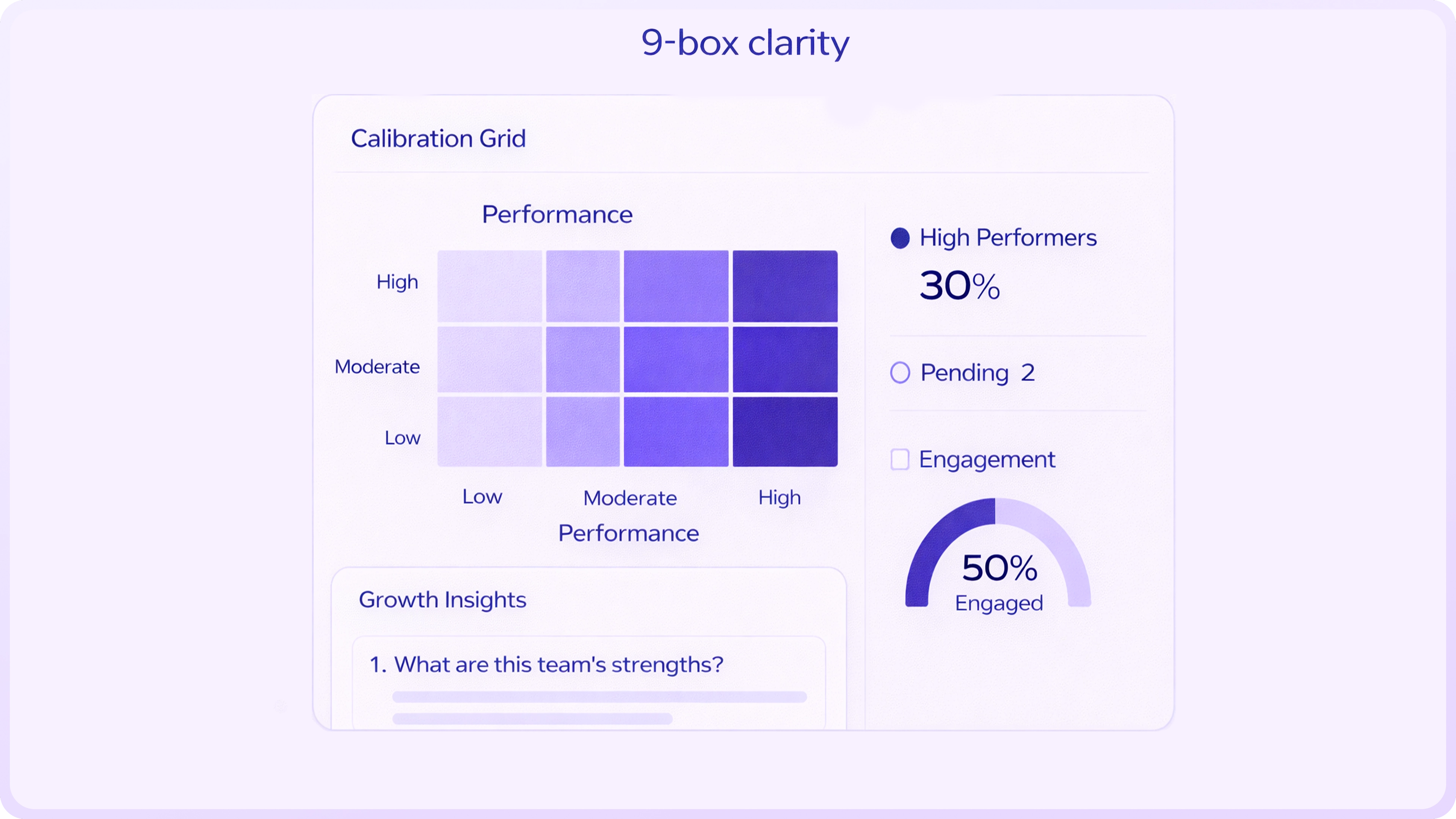
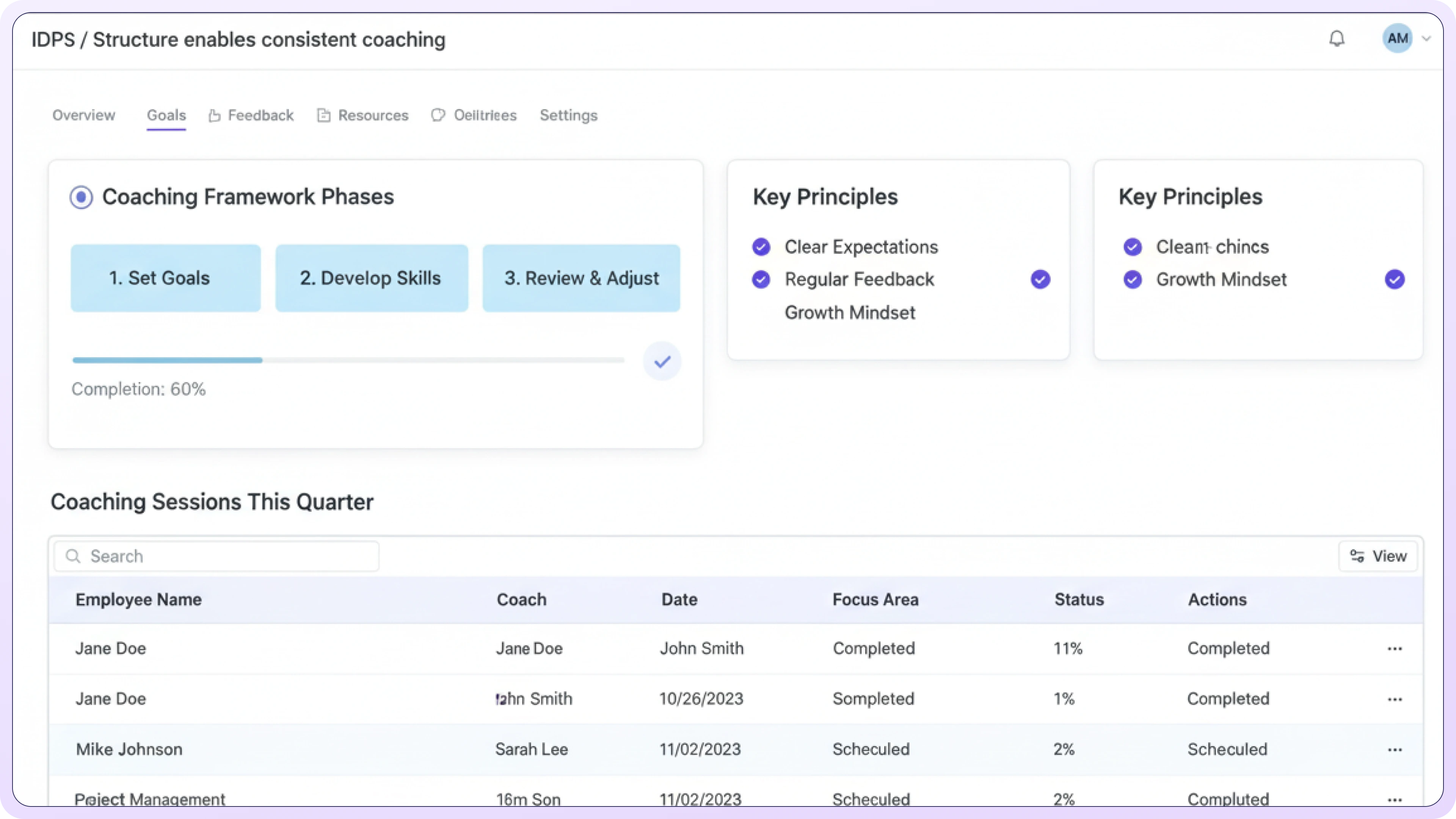
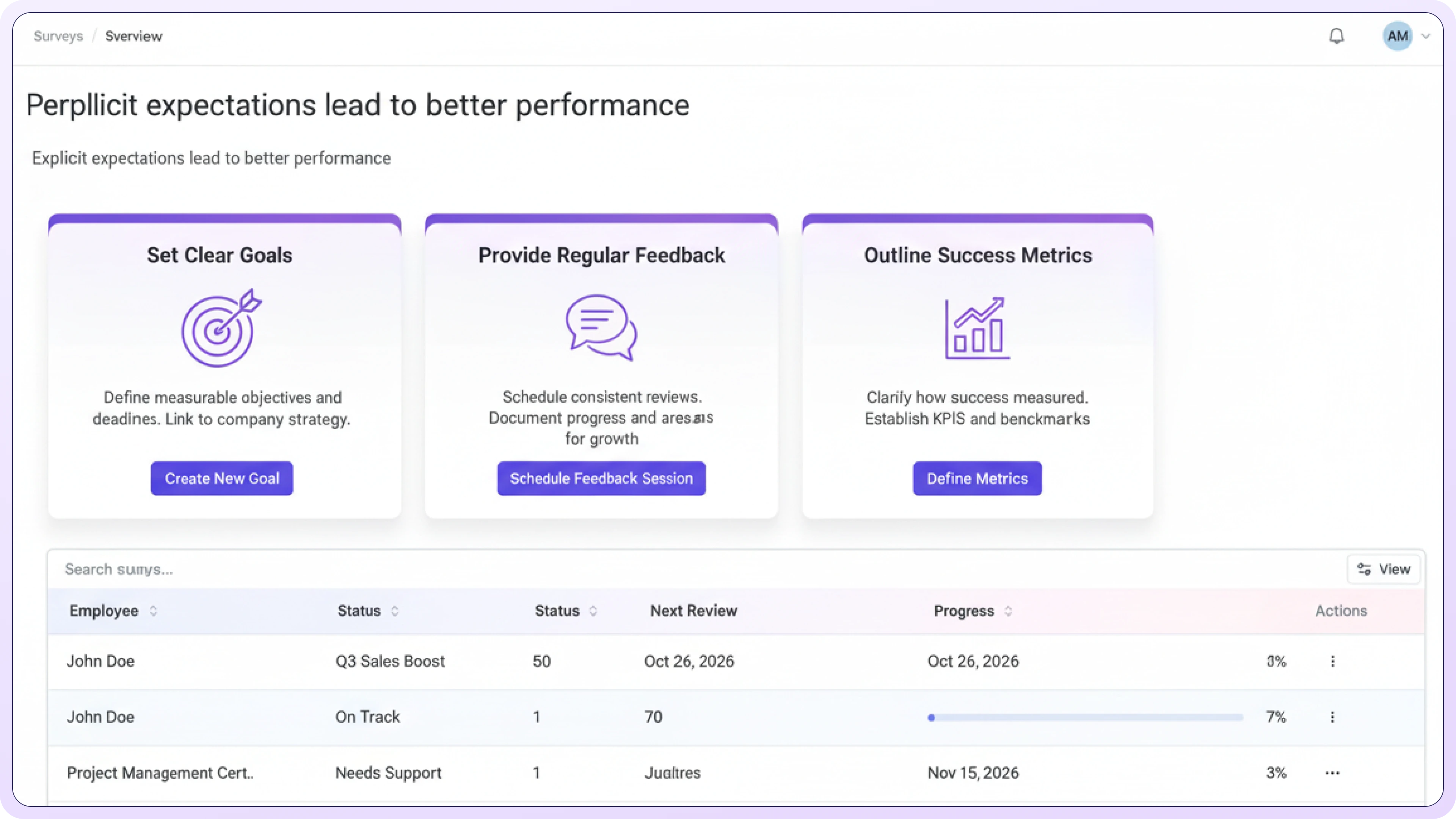
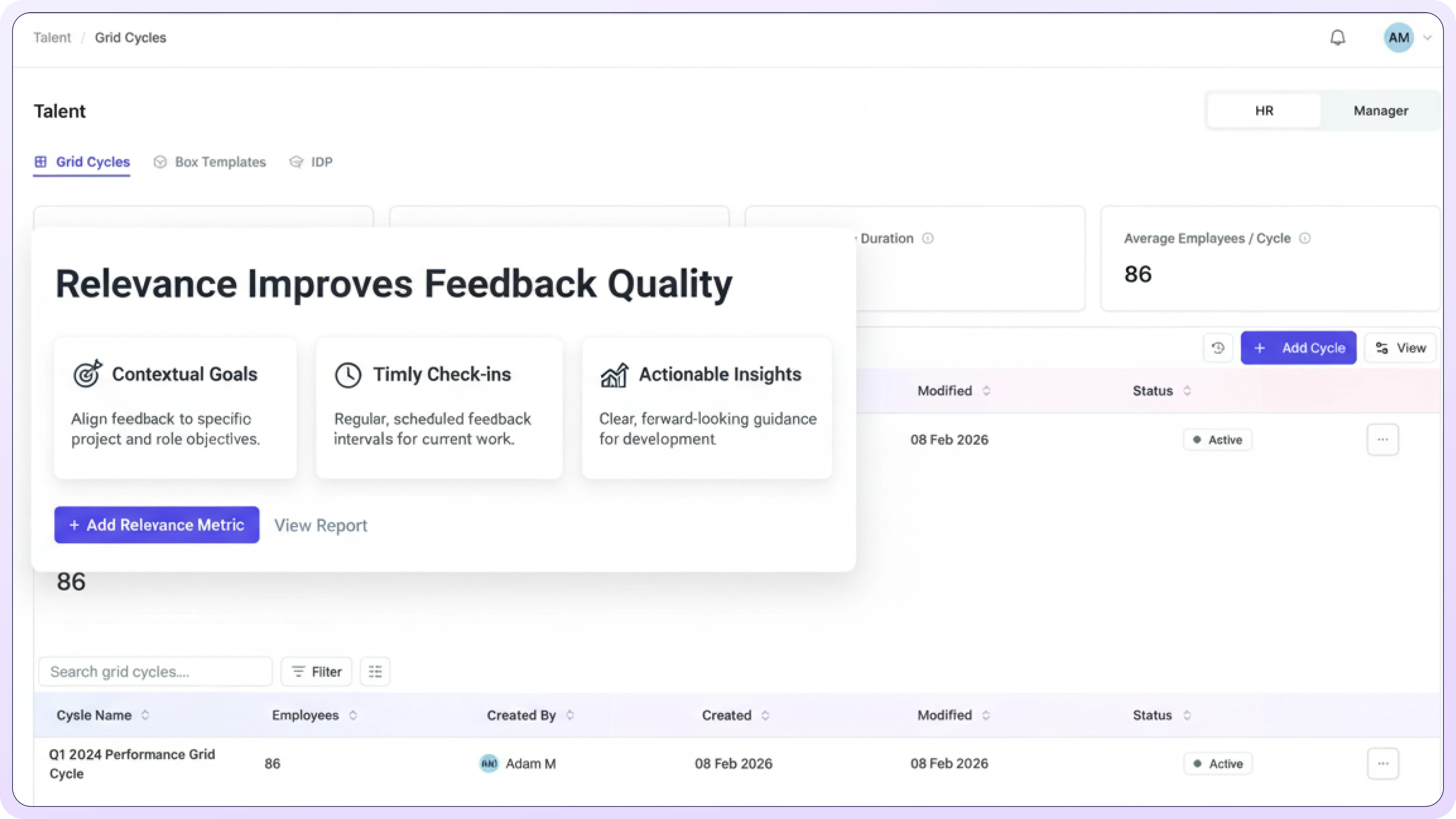
Start with the performance processes you need today and expand without separating performance outcomes from the rest of the employee lifecycle.
Review Performance RequirementsConnected HCM Performance
Performance should create useful next steps, not isolated ratings. TraineryHCM connects goals, conversations, reviews, development actions, learning, compensation, and employee data so outcomes can move into the workflows that follow.
Define role expectations, competencies, goals, review forms, rating scales, participants, timelines, and approval responsibilities before the cycle opens.
Use manager check-ins, feedback and surveys, and goal updates to capture context before the formal review.
Run performance review cycles, collect relevant inputs, and use performance calibration to review evidence and rating consistency.
Convert outcomes into individual development plans, coaching, learning actions, or performance improvement plans when appropriate.
Use each performance workflow as needed while keeping outcomes connected to Core HR, learning and development, compensation, and cross-HCM reporting.
Performance data should move into the workflows that follow. TraineryHCM connects review outcomes to employee records, development plans, learning actions, compensation planning, and cross-HCM reporting.
TraineryHCM explains how performance fits into the connected HCM suite. PerformSpark provides the specialist performance-management product experience and detailed workflow evaluation.
Explore PerformSparkKeep performance context connected to employee data, development, learning, compensation, and reporting instead of managing each outcome in a separate system.
.svg)
.svg)
.svg)
.svg)
.svg)
Bring your current performance workflow and see how reviews, development, learning, compensation, and employee data can work together in one HCM environment.
.svg)

.svg)
.svg)

