
Keep performance conversations connected to goals, follow-ups, development, and employee context. PerformSpark owns the specialist check-in and 1-on-1 workflow; TraineryHCM connects outcomes across the employee lifecycle.
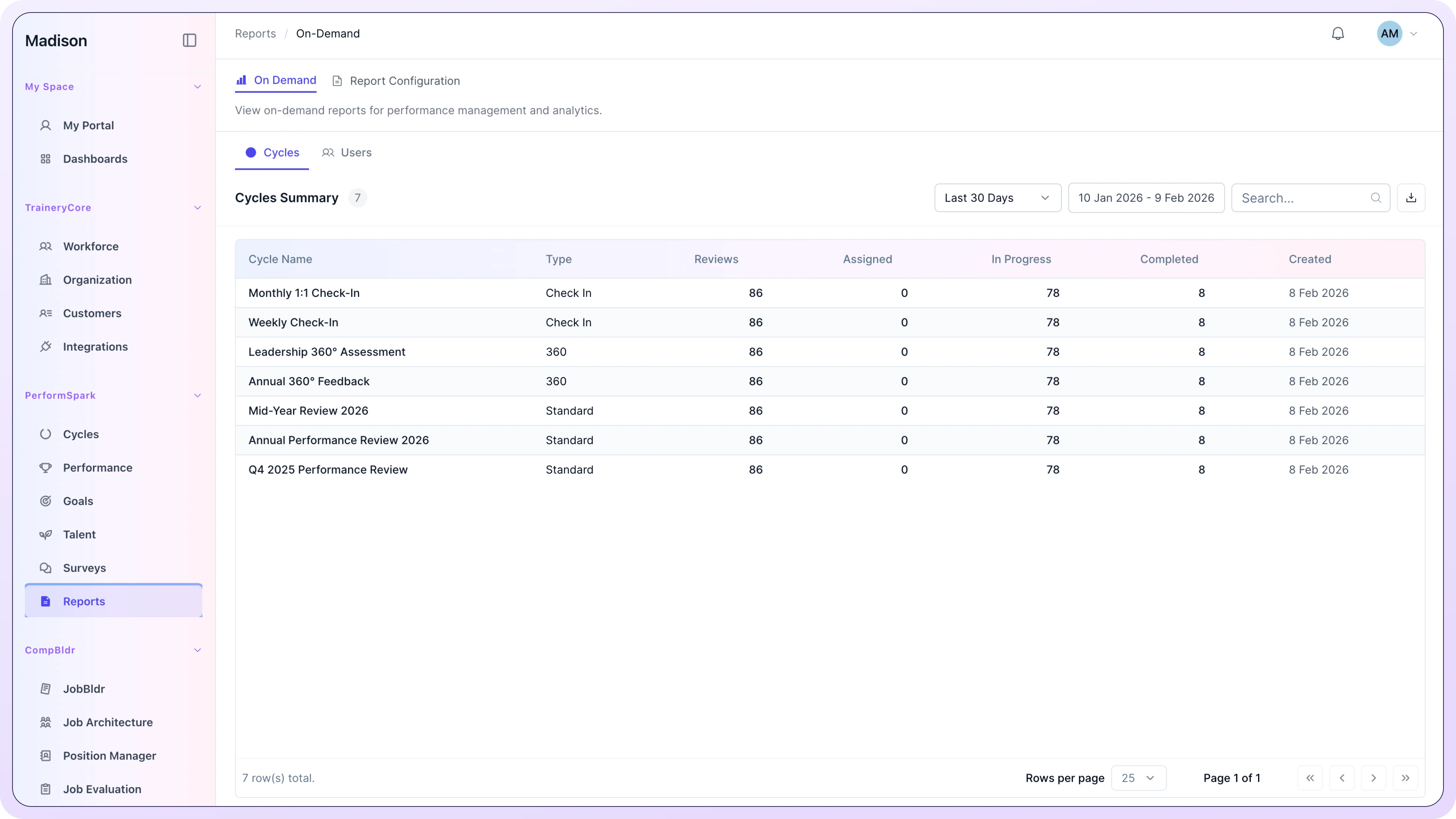
A structured approach transforms 1-on-1s from calendar events into catalysts for growth. Without a consistent framework, 1-on-1s drift into routine updates instead.
.svg)
Specialist check-in configuration and execution live in PerformSpark. TraineryHCM connects relevant conversation context with employee data, goals, development, learning, and reporting.
.svg)
.svg)
.svg)
.svg)
.svg)
.svg)
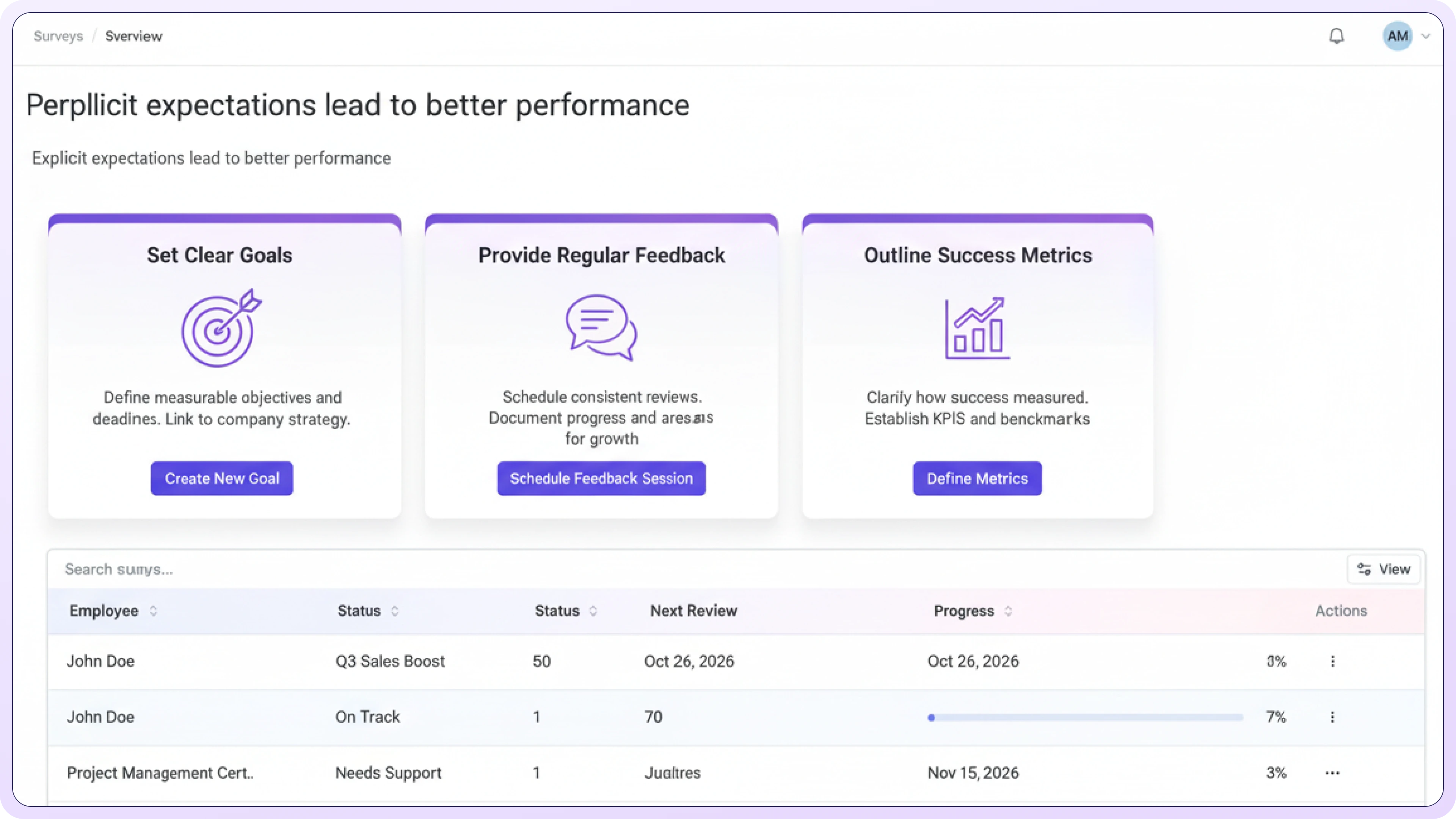
Structured 1-on-1s create momentum by connecting dialogue to goals and next steps.
When conversations happen regularly, employees feel supported, not surprised. Check-ins become a safe space to share progress, challenges, and ideas before issues escalate.
.svg)
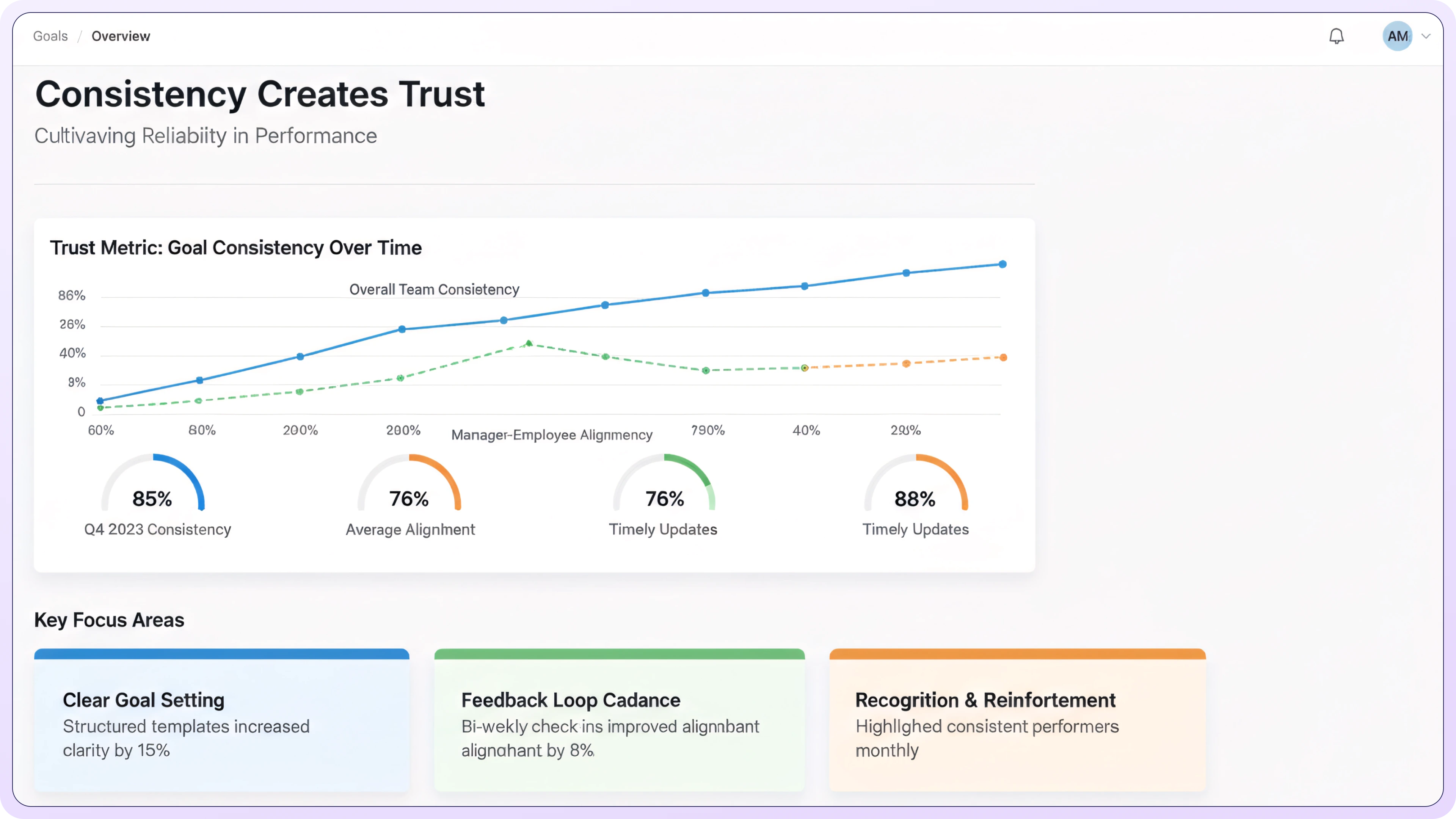
Guided agendas keep discussions intentional and outcome-driven. Time is spent on growth and problem-solving instead of improvising or recapping.
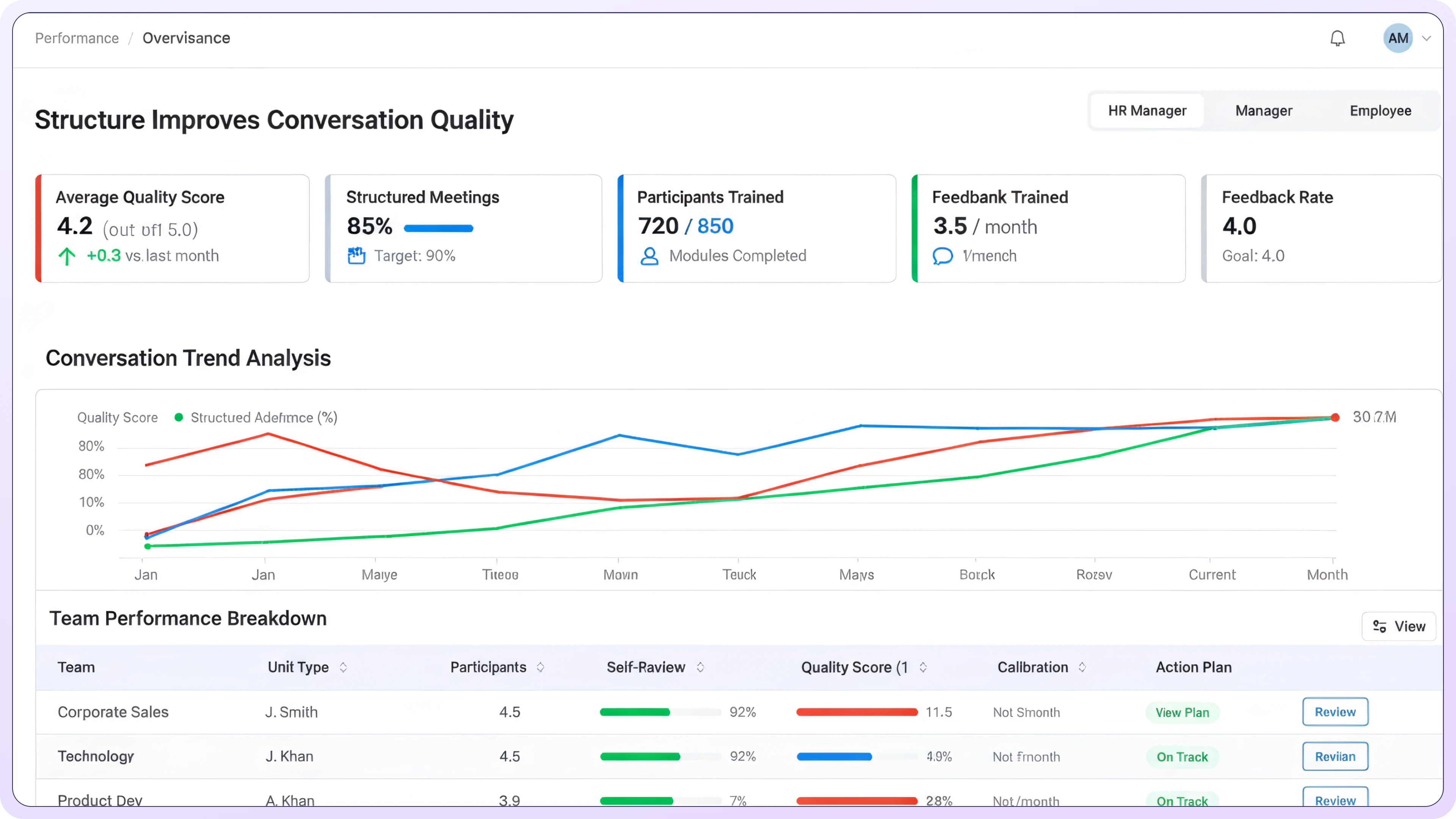
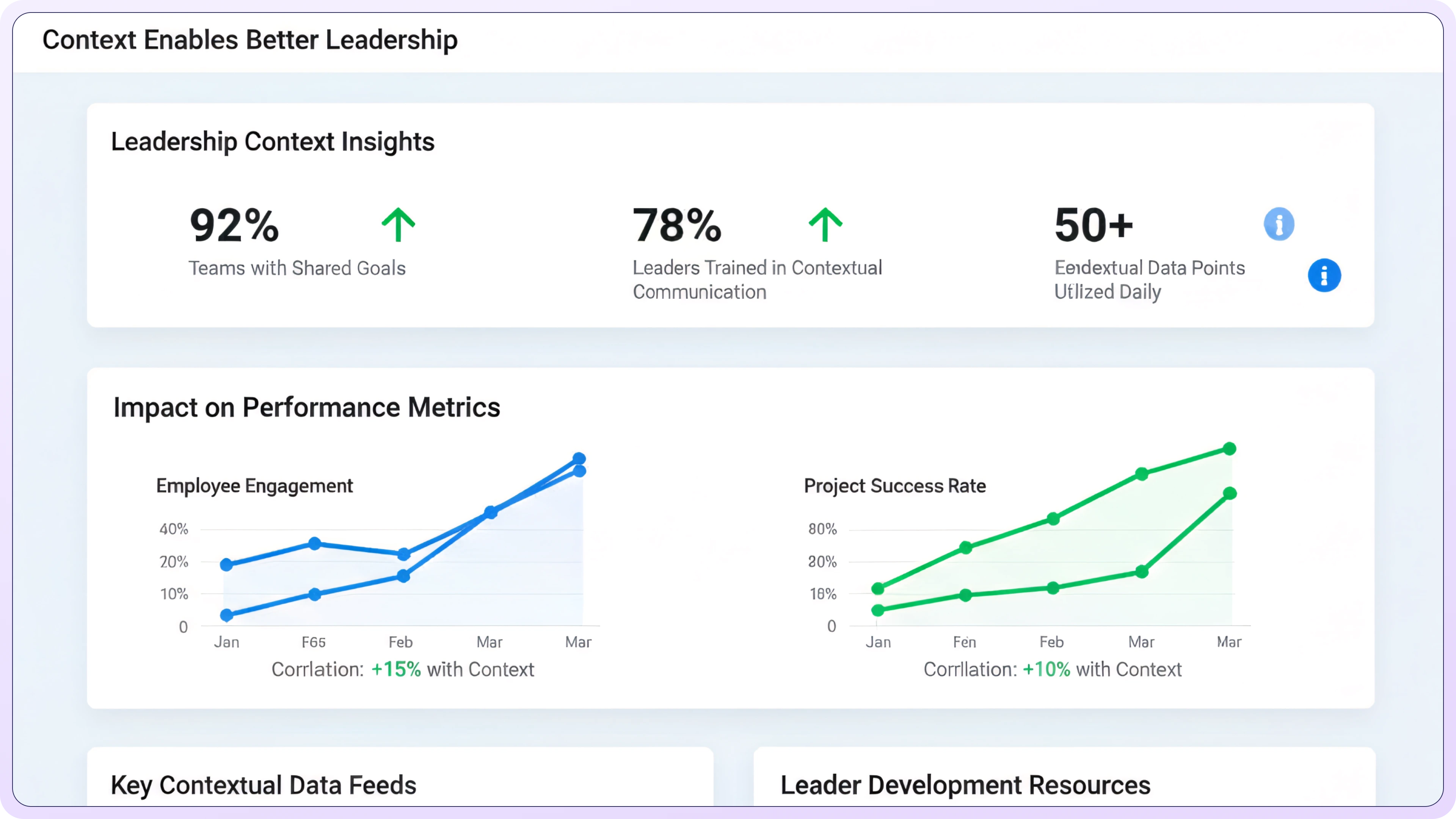
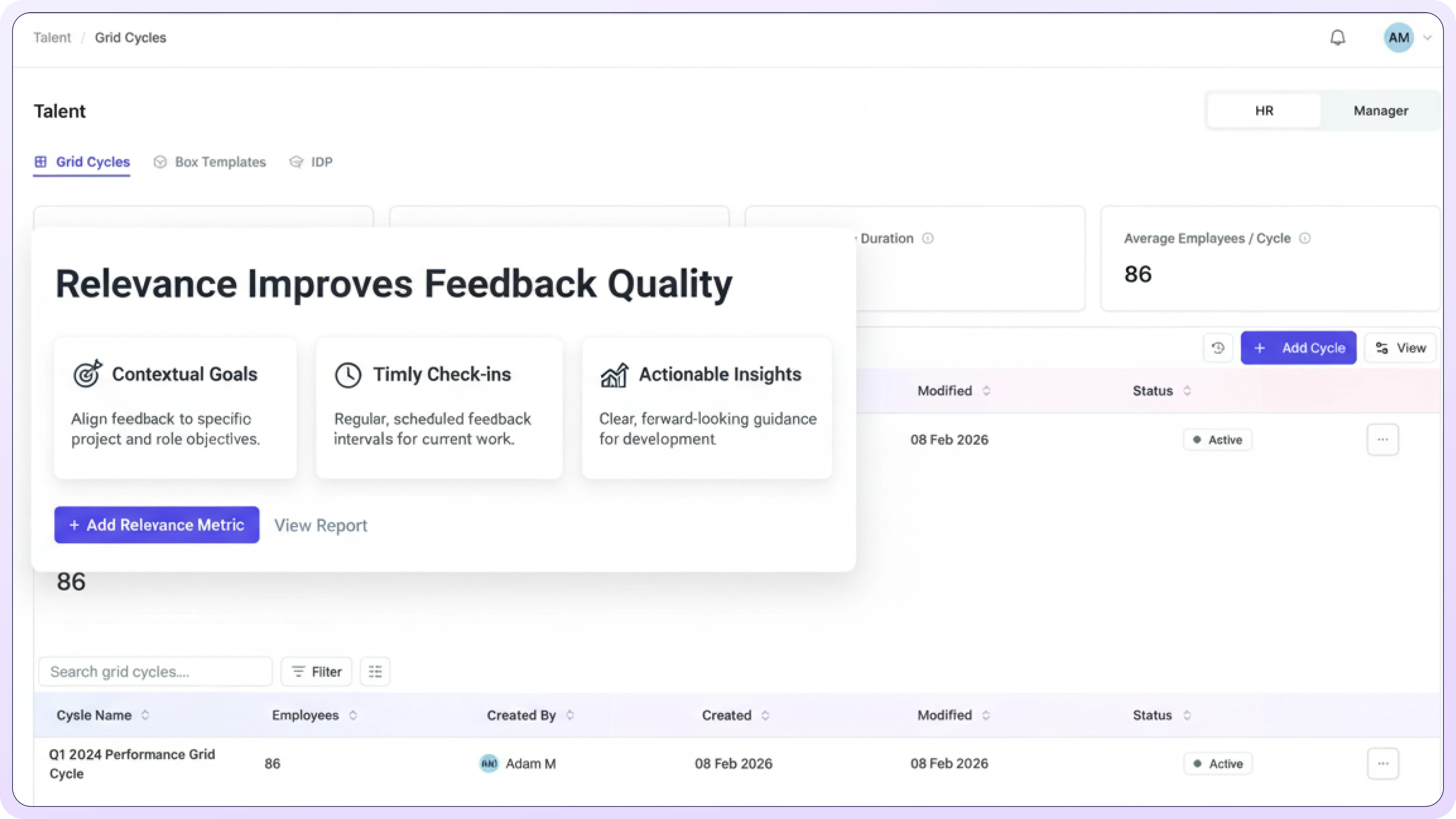
Context enables better leadership. Managers arrive prepared, with a clear understanding of progress, blockers, and history. Conversations shift from catching up to moving forward.
Action items stay visible until completed. Both managers and employees share ownership, keeping progress continuous between meetings.
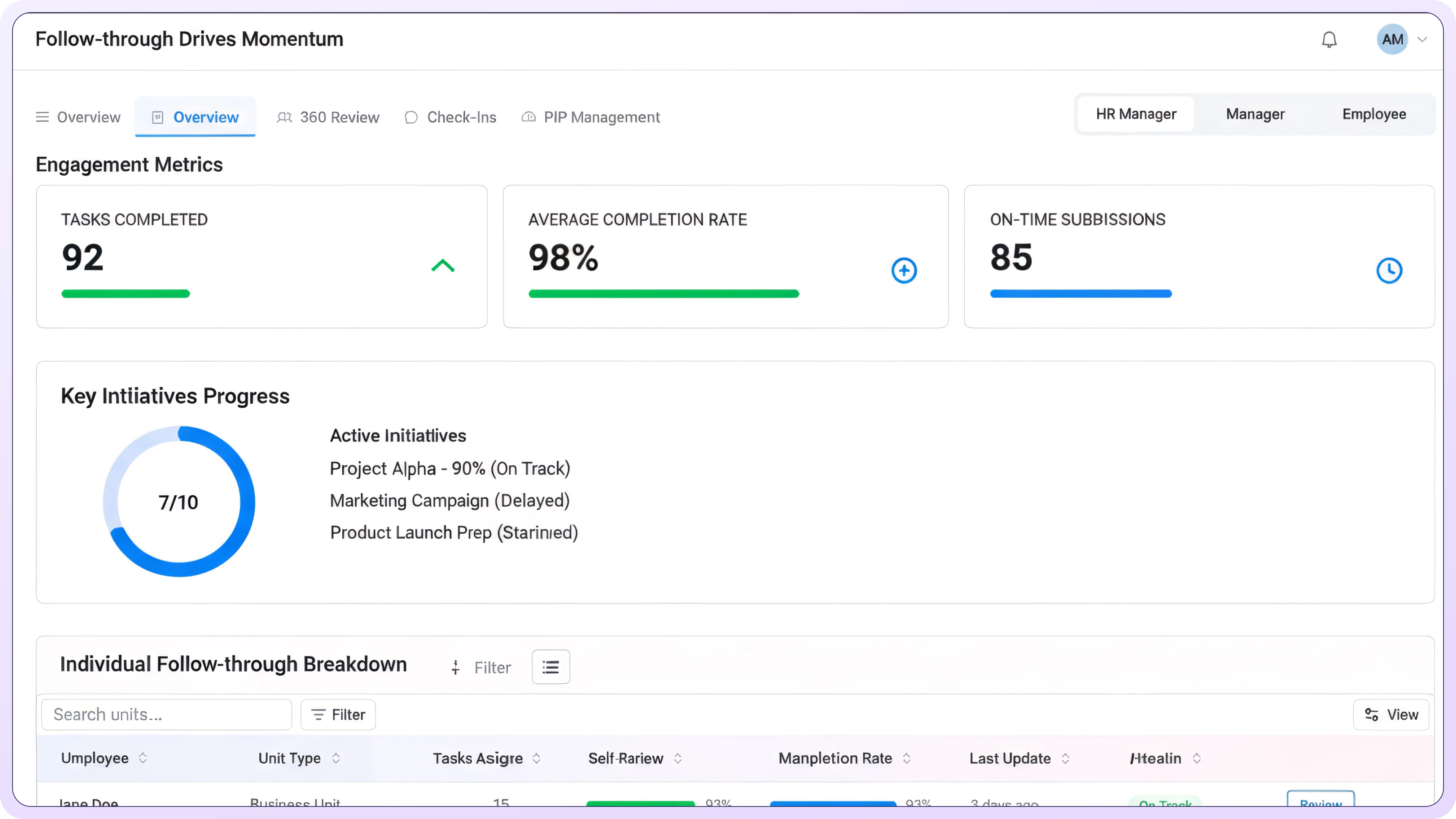
PerformSpark owns the specialist 1-on-1 and performance workflow. TraineryHCM keeps documented outcomes usable across development, learning, employee records, and reporting.
.svg)

.svg)
More than a data feed, this module standardizes, analyzes, and contextualizes market inputs for accurate pay decisions.

Reviews happen once a year and go nowhere.
Learning is random and disconnected from performance.
Compensation decisions feel unclear or unfair.

Reviews kick off learning journeys and promotion paths.
Learning follows performance insights within daily work.
Compensation shows growth and impactful behaviors.
.svg)
Secure, role-based access control with enterprise-grade encryption.
.svg)
Shared visibility for growth without overexposure of sensitive details.
.svg)
Standardize the check-in experience across remote and global teams.
Understand organizational health across roles, regions, and managers.
Eight connected modules designed to work together, so performance conversations are consistent, fair, and focused on growth.
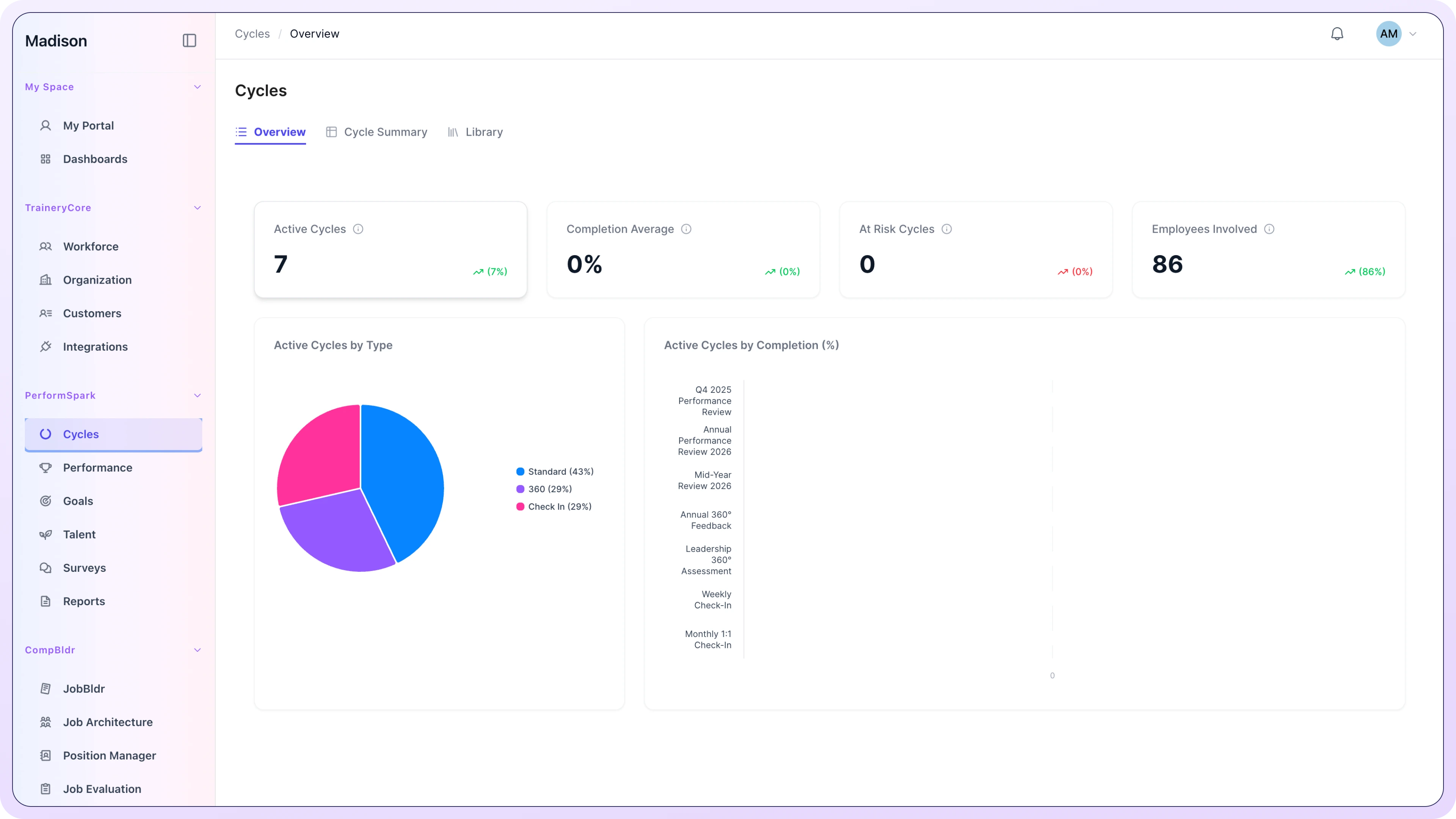
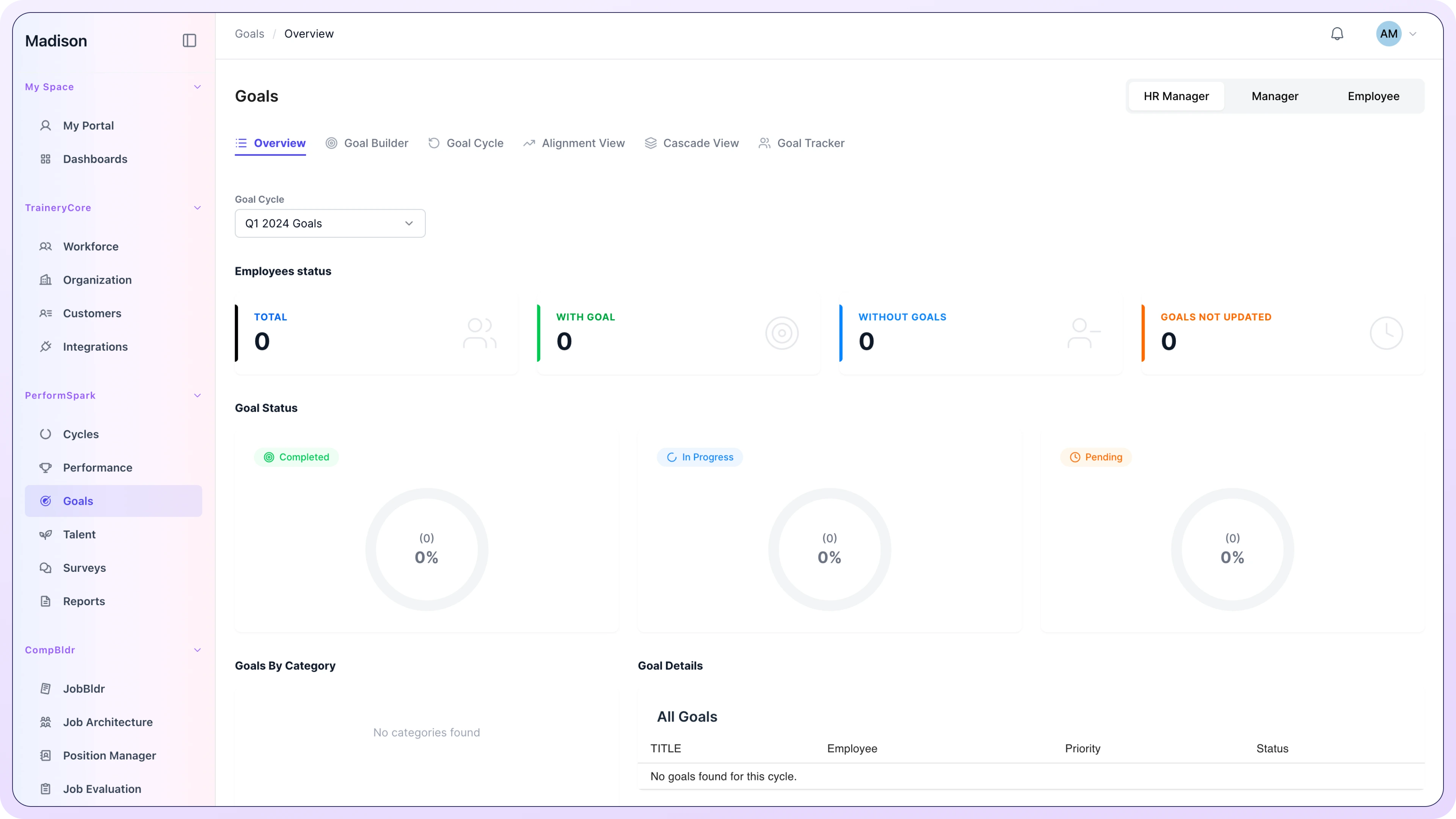
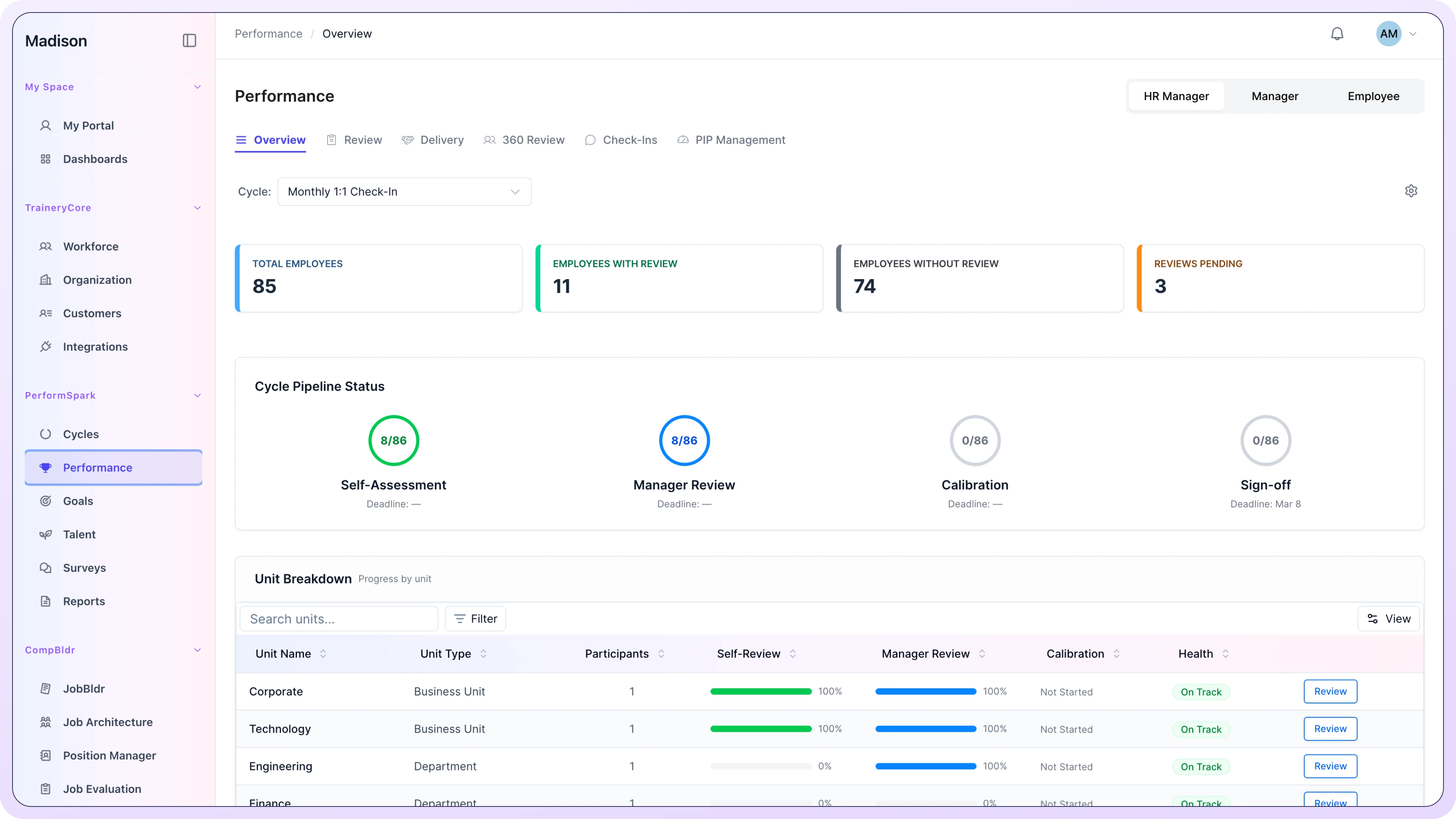
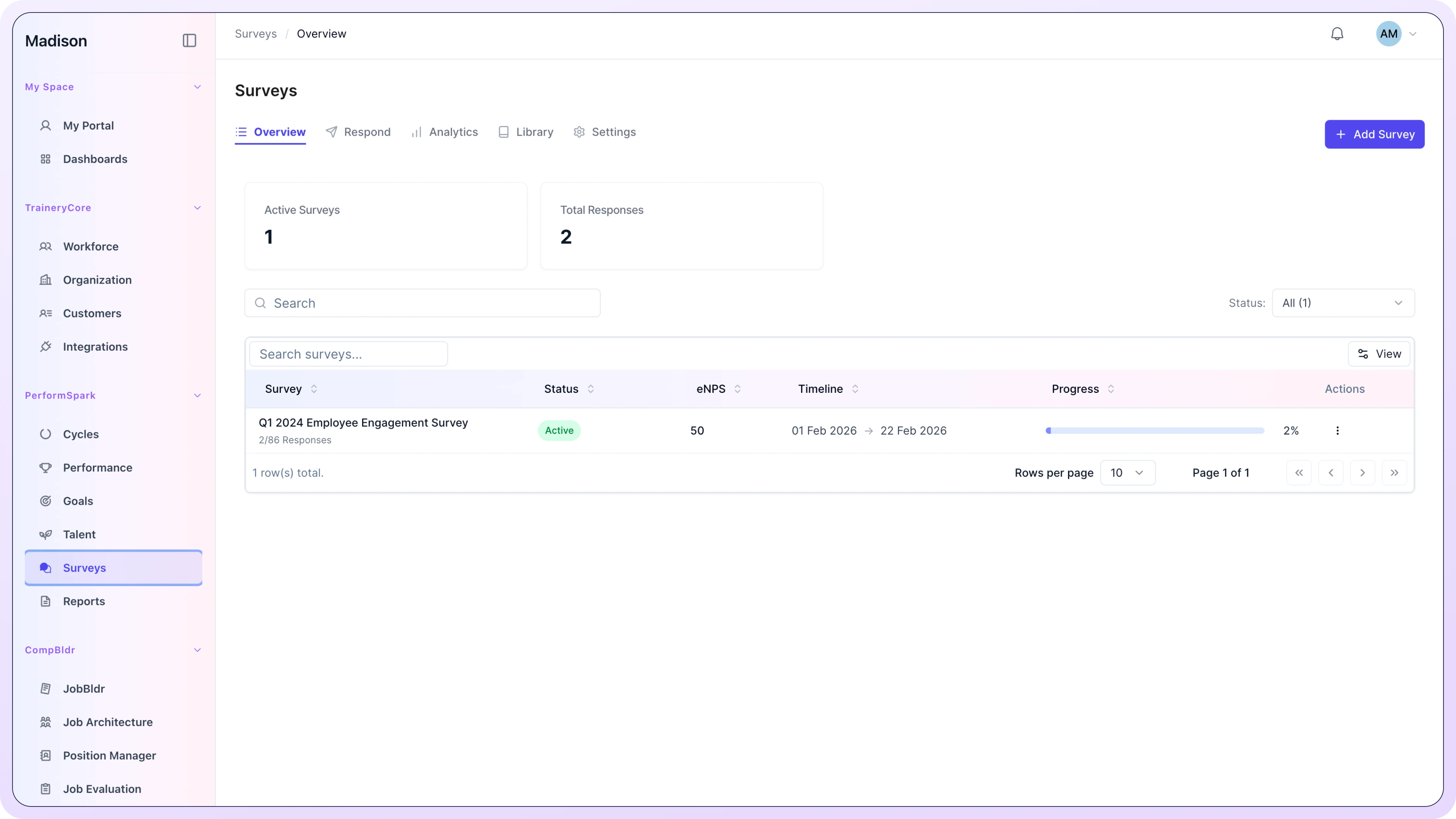
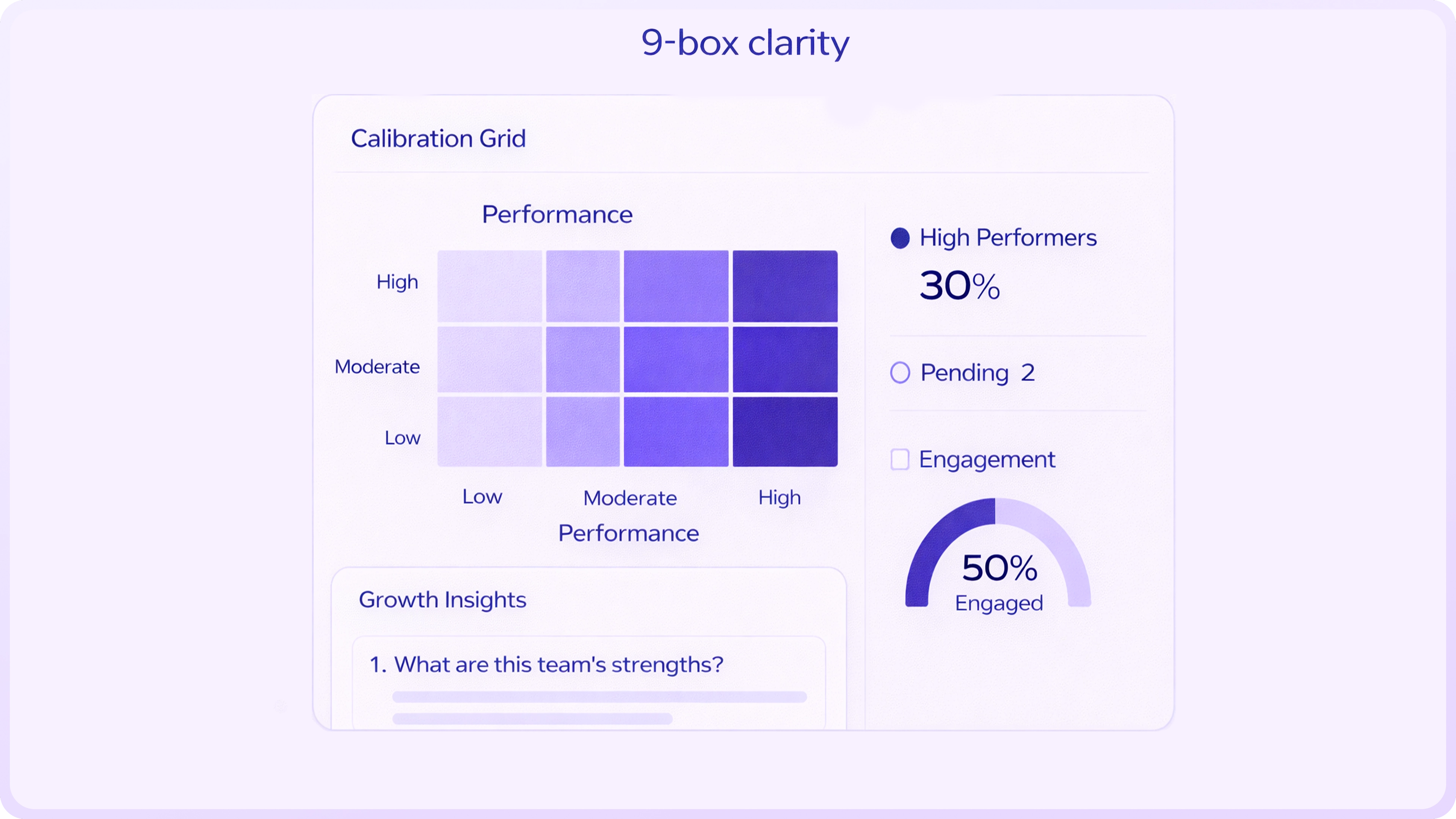
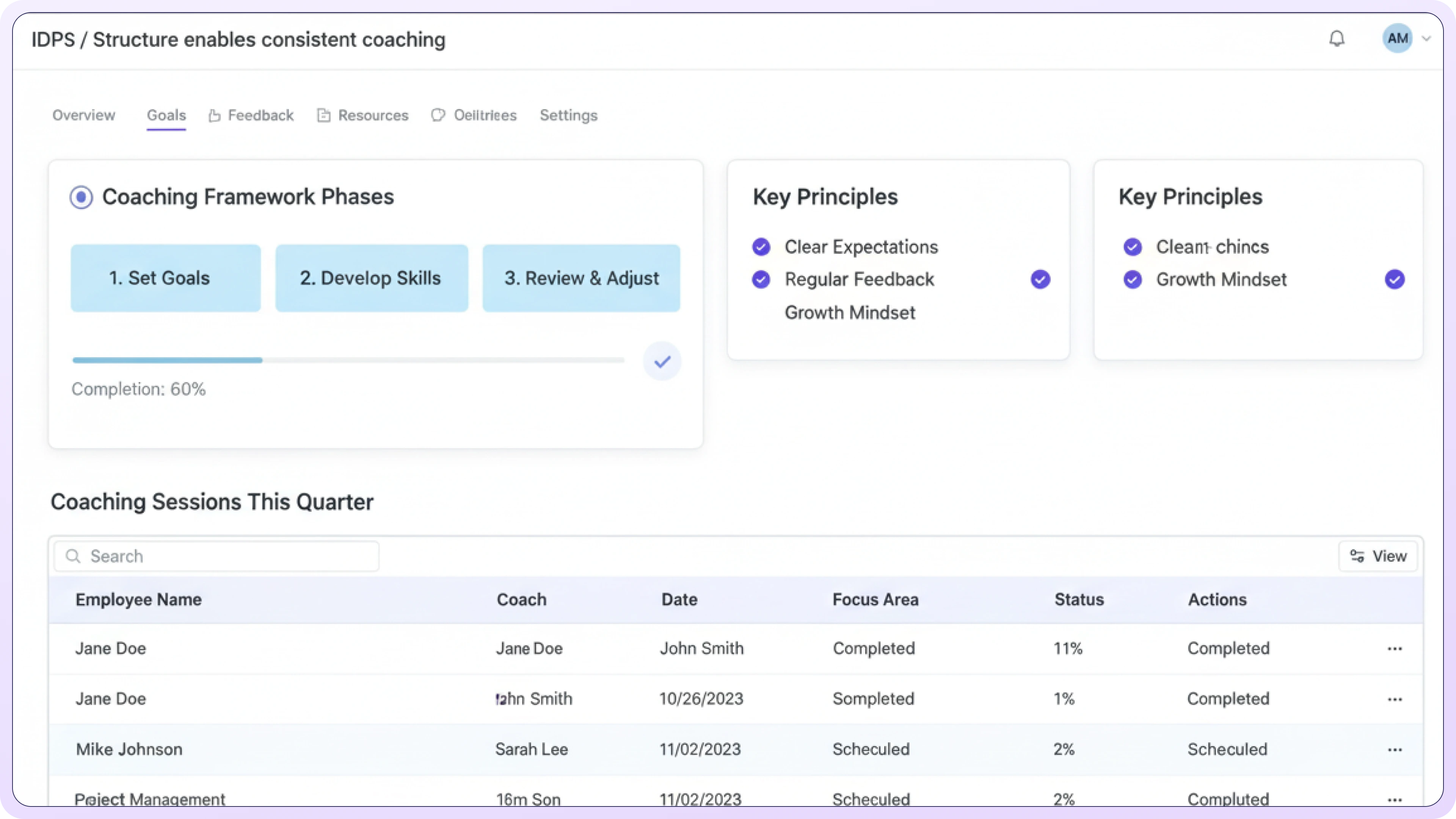
Because growth doesn’t come from more meetings: it comes from better ones.

.svg)

.svg)
.svg)

