.svg)
1. Capture development priorities
Use evidence from performance review cycles, 360-degree feedback, goals and OKRs, and career conversations to define specific capabilities.

Keep development-plan context connected with performance, learning actions, employee data, and reporting across TraineryHCM. PerformSpark handles specialist performance-development workflows.
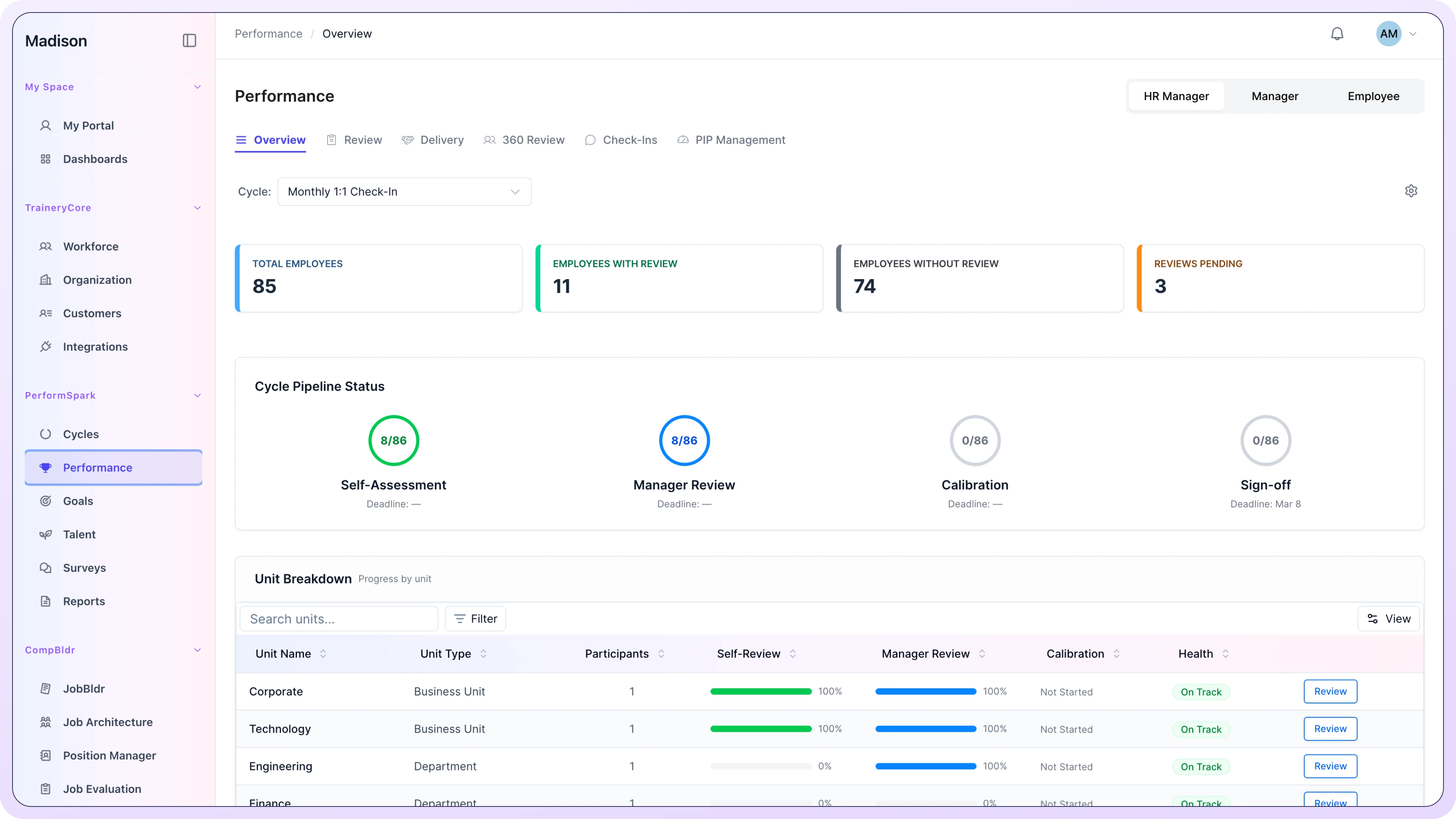
Development plans often fail when goals, learning activities, manager commitments, and progress reviews are stored in separate documents or systems.
A useful IDP keeps the employee, manager, development actions, and review dates connected throughout the plan period.
.svg)
Connect development priorities and outcomes with learning, employee records, reporting, and the wider HCM lifecycle while PerformSpark owns the detailed specialist performance-development workflow.
.svg)

.svg)
.svg)
.svg)
.svg)
Translate development conversations into specific actions, shared responsibilities, measurable progress, and evidence managers can revisit.
Convert review findings, goals, feedback, or career conversations into two or three specific development priorities.
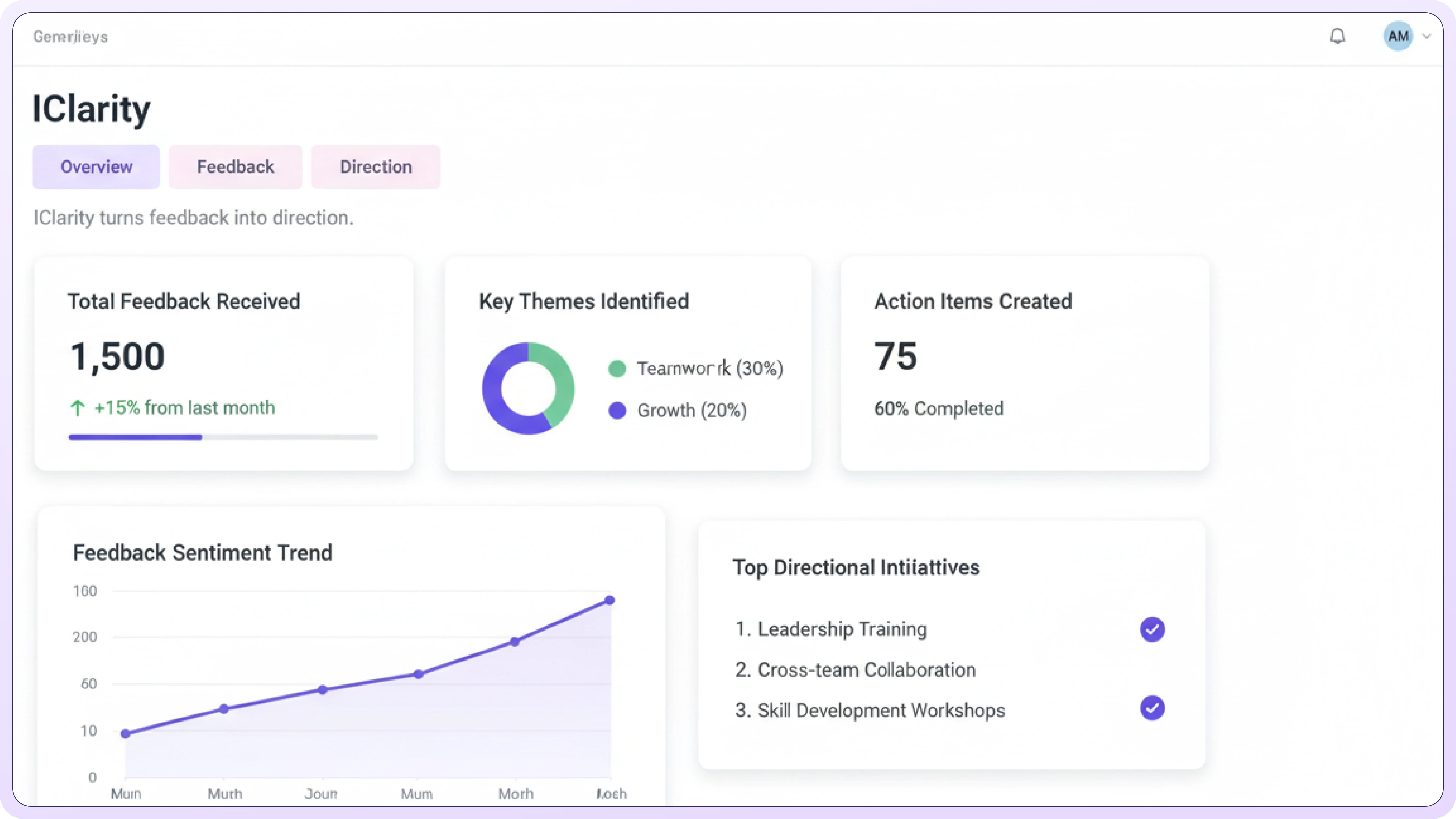
Document learning activities, applied work, coaching, feedback, and the support the manager is expected to provide.
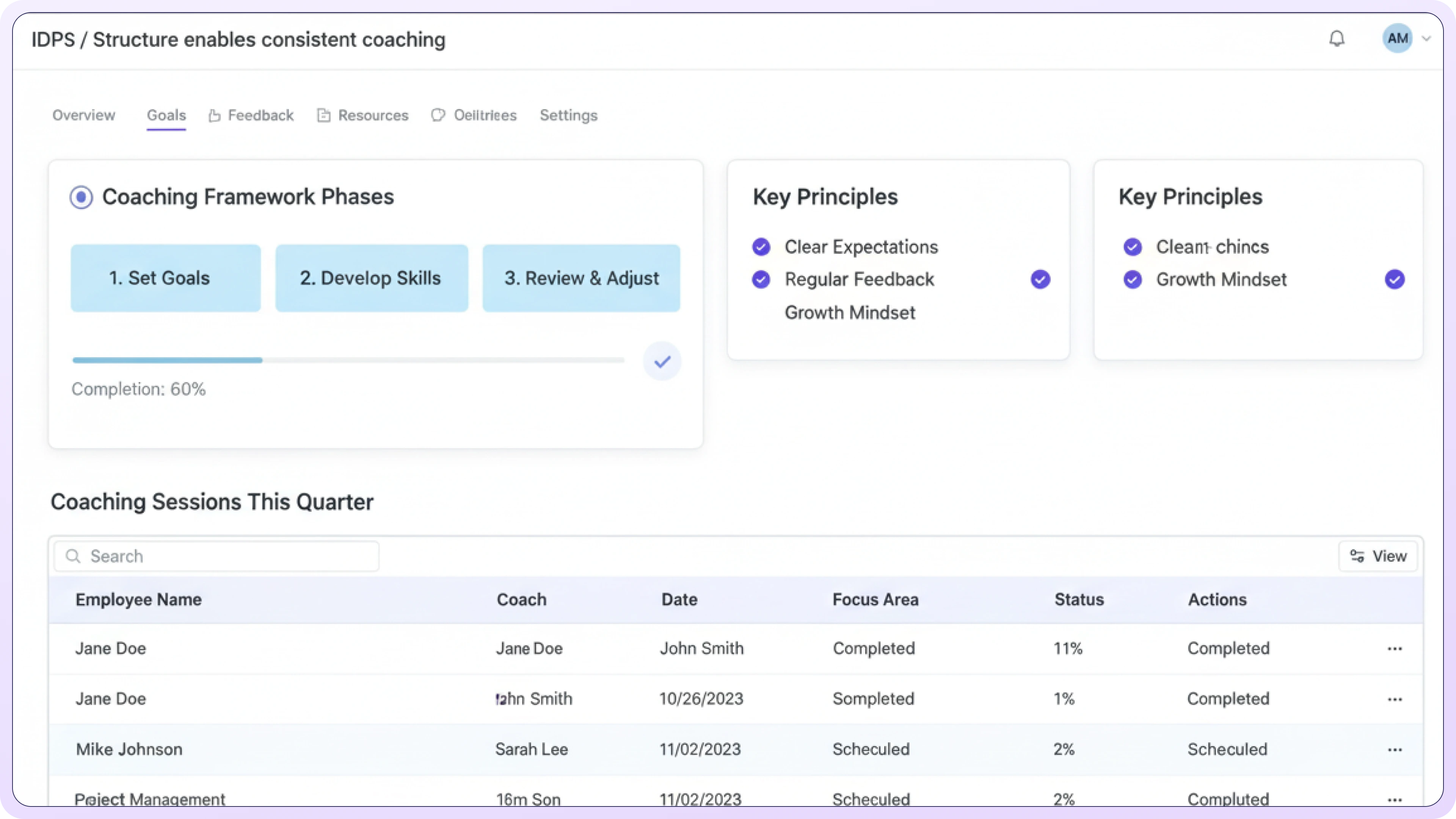
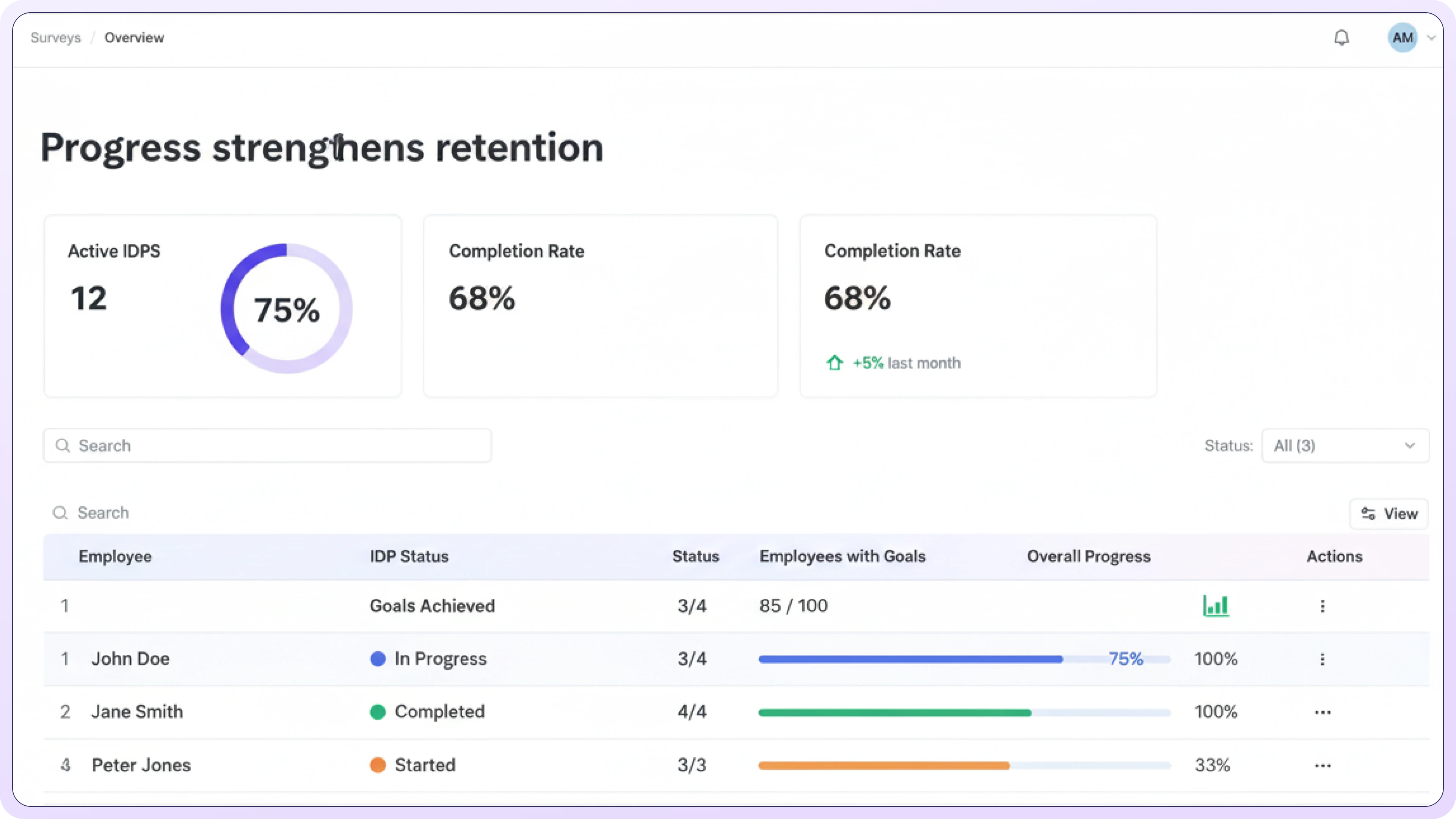
Use milestones, notes, completed activities, and observed application to make progress visible between formal reviews.
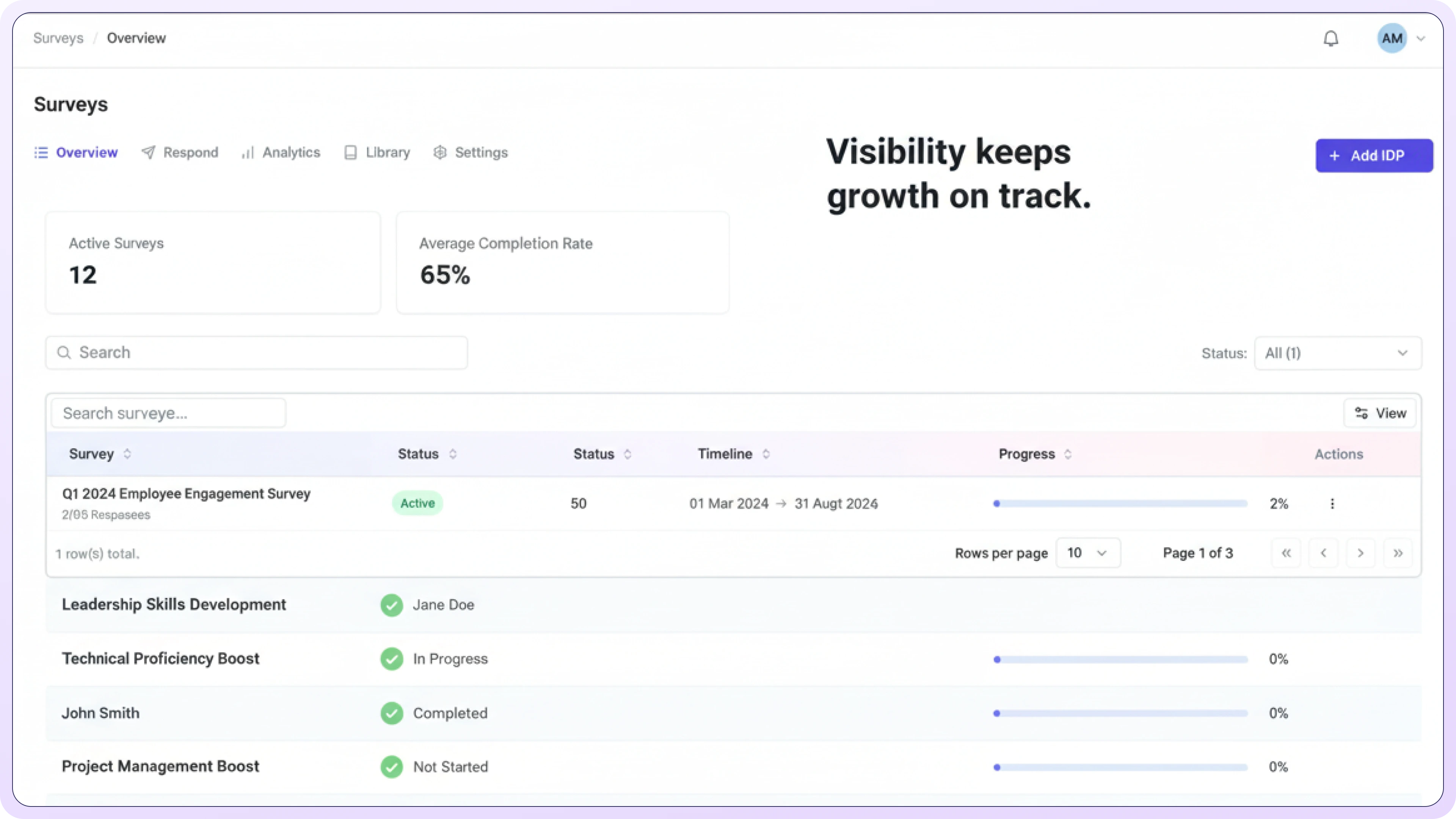
Use current development evidence within performance, learning, career, succession, and talent-review discussions.
Individual development plan software
TraineryHCM connects development-plan context with employee data, learning, reporting, and downstream talent conversations. PerformSpark is the specialist destination for detailed performance-development workflows, while Trainery.ai owns specialist learning, coaching, and credential workflows.
Use evidence from performance review cycles, 360-degree feedback, goals and OKRs, and career conversations to define specific capabilities.
Connect each priority with formal learning through Trainery Learn LMS, structured employee coaching, mentoring, stretch assignments, and applied practice.

Clarify what the employee will complete and how the manager will support progress through opportunities, feedback, time, introductions, and recurring check-ins and one-on-ones.

Track milestones, completed actions, notes, and observed application. Use connected reporting and analytics to review activity and follow-through across employee populations.
Need a document to copy? Use the free individual development plan template. This product page is for organizations evaluating software to manage IDPs consistently at scale.
For broader selection requirements, review the performance management software buyer's guide, security controls, and pricing and packaging.
Explore IDPs in PerformSpark
.svg)
Use development plans alongside goals, reviews, feedback, check-ins, calibration, coaching, and reporting without treating every workflow as a separate system.
.svg)
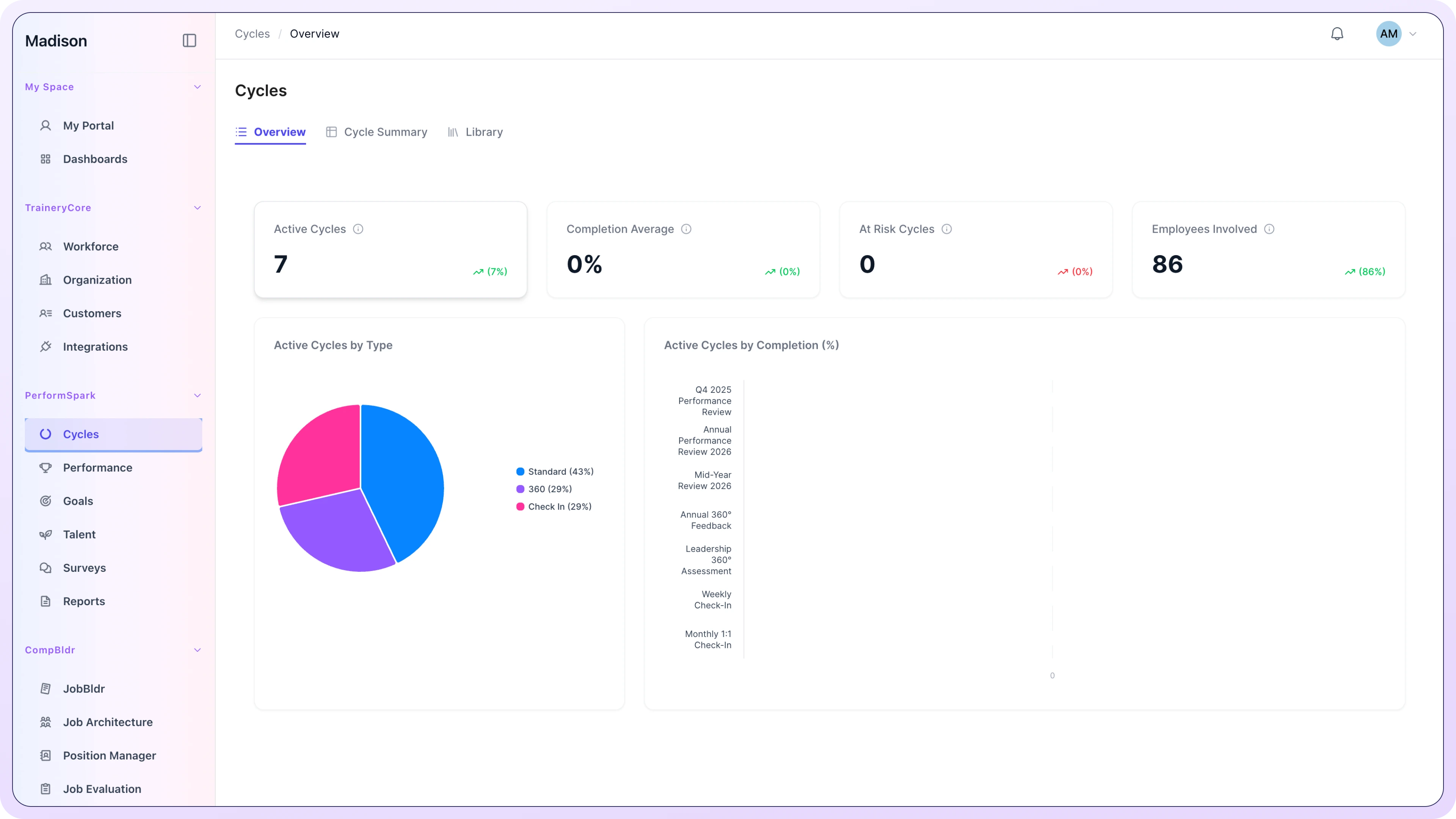
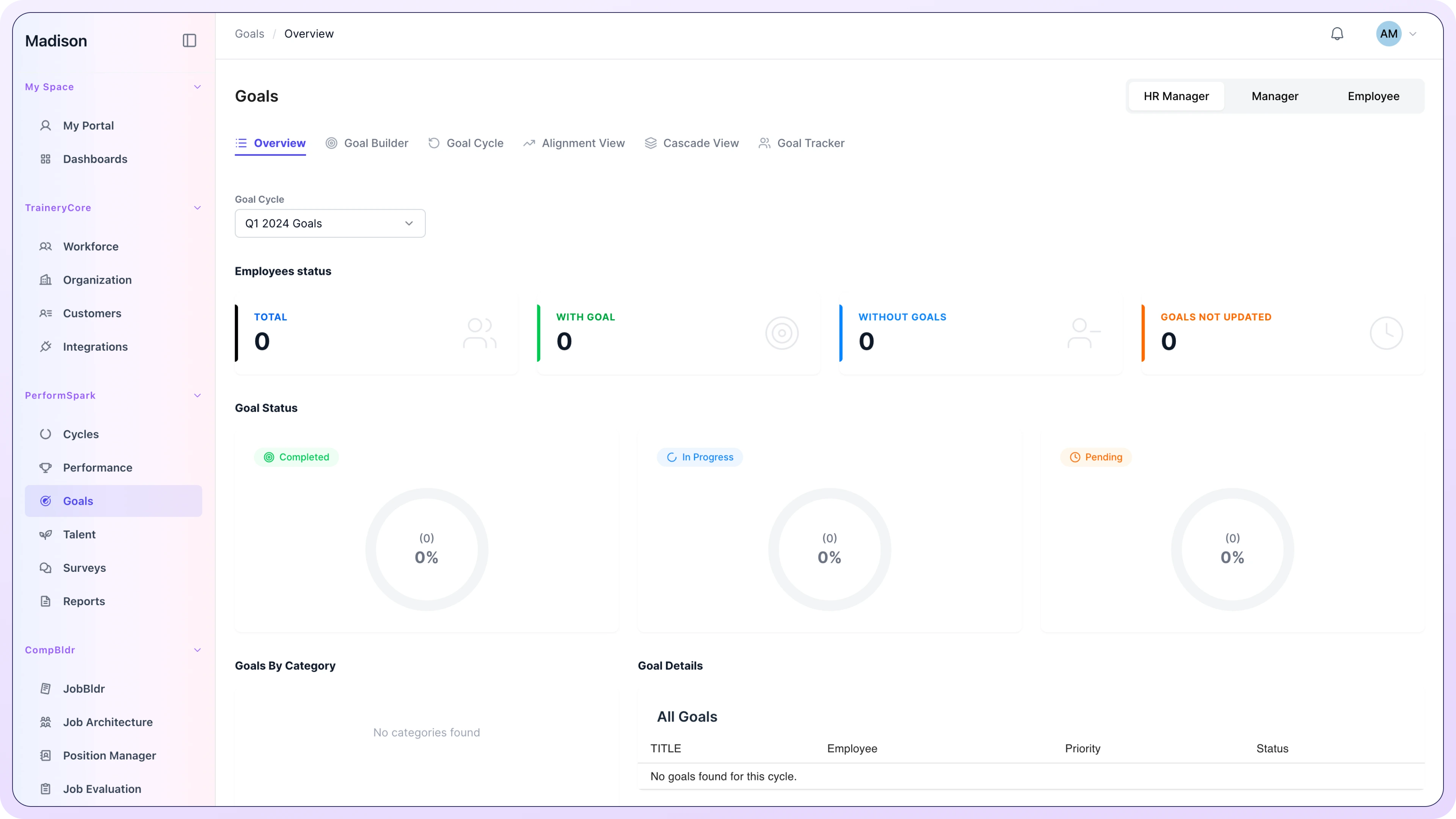
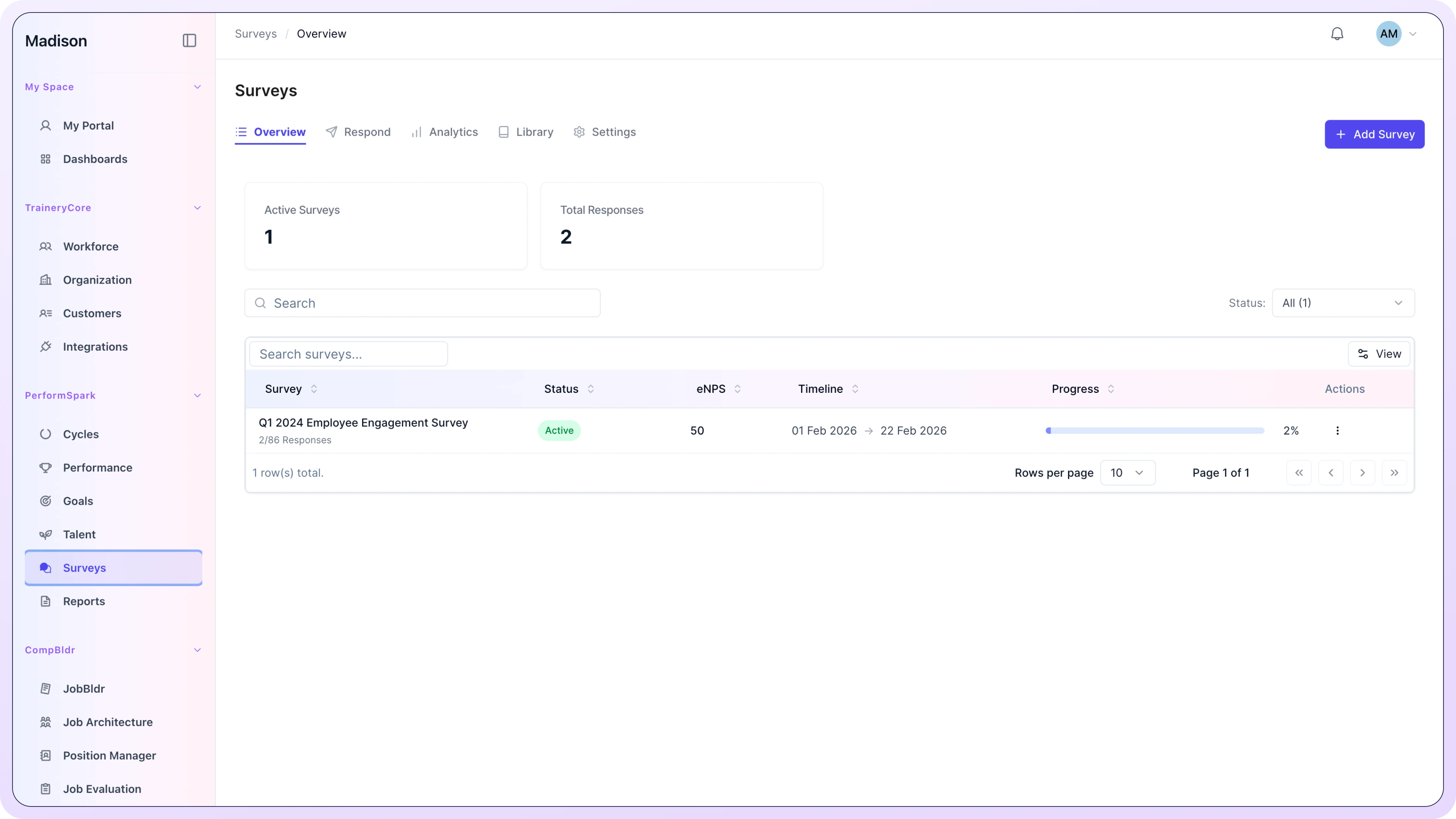
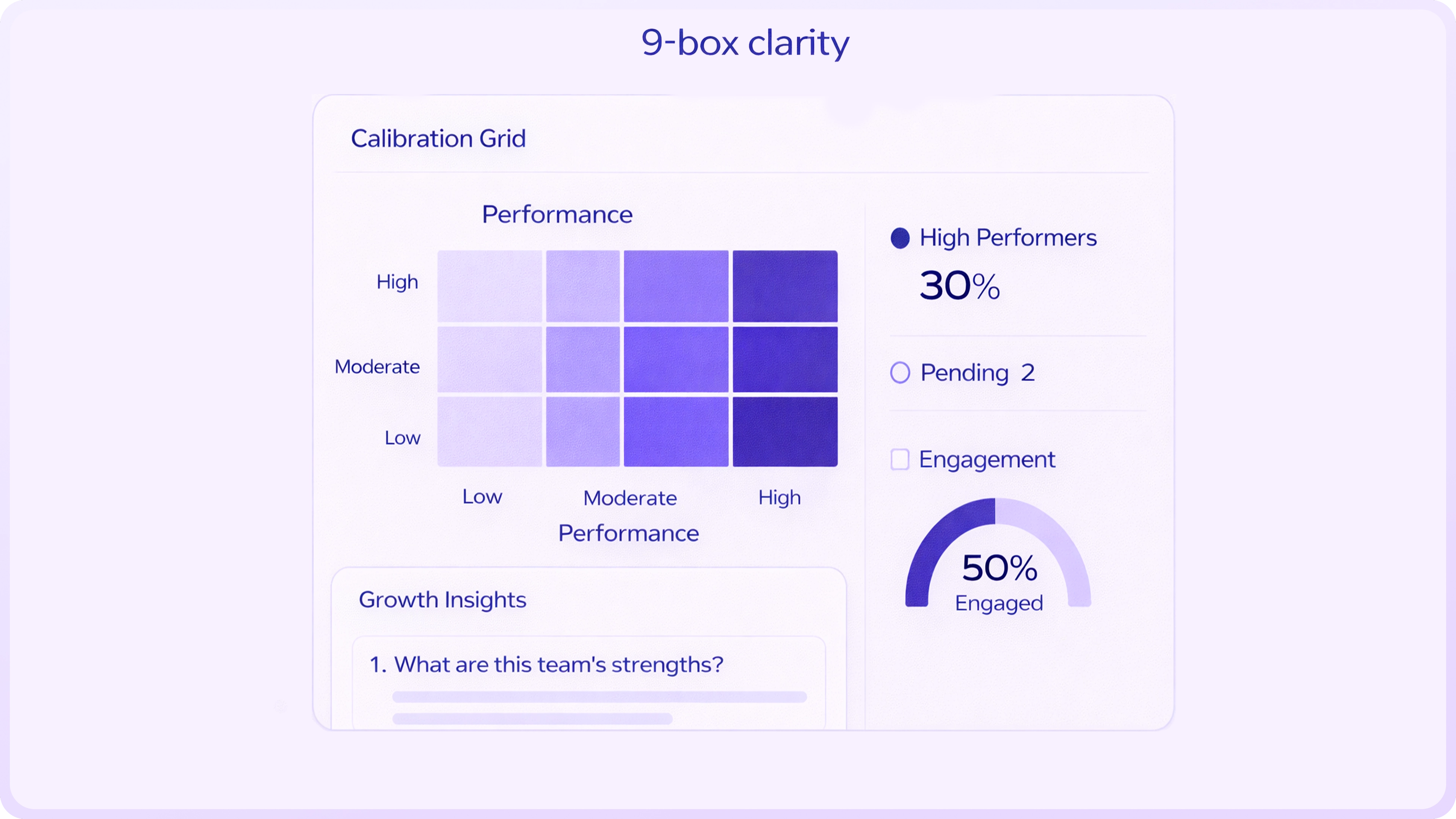
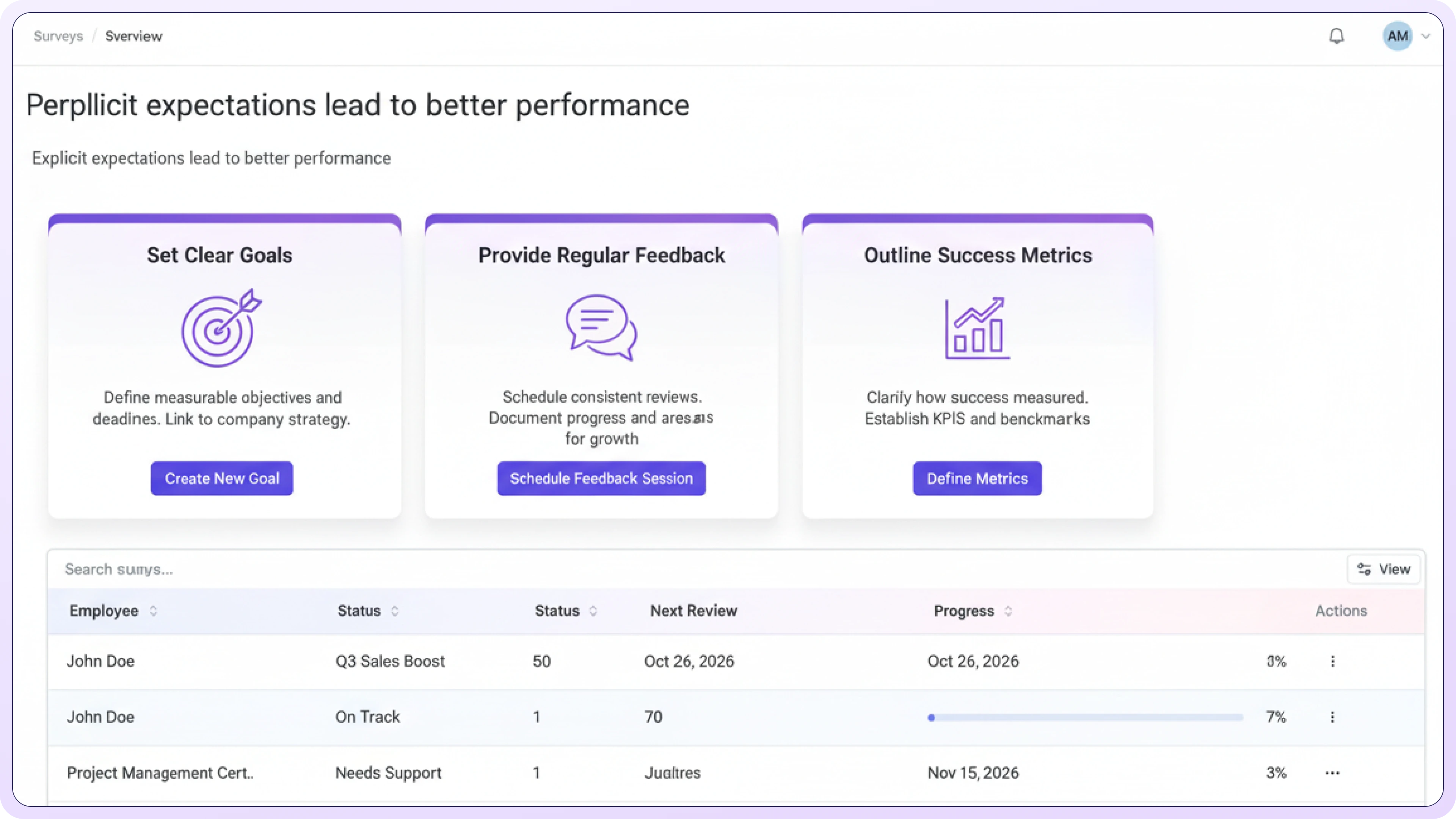
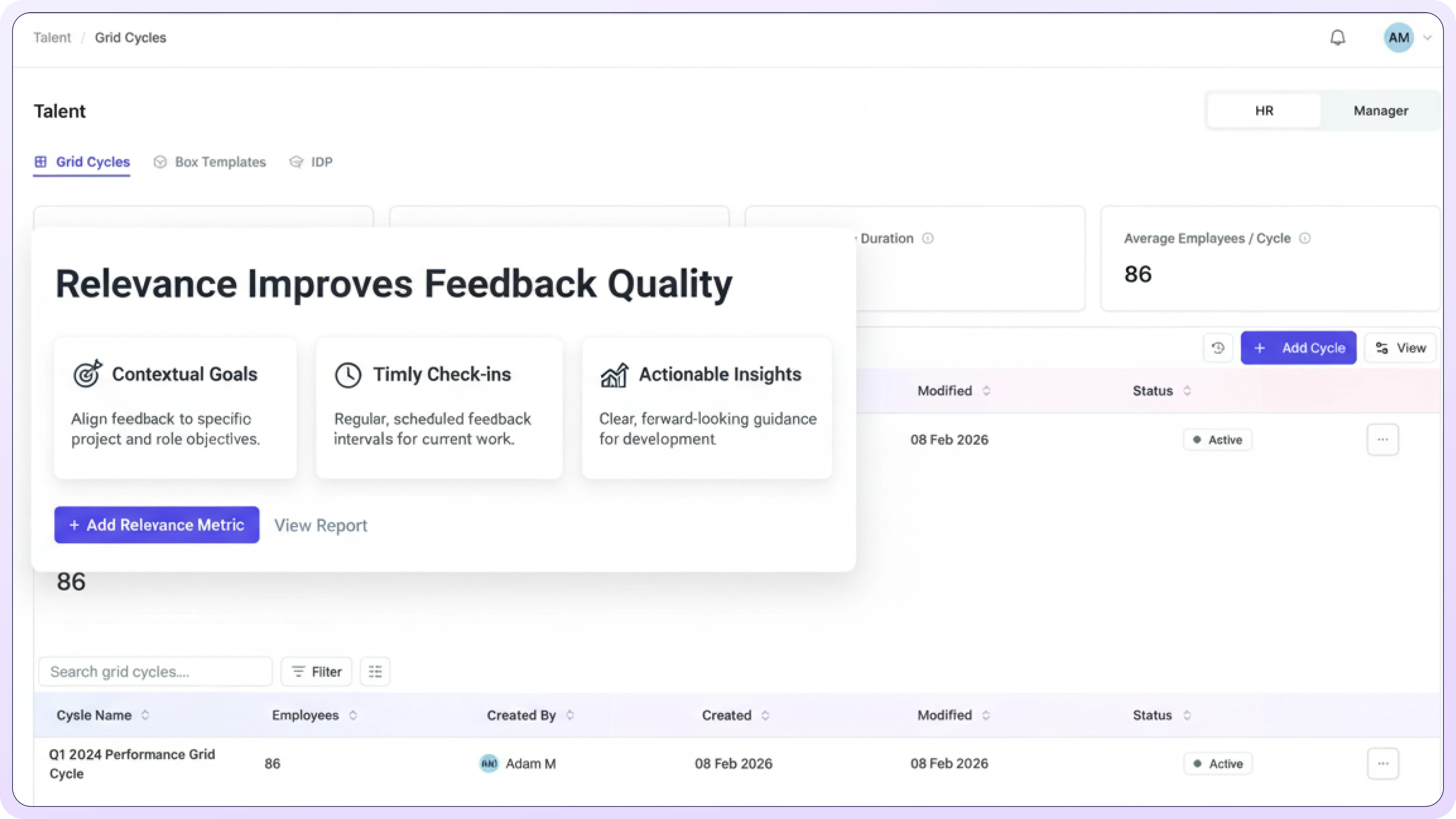
See how development-plan context connects with employee data, learning, reporting, and the wider HCM lifecycle. Use PerformSpark for specialist performance-development workflows.
.svg)

.svg)
.svg)

