
Connect Goals to Performance and the Employee Lifecycle
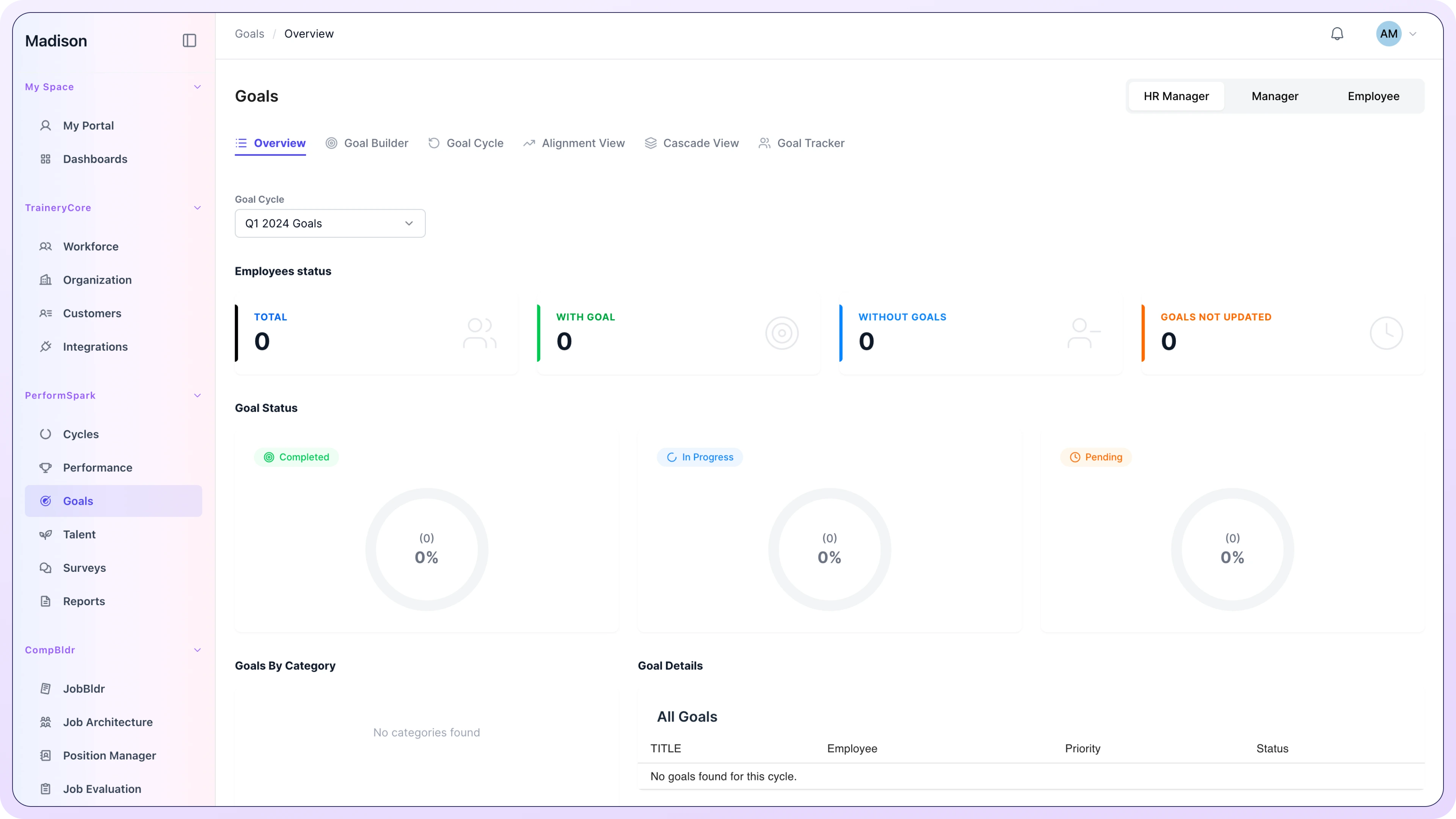
Keep goals visible across performance conversations and connect finalized goal context with development, learning, employee data, and reporting. PerformSpark owns the specialist goal-management workflow.
Why Traditional Reviews Fall Short

Reviews happen once a year and go nowhere.
Learning is random and disconnected from performance.
Compensation decisions feel unclear or unfair.
How Connected Goal Context Improves the HCM Workflow

Goal outcomes can inform development conversations and documented career planning.
Learning follows performance insights within daily work.
Where compensation philosophy permits, finalized performance context can be one input to compensation decisions.
Goals Create Motion, Not Momentum
Most organizations set goals with good intent, but momentum fades once work begins. Static tracking leads to disconnected teams.
"PerformSpark keeps goals visible, relevant, and connected to everyday work, turning a set-and-forget ritual into a living system for results."
What usually goes wrong:
.svg)
Everything teams need to stay aligned
Specialist goal configuration and execution live in PerformSpark; TraineryHCM keeps the resulting context connected to the wider employee lifecycle.
.svg)
Clear, Measurable Goals
.svg)
Cascading Alignment
.svg)
Real-Time Progress Tracking
.svg)
Actionable Insights
.svg)
Shared Visibility
.svg)
Goal-Driven Conversations
Turning Conversations into Action
Goals don’t stop at intent. Progress is tracked, ownership is clear, and results are
visible at every stage.
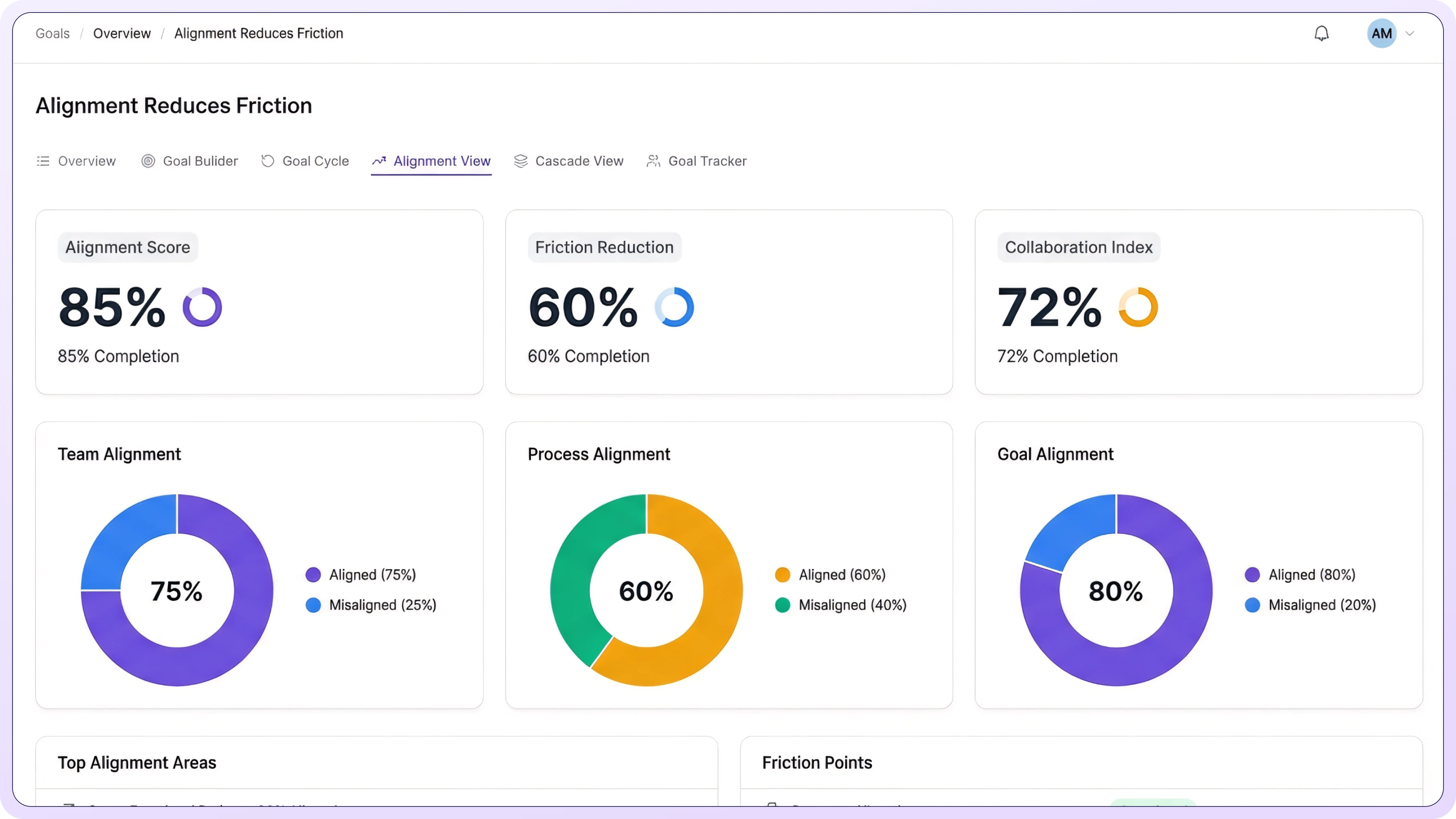
Clarity creates focus
Alignment concentrates effort on the outcomes that matter most.
.svg)
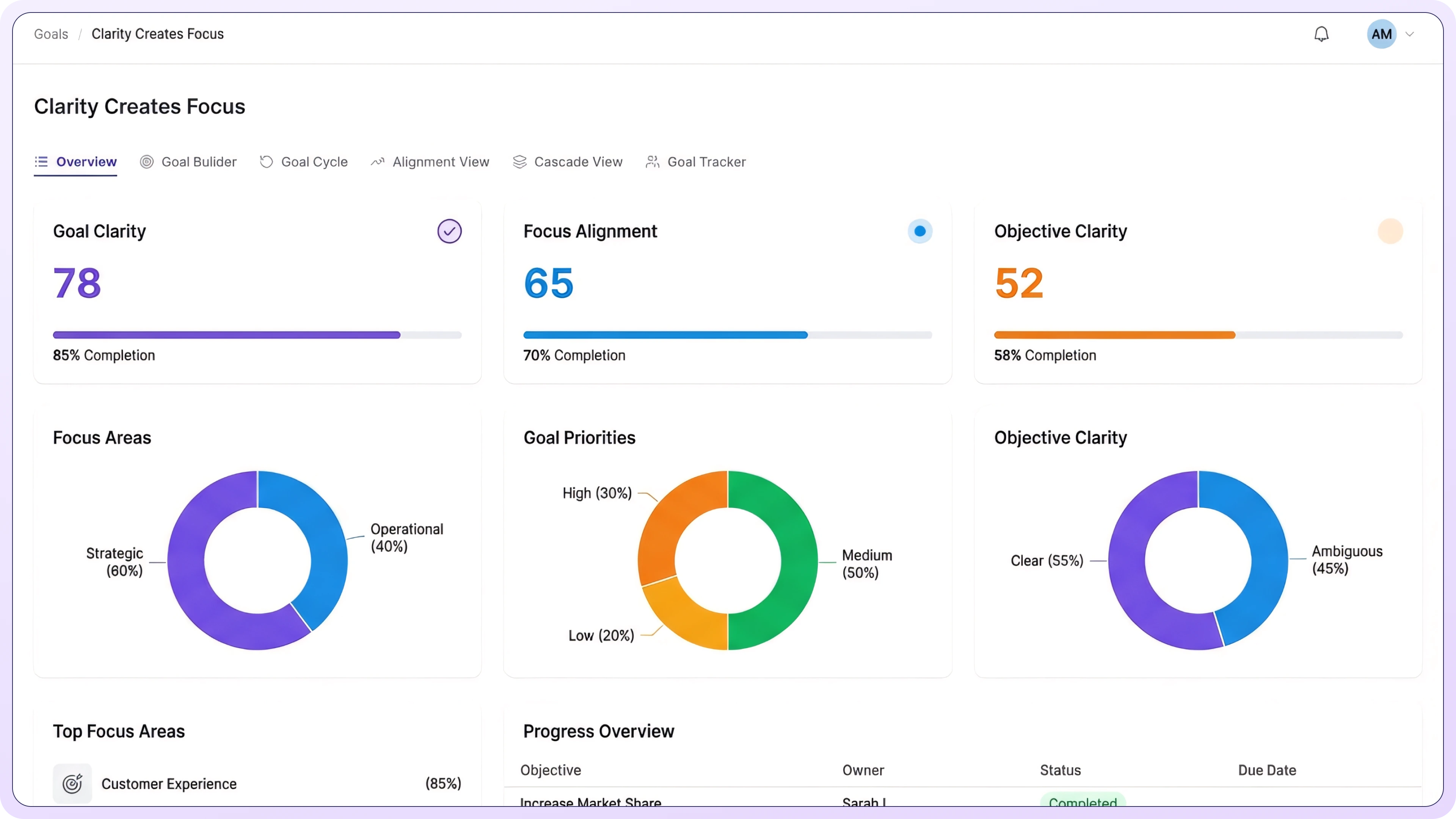
Alignment reduces friction
When progress is visible, teams stay aligned, course-correct earlier, and maintain momentum throughout the cycle.
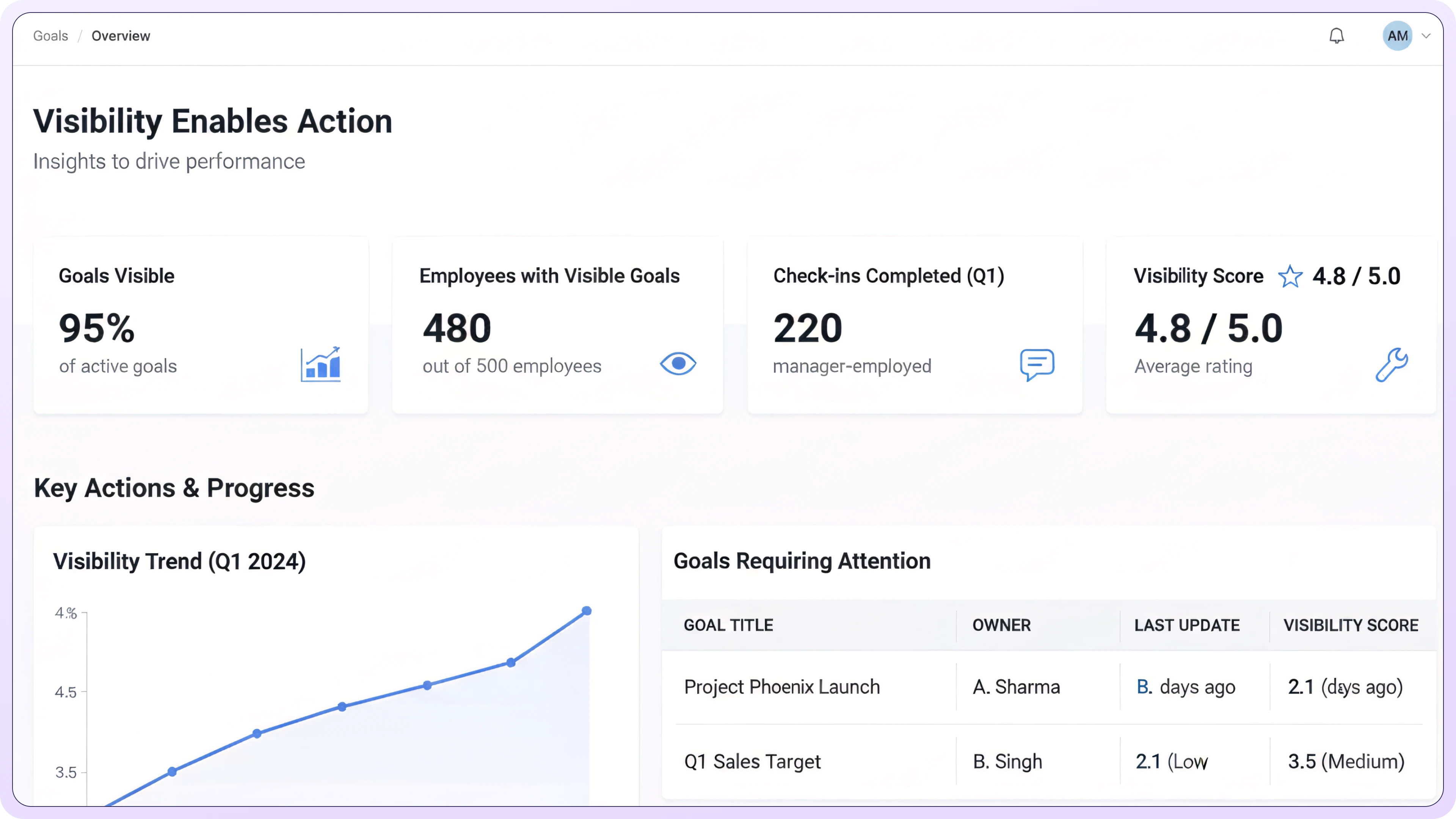
Visibility enables action
Clear structure defines ownership, timelines, and expectations, making accountability visible and shared.
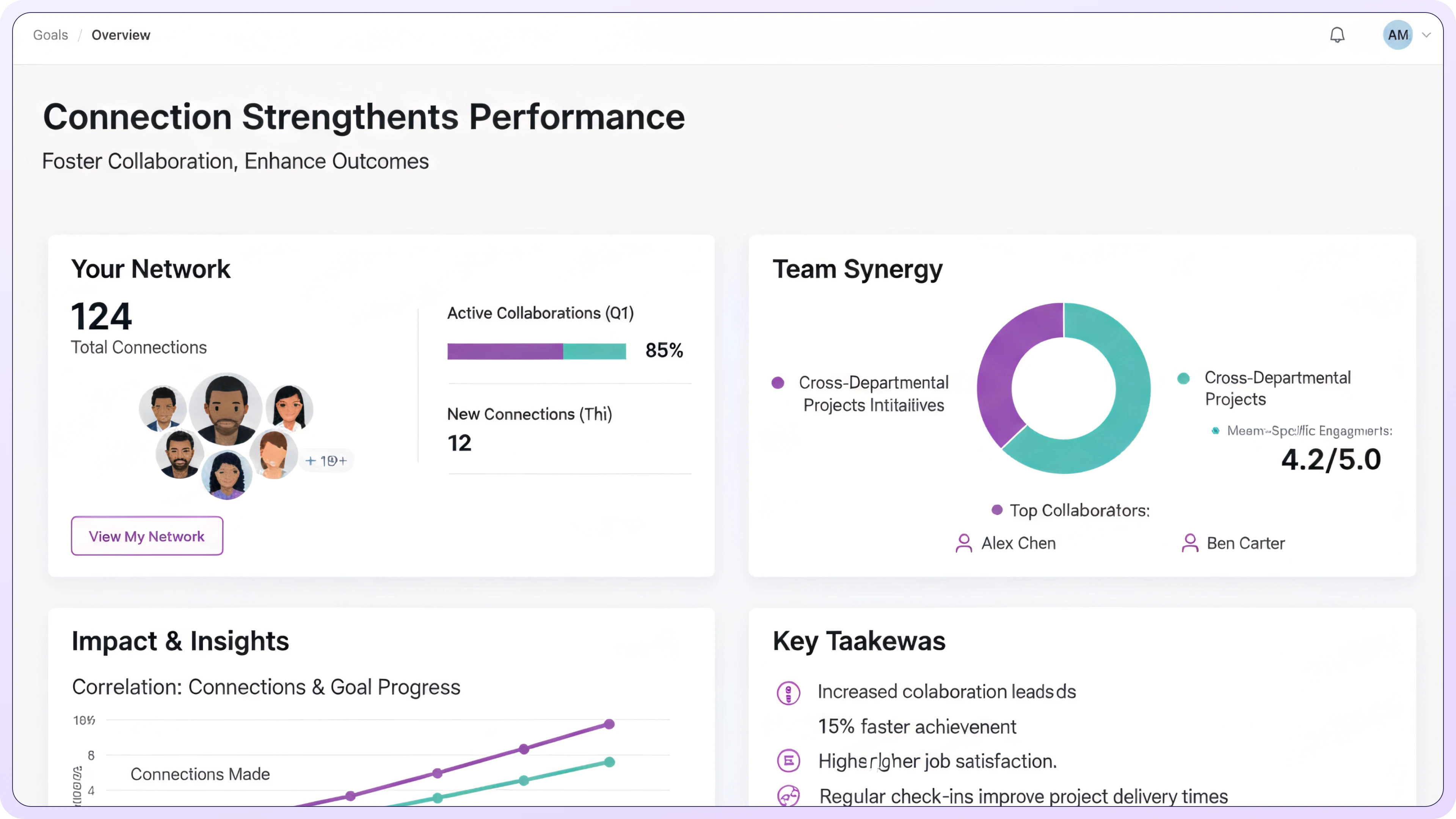
Connection strengthens performance
Actionable insights reveal what’s working, what’s stalled, and where to adjust, turning goals into progress.
Not just goal setting. Execution clarity.
Moves goals from one-time exercises to an ongoing system of alignment, visibility, and action.
.svg)
Review Cycle
Scope
Tracking
Context
Impact
When Performance Is Structured, Results Follow
Clear alignment from strategy to execution
Higher accountability without pressure

Faster identification of risks and blockers
.svg)
Increased engagement through purpose
Built to scale with your organization
Architecture designed for global teams, complex hierarchies, and absolute security.
Why Traditional Reviews Fall Short
Reviews happen once a year and go nowhere.
Learning is random and disconnected from performance.
Compensation decisions feel unclear or unfair.
How ReviewCloud Changes the Game
Reviews kick off learning journeys and promotion paths.
Learning follows performance insights within daily work.
Compensation shows growth and impactful behaviors.
.svg)
Role-based access
Secure, role-based access control with enterprise-grade encryption.
.svg)
Centralized Visibility
Shared visibility for growth without overexposure of sensitive details.
.svg)
Flexible Structure
Standardize the goals experience across remote and global teams.
Global Support
Understand organizational health across roles, regions, and managers.
A Complete Performance Management System
Eight connected modules designed to work together, so performance conversations are consistent, fair, and focused on growth.
- Managers often don’t know how to give useful feedback, and employees often don’t know how to take criticism and grow from it.
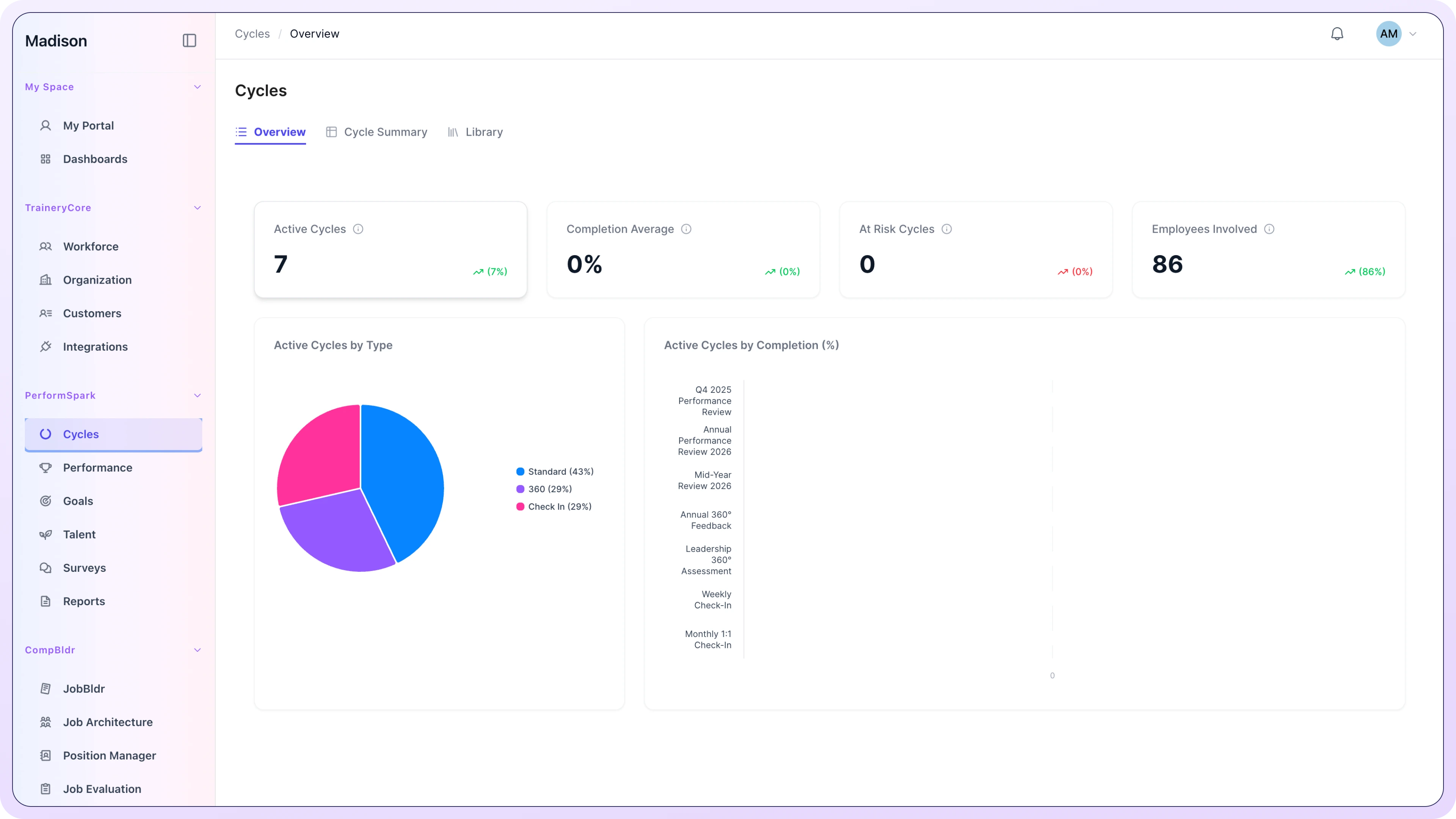
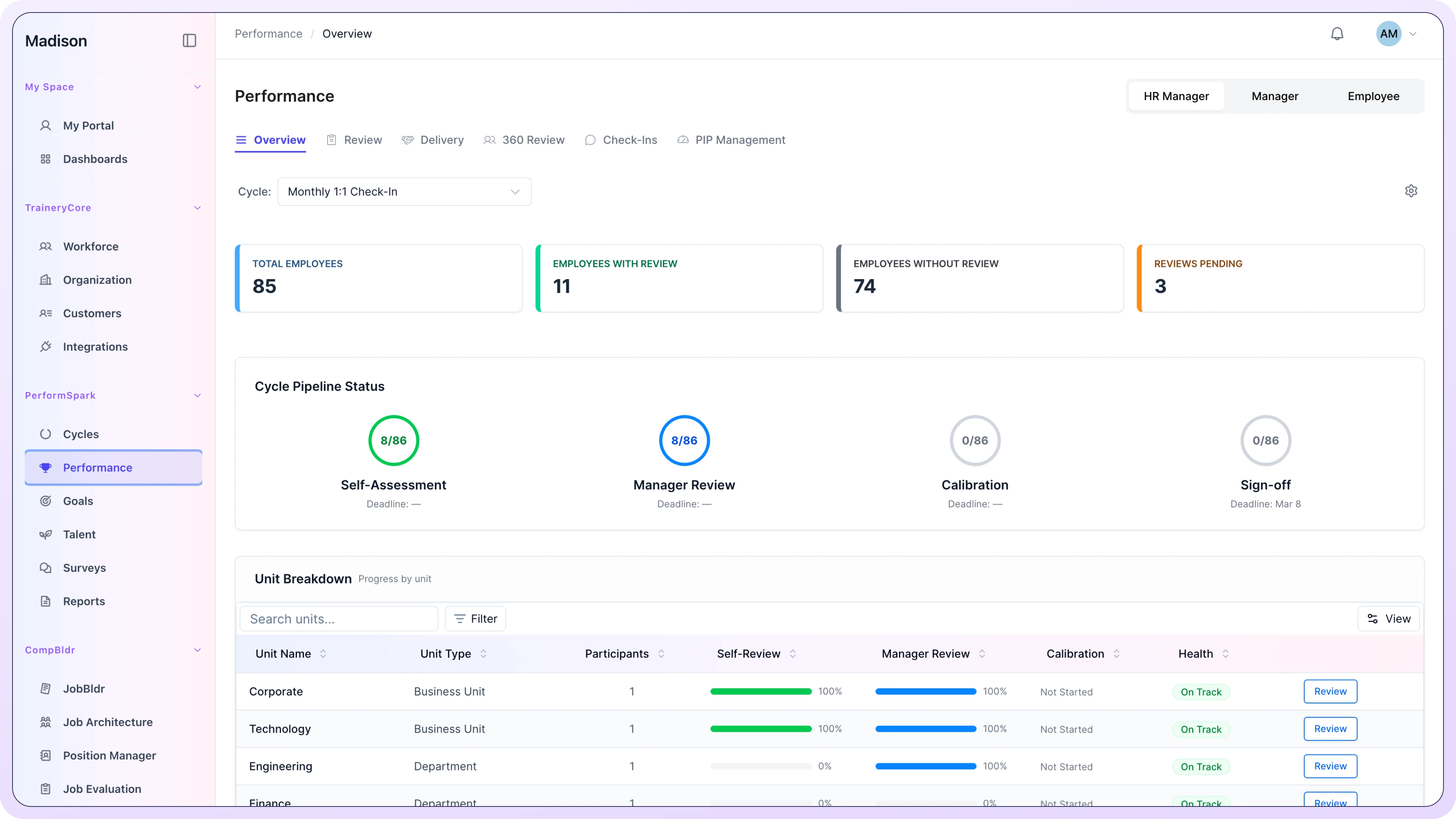
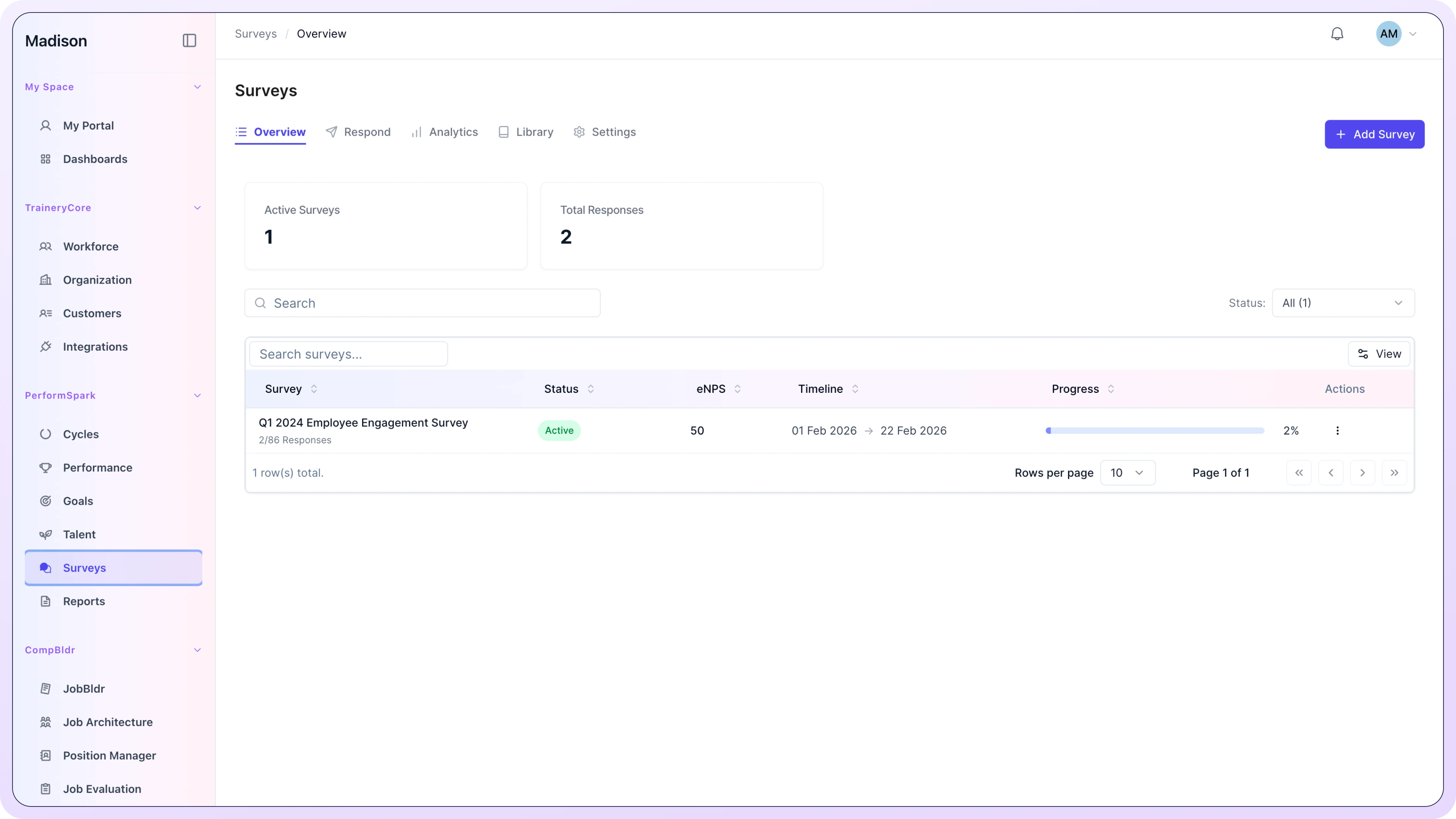
- PerformSpark gives you multiple review style and cycle options, goal management, and planning tools to help your employees grow.
- Managers can move employees from ‘recommendation to doing’ by accessing subscribed learning solutions within the portal.
- Managers often don’t know how to give useful feedback, and employees often don’t know how to take criticism and grow from it.
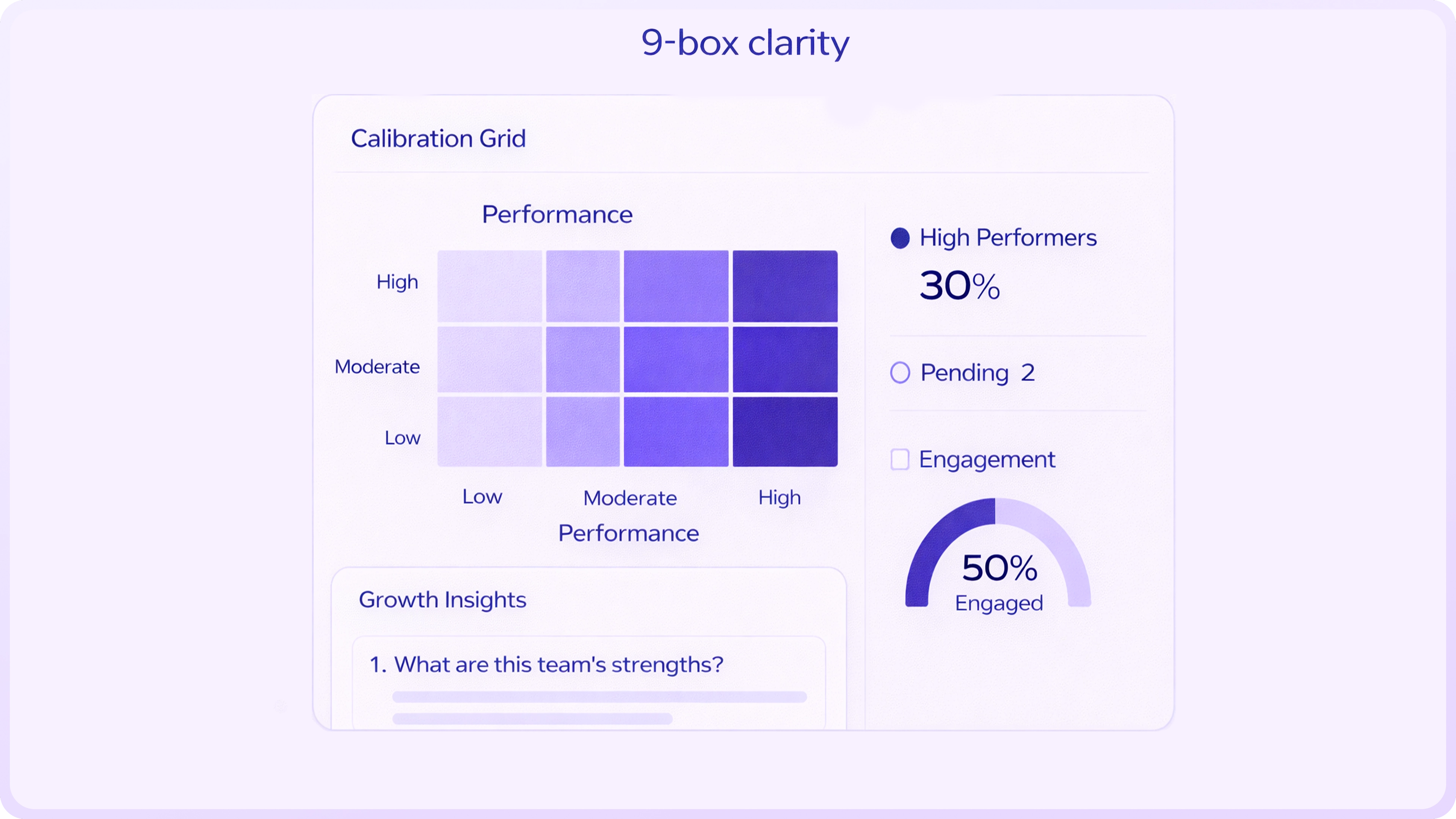
- PerformSpark gives you multiple review style and cycle options, goal management, and planning tools to help your employees grow.
- Managers can move employees from ‘recommendation to doing’ by accessing subscribed learning solutions within the portal.
- Managers often don’t know how to give useful feedback, and employees often don’t know how to take criticism and grow from it.
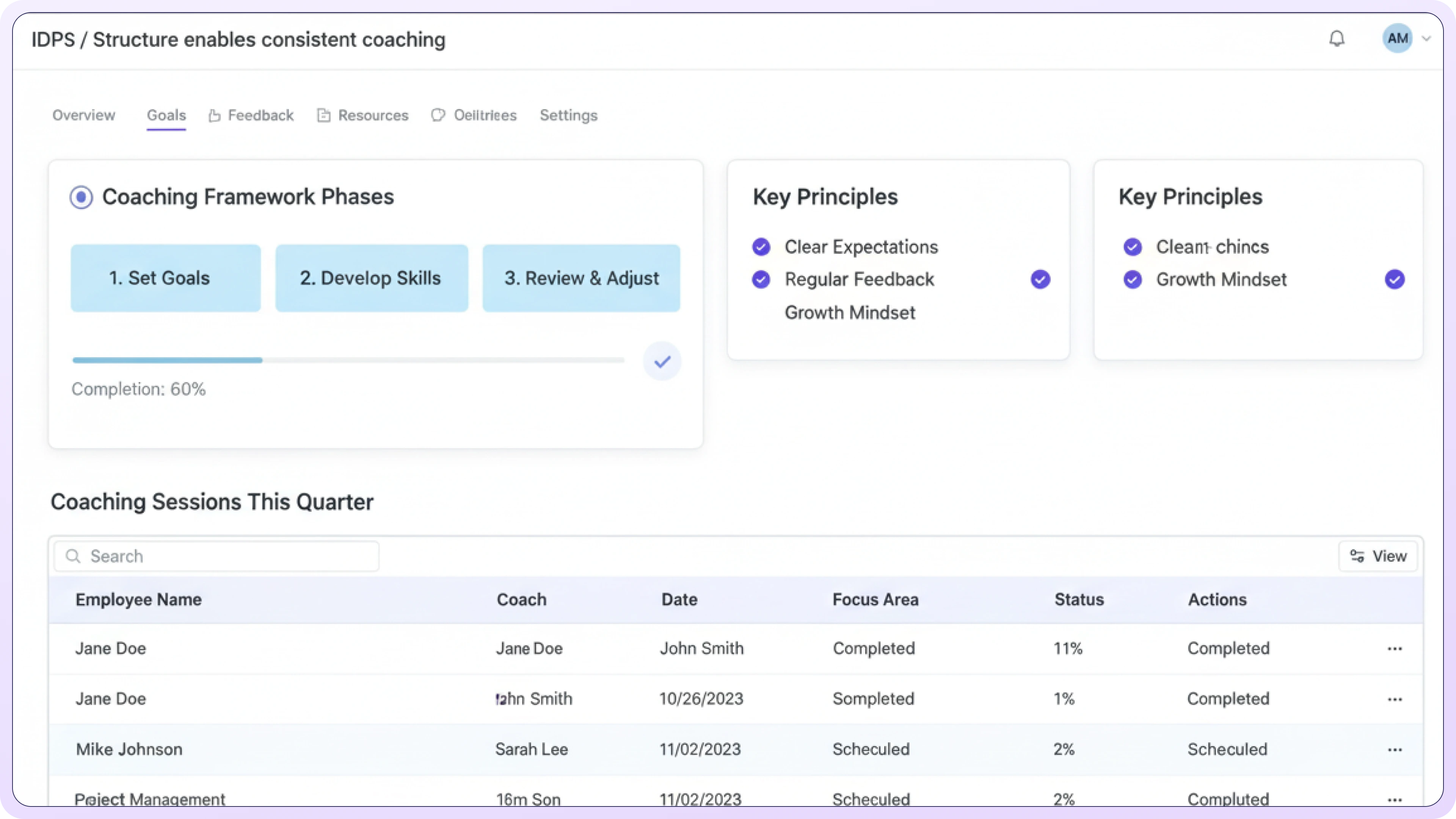
- PerformSpark gives you multiple review style and cycle options, goal management, and planning tools to help your employees grow.
- Managers can move employees from ‘recommendation to doing’ by accessing subscribed learning solutions within the portal.
- Managers often don’t know how to give useful feedback, and employees often don’t know how to take criticism and grow from it.
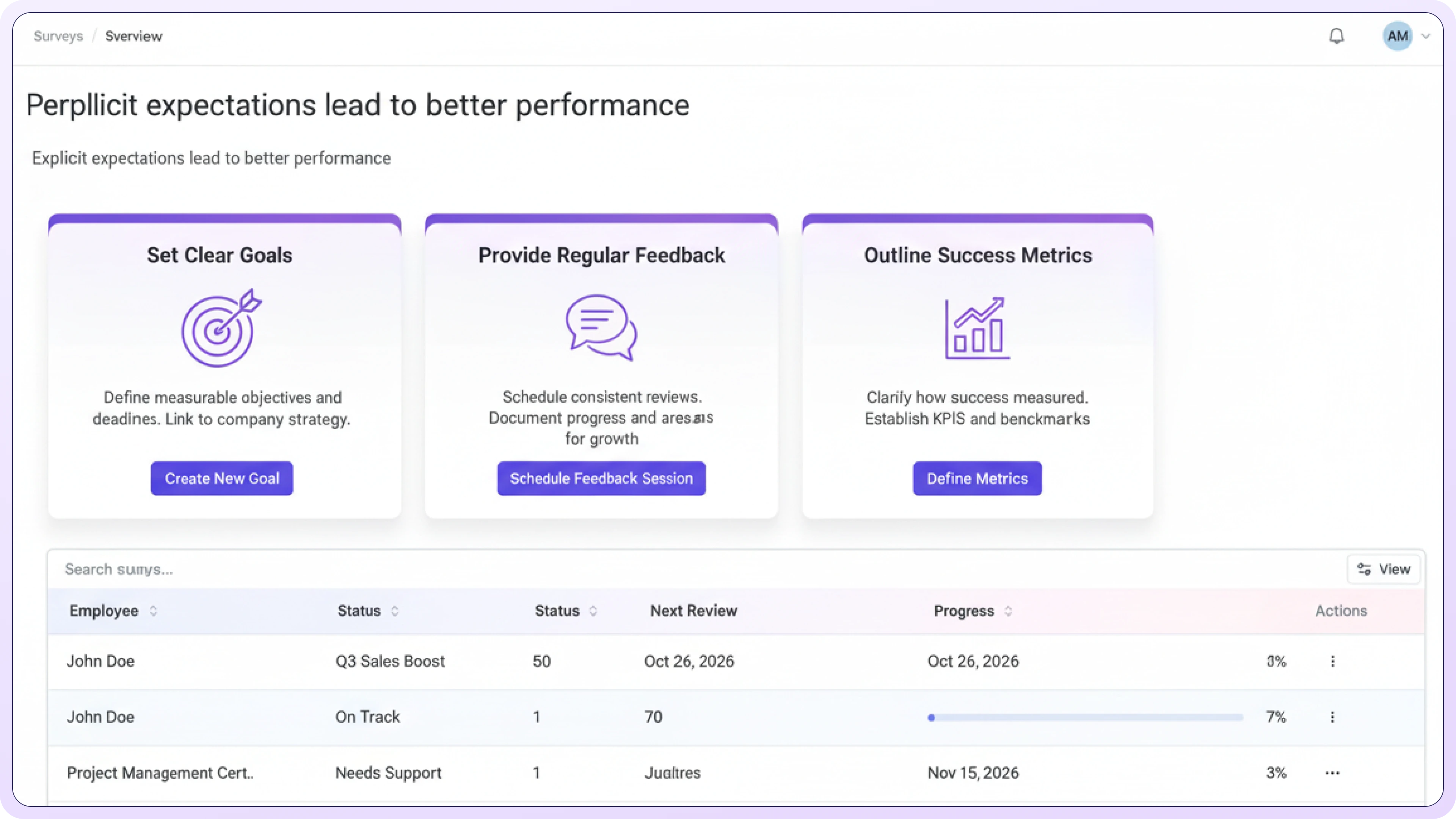
- PerformSpark gives you multiple review style and cycle options, goal management, and planning tools to help your employees grow.
- Managers can move employees from ‘recommendation to doing’ by accessing subscribed learning solutions within the portal.
- Managers often don’t know how to give useful feedback, and employees often don’t know how to take criticism and grow from it.
- PerformSpark gives you multiple review style and cycle options, goal management, and planning tools to help your employees grow.
- Managers can move employees from ‘recommendation to doing’ by accessing subscribed learning solutions within the portal.
- Managers often don’t know how to give useful feedback, and employees often don’t know how to take criticism and grow from it.
- PerformSpark gives you multiple review style and cycle options, goal management, and planning tools to help your employees grow.
- Managers can move employees from ‘recommendation to doing’ by accessing subscribed learning solutions within the portal.
- Managers often don’t know how to give useful feedback, and employees often don’t know how to take criticism and grow from it.
- PerformSpark gives you multiple review style and cycle options, goal management, and planning tools to help your employees grow.
- Managers can move employees from ‘recommendation to doing’ by accessing subscribed learning solutions within the portal.
- Managers often don’t know how to give useful feedback, and employees often don’t know how to take criticism and grow from it.
- PerformSpark gives you multiple review style and cycle options, goal management, and planning tools to help your employees grow.
- Managers can move employees from ‘recommendation to doing’ by accessing subscribed learning solutions within the portal.
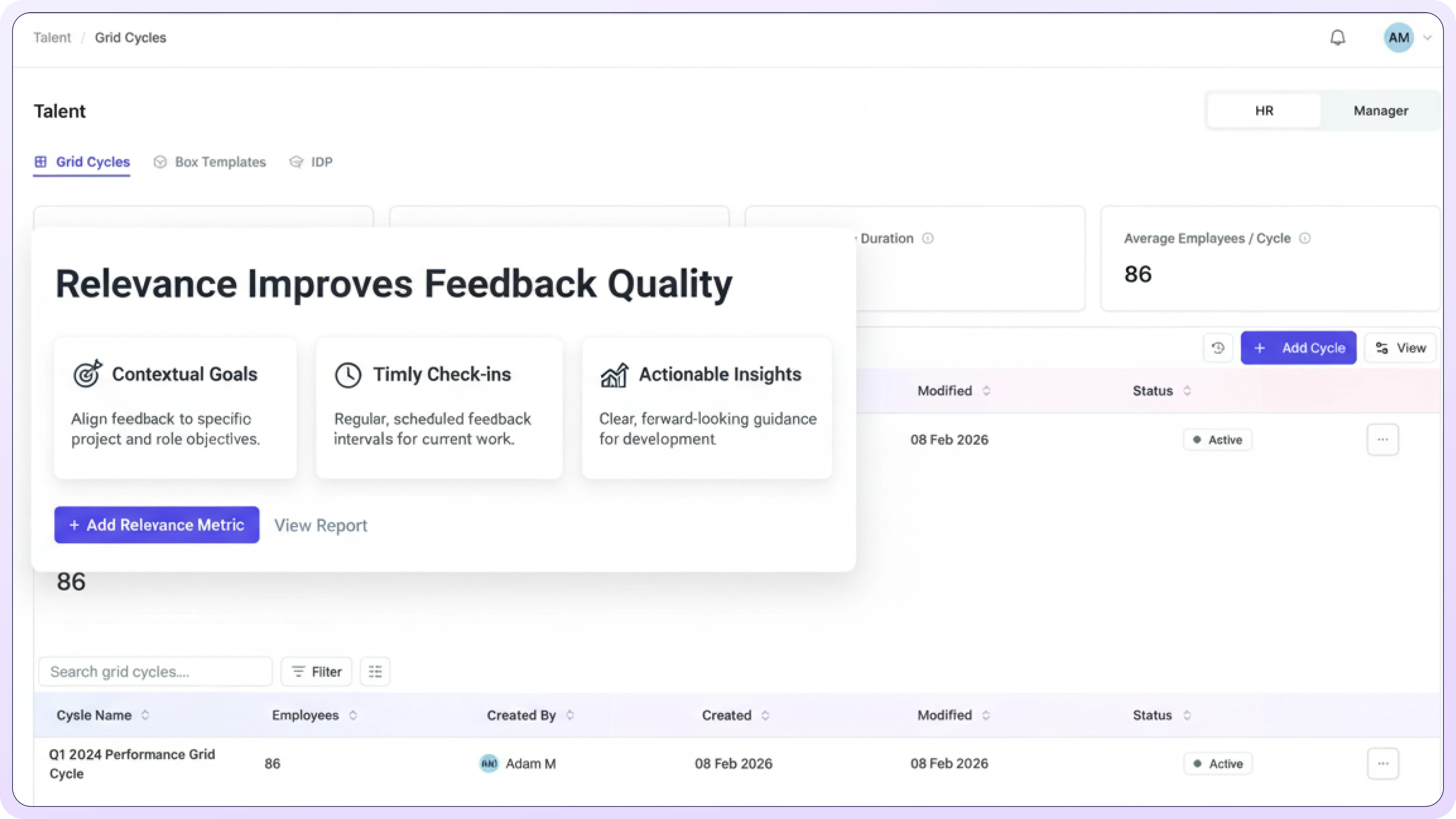
Your questions answered
What is an OKR?
What is the difference between OKRs and KPIs?
How many OKRs should a team have per quarter?
Can teams have company-level, team-level, and individual OKRs?
How do OKRs connect to performance reviews in TraineryHCM?
What is a good Key Result and what makes a bad one?
How often should OKRs be reviewed?
Does OKR tracking software work for small teams or only enterprises?

Bring Clarity and Alignment to Every Goal
Implement a structured goal management approach that connects strategy to execution, improves accountability, and delivers measurable outcomes across the organization.
.svg)

.svg)
.svg)

