.svg)
.svg)

.svg)
Improve Workforce Visibility
See where specialist skills are concentrated, which scientific teams need additional development, and where technical leadership succession is vulnerable.
Connect scientists, laboratory specialists, quality teams, medical-device professionals, and manufacturing staff with role-based learning, skills evidence, performance, development, leadership succession, and compensation.
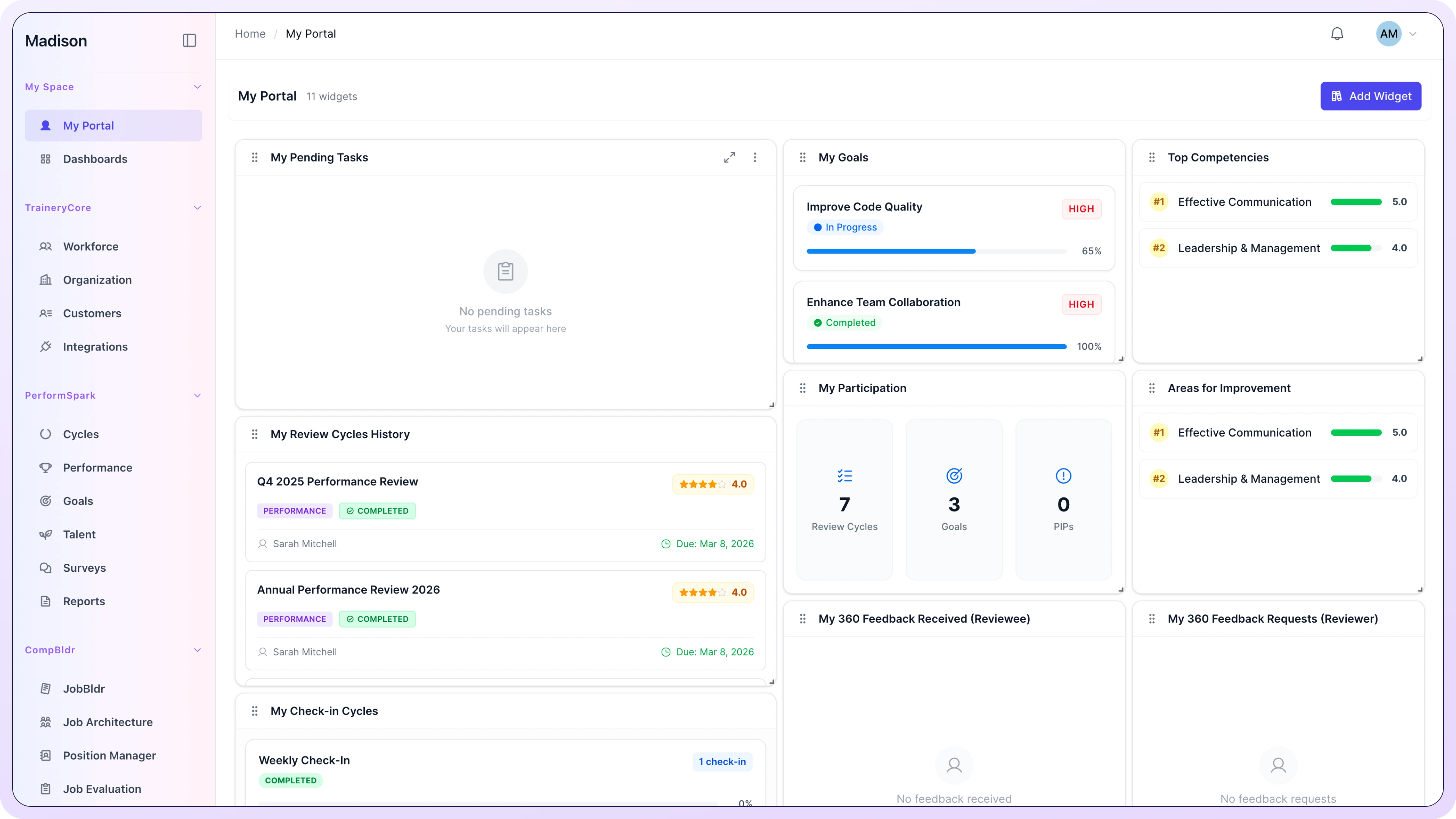
Pharmaceutical, biotechnology, and medical-device teams depend on scarce scientific expertise, evolving role qualifications, documented learning, and critical technical leadership. HR needs clear people context across research, quality, operations, and specialist functions.
.svg)

Research scientists, laboratory staff, quality professionals, and regulated-production teams may have different training expectations and specialist skill requirements.

Life sciences skills management software becomes more useful when skills management connects role expectations, proficiency, learning, development, and future-readiness context.

Critical scientific knowledge often sits with senior researchers or technical specialists, making successor readiness and development gaps difficult to assess consistently.

.svg)
Keep employee roles, scientific disciplines, departments, reporting lines, facilities, and organizational structures connected across specialist people workflows.
Review job-specific learning evidence, certifications, technical competencies, and development gaps in the context of scientific and operational roles.
Understand the bench strength and development needs behind R&D leadership, quality oversight, laboratory expertise, and other business-critical positions.
Follow the development path from scientific and technical job expectations to relevant training, demonstrated capabilities, performance feedback, and future readiness for specialist and research leadership roles.
Bring life sciences workforce records together with scientific skills, role-specific learning, development evidence, specialist talent pipelines, and compensation decisions.
.svg)
.webp)

.webp)


Learning expectations vary across laboratory research, quality assurance, technical operations, and medical-device development. Connect role requirements with assigned learning, completion records, proficiency, and development needs.
Review role-relevant learning and qualification records for research, quality, laboratory, and production employees. Applicable GMP, GxP, and SOP obligations must be established and validated within each organization's quality processes.
.svg)
.svg)

.svg)
.svg)
Scientific careers may develop through specialized research methods, laboratory techniques, quality expertise, cross-functional leadership, or regulated production knowledge. Link current proficiency and development opportunities to role expectations.

.svg)
.svg)
Use technical proficiency, research experience, role-specific learning, performance feedback, and career interests to guide development for scientists, analysts, quality specialists, and emerging functional leaders.
When expertise in a research technique, laboratory process, or quality function depends on a small number of people, review successor potential, capability gaps, and development evidence before critical transitions.
.svg)
.svg)
.svg)
.svg)
.svg)
Organize workforce information around distinct pharmaceutical, biotechnology, medical-device, laboratory, and technical operations job families while supporting consistent people decisions across sites.

.svg)


Give leaders a shared view of scientific and technical job families, training needs, validated skills, development gaps, succession coverage, and workforce-related compensation context.
See where specialist skills are concentrated, which scientific teams need additional development, and where technical leadership succession is vulnerable.
Connect capability gaps with learning, coaching, development plans, and career development.
Use talent pools, skills evidence, bench strength, and succession planning to identify coverage gaps around specialist, critical, and leadership roles.
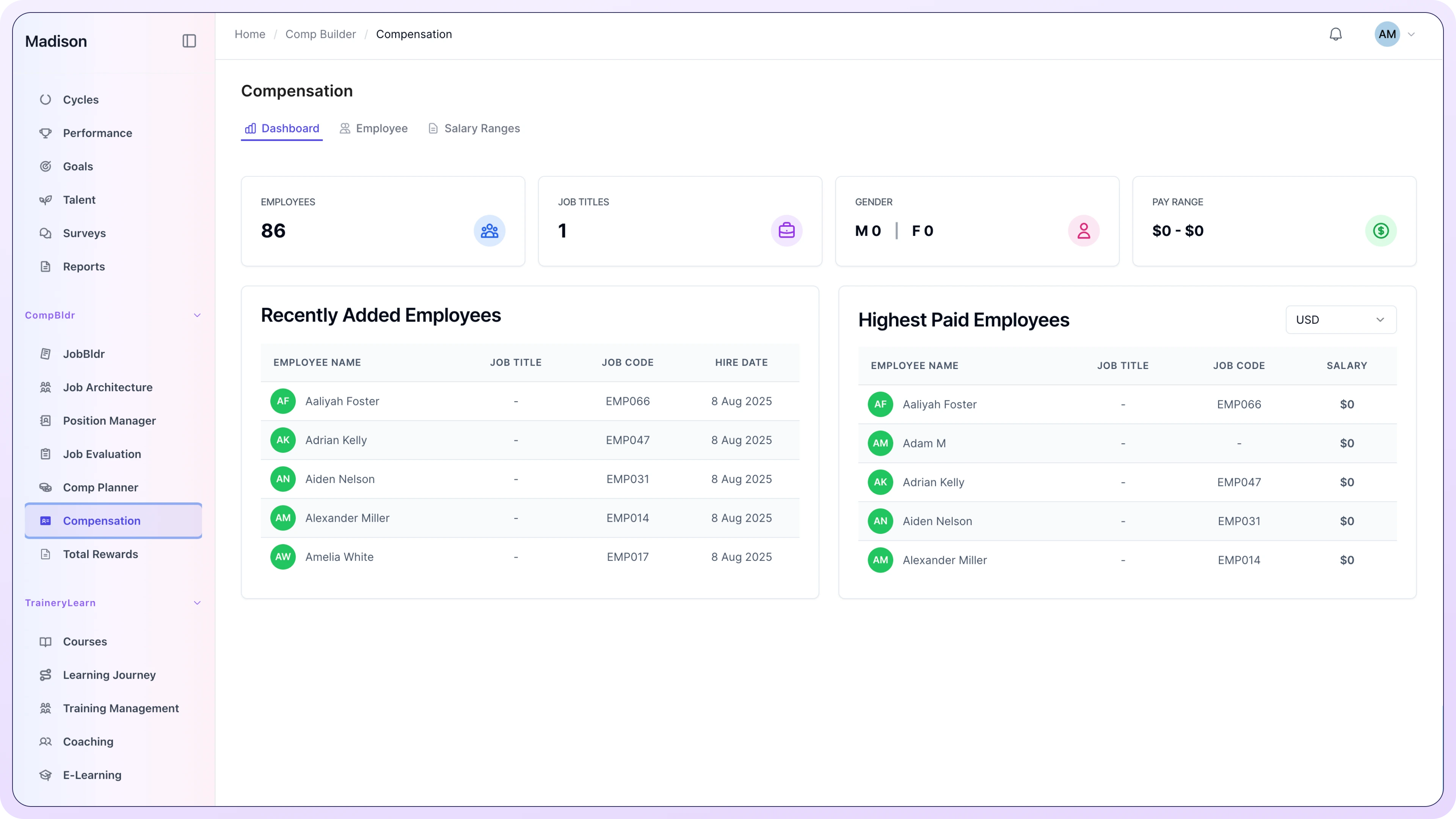
Review job architecture, technical responsibility levels, market benchmarking, and compensation planning in the context of specialized scientific and operational expertise.
Bring your scientific job families, specialist learning needs, technical proficiency gaps, research and quality leadership pipelines, and compensation frameworks. See how TraineryHCM connects the workforce context behind those decisions.
.svg)

.svg)
.svg)

