


Tying Compensation to Performance: A Complete Framework for HR Leaders
KEY TAKEAWAY
When performance ratings flow directly into compensation planning, merit decisions become data-driven instead of political. The key is connecting your review cycle, calibration process, and merit matrix in one workflow so compensation reflects genuine performance, not manager bias or recency effect. TraineryHCM is the only mid-market platform where performance and compensation share a native data connection.
Most organizations say they pay for performance. Fewer actually do. The gap between the stated policy and the practice usually comes down to one thing: the data systems that hold performance ratings and the systems that manage compensation decisions are disconnected. When a manager opens the merit planning spreadsheet, they are working from memory, not from the calibrated performance record that HR spent weeks producing.
The result is merit decisions that feel arbitrary to employees because they often are. High performers in a manager's favorite team get above-average increases. High performers with less visible managers get average increases. The pay-for-performance principle exists on paper. The execution does not support it.
This guide explains what connects performance to compensation properly, and why most organizations struggle to execute it even when they want to.
Why Performance and Compensation Need to Be Connected
The business case for performance-linked compensation is straightforward. WorldatWork research consistently shows that organizations with differentiated pay-for-performance programs report higher employee performance, stronger retention of high performers, and better alignment between individual effort and organizational outcomes.
The retention argument is particularly compelling: Gallup research shows that high performers are significantly more likely to leave organizations where they perceive that their compensation does not reflect their contribution relative to peers. When high performers leave, the cost of replacement (typically 50 to 200 percent of annual salary depending on role complexity) far exceeds the merit budget required to retain them.
The challenge is not the principle. It is the execution. Connecting performance to pay requires three things that most organizations do not have simultaneously: calibrated performance ratings that are consistent across managers, a compensation structure with documented pay bands that provide a framework for merit decisions, and a workflow that makes the performance data available in the compensation planning process without manual exports.
The Problem With Disconnected Tools
Here is how merit cycles typically work in organizations with disconnected performance and compensation systems:
- Performance reviews are completed in one system (or in Word documents emailed to HR).
- HR exports performance ratings to a spreadsheet.
- The spreadsheet is combined with salary data exported from payroll or HRIS.
- The combined spreadsheet is distributed to managers for merit recommendations.
- Managers make recommendations based on their memory of the performance data, often without reviewing the formal review or calibration outcomes.
- HR consolidates recommendations, checks budget, and processes changes.
- Changes are manually entered into payroll.
Each handoff in this process is an opportunity for data loss, inconsistency, and decision-making that drifts away from the calibrated performance record. The manager who had the best performance reviews on their team often ends up with the same average merit percentage as the manager whose team's performance was less strong, because the process does not enforce the connection.
What a Merit Matrix Is and How It Works
Merit Matrix Definition
A merit matrix is a grid that assigns merit increase percentage ranges based on two variables: the employee's performance rating level and their current position in their salary range (expressed as a compa ratio). An employee rated Exceeds Expectations at 85 percent of market midpoint receives a higher merit increase than the same rating at 110 percent of market midpoint. This ensures merit budgets reward both high performance and corrects below-market pay positioning simultaneously.
The percentages in this example are illustrative. Your merit matrix should be calibrated to your total merit budget and the distribution of performance ratings in your organization. A common mistake is building a merit matrix that would exceed budget if performance ratings are clustered at the higher end, which they often are in organizations that have not completed calibration.
A 4-Step Framework for Performance-Linked Compensation
- Complete and calibrate the performance review cycle before opening merit planning. This is the sequence most organizations skip. Merit planning should not open until calibration is complete and final ratings are locked. Opening merit planning while reviews are still being discussed or adjusted means managers are working with preliminary data.
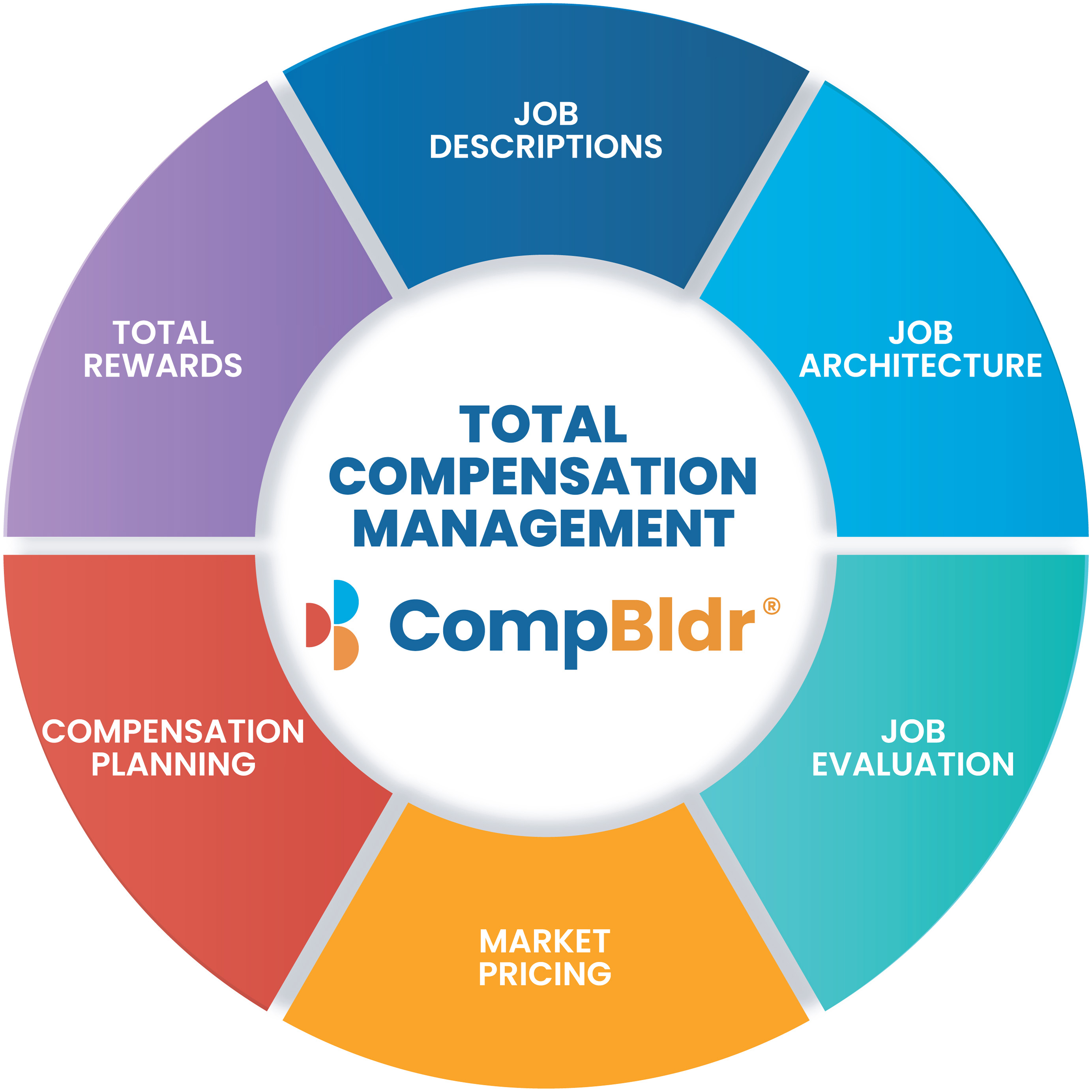
- Build your merit matrix using calibrated rating distributions and budget constraints. Once you know your final rating distribution from the calibrated review cycle, model the merit matrix against your total budget to ensure the matrix is achievable without budget overrun. CompBldr shows real-time budget consumption as merit decisions are entered, preventing over-allocation before the cycle closes.
- Use the performance record, not manager memory, as the input to merit decisions. In TraineryHCM, when the merit cycle opens in CompBldr, each employee's calibrated performance rating is already populated from the completed review cycle. The manager sees the rating, the employee's current salary, and their compa ratio position before making a merit recommendation. The recommendation is grounded in data, not in the manager's impression of performance.
- Build pay equity review into the merit cycle, not as a separate process. Before finalizing merit decisions, run a pay equity check across the proposed increases. Does the merit cycle maintain or widen existing pay gaps by gender or race? CompBldr's pay equity module runs this check against proposed merit decisions before they are finalized, giving HR the opportunity to adjust allocations that would inadvertently worsen equity.
How Calibration Makes the Connection Fair
The entire performance-to-compensation connection depends on the quality of the performance ratings that feed it. Uncalibrated ratings produce unfair compensation outcomes even when the merit matrix and process are technically correct.
Consider two employees with identical performance: one managed by a grade-inflating manager who rates everyone a 4, and one managed by a rigorous manager who rates the same performance a 3. Under a merit matrix, the first employee receives a higher merit increase simply because of who manages them, not because of their actual performance.
Calibration closes this gap. When managers must defend ratings with behavioral evidence in front of peers, the 4 and the 3 for identical performance are surfaced and aligned before the merit matrix is applied. The compensation decision then reflects actual performance, not managerial generosity.
Pay Transparency and Performance-Linked Pay
Pay transparency laws complicate performance-linked compensation in one important way: when salary ranges are public, employees can see exactly where they sit in the range and what their merit increase means in terms of range positioning.
This visibility is actually an argument for investing more in the quality of your performance-linked pay process, not less. When employees can see the range and understand the merit matrix, the pay process needs to be defensible. Arbitrary merit decisions that do not reflect calibrated performance become visible and contentious in a transparent environment.
Organizations that combine pay transparency with a rigorous calibration process and a clear merit matrix actually find that transparency strengthens trust in the compensation system. Employees understand why they received their increase relative to the range and the rating. The process is visible. The logic is clear.






%20GUIDE.webp)
%20GUIDE.webp)




.png)


.svg)

.svg)
.svg)

