Thank you! Your submission has been received!
Oops! Something went wrong while submitting the form.



Bring objectivity, consistency, and defensibility to job valuation using a structured methodology built for enterprise compensation governance.

Reviews happen once a year and go nowhere.
Learning is random and disconnected from performance.
Compensation decisions feel unclear or unfair.

Reviews kick off learning journeys and promotion paths.
Learning follows performance insights within daily work.
Compensation shows growth and impactful behaviors.
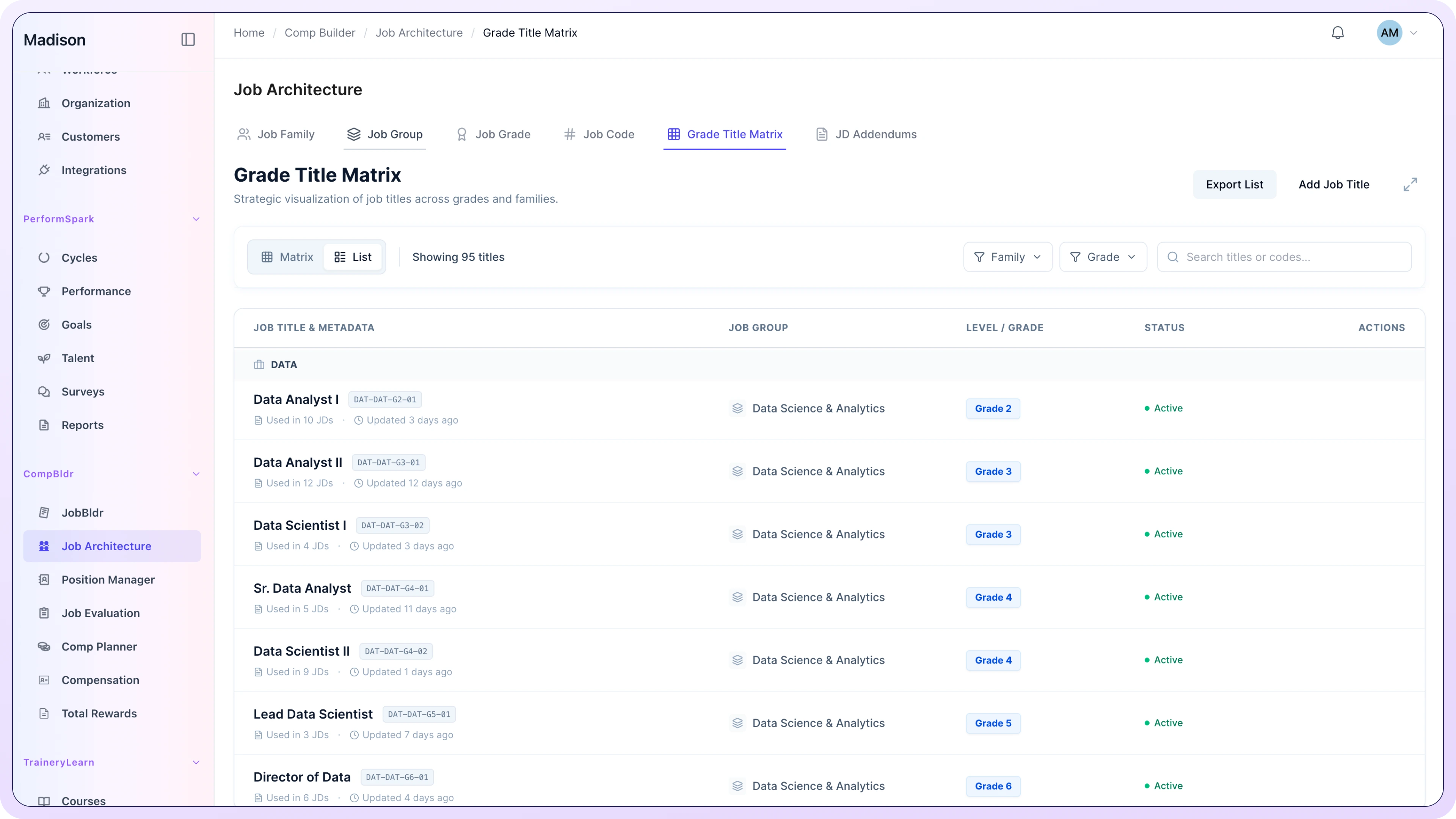
A structured evaluation framework ensures compensation decisions are objective, consistent, and defensible across the organization.
.svg)
GradeBldr™ applies the JESAP® methodology, a structured 15-factor job valuation system used to evaluate positions objectively and build defensible pay structures.
.svg)
.svg)
.svg)
.svg)
Reviews happen once a year and go nowhere.
Learning is random and disconnected from performance.
Compensation decisions feel unclear or unfair.
Reviews kick off learning journeys and promotion paths.
Learning follows performance insights within daily work.
Compensation shows growth and impactful behaviors.
Our job evaluation module supports the structured 15-factor evaluation methodology. It creates an objective internal hierarchy by evaluating roles across compensable factors such as:
.svg)
.svg)
.svg)
.svg)

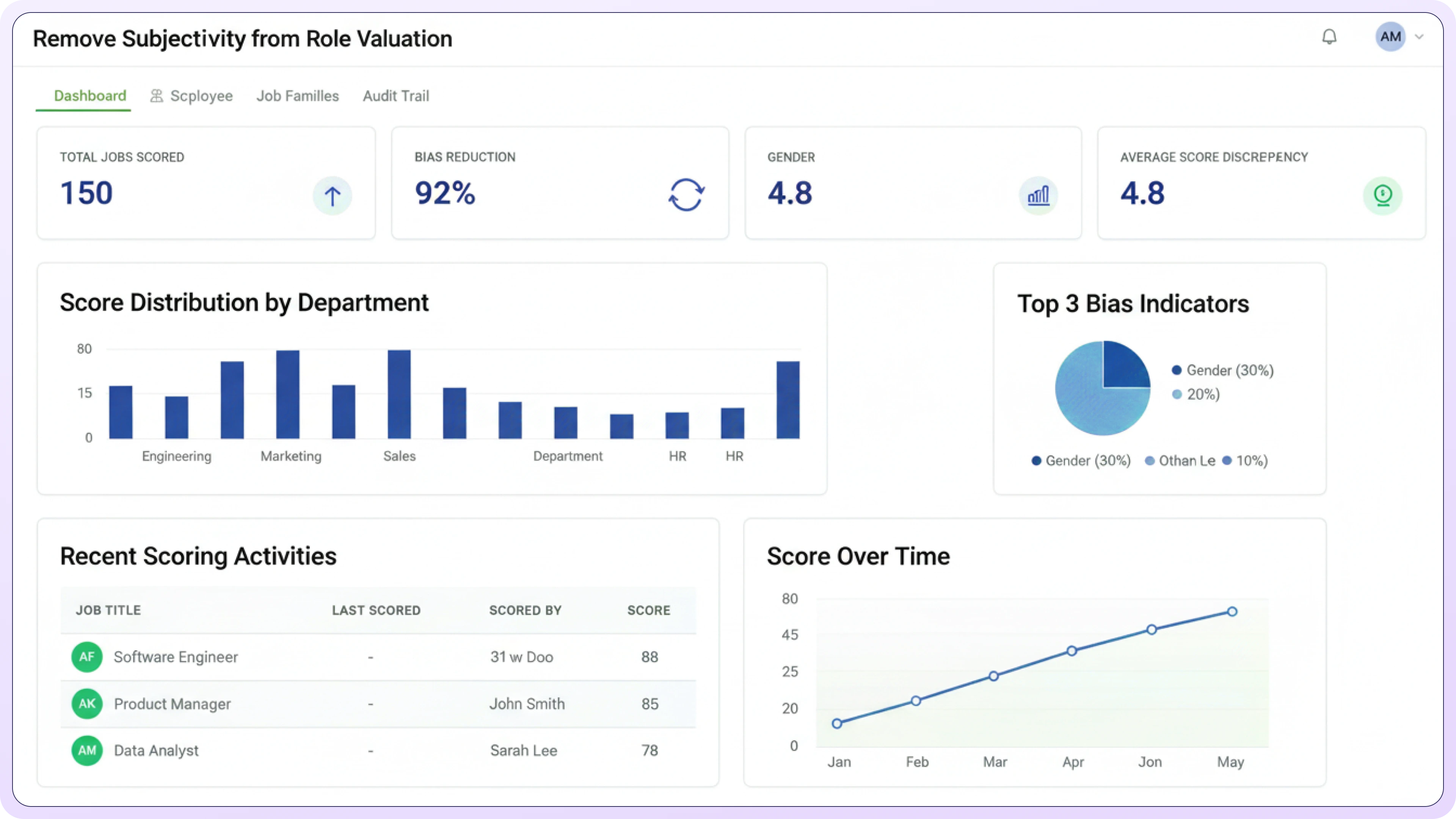
Each role receives point-based scoring to establish objective internal hierarchy. This eliminates subjectivity and creates defensible structure.
A unified operating model that embeds structure, rules, and controls into every pay decision.
Reviews happen once a year and go nowhere.
Learning is random and disconnected from performance.
Compensation decisions feel unclear or unfair.
Reviews kick off learning journeys and promotion paths.
Learning follows performance insights within daily work.
Compensation shows growth and impactful behaviors.
.svg)
Apply consistent factor weighting to every job.
.svg)
Compare evaluation results to detect grading inconsistencies.
Automatically align point totals to grade structures.
Maintain audit-ready documentation of every evaluation.
.svg)
Support committee review without spreadsheet chaos.
Establish a rock-solid internal ranking backed by data.
Built-in methodology transforms role and evaluation data into reliable, repeatable pay structures.
Structured factor scoring reduces bias and ensures every job is evaluated against consistent criteria. Every role is broken down into measurable units of value.
.svg)
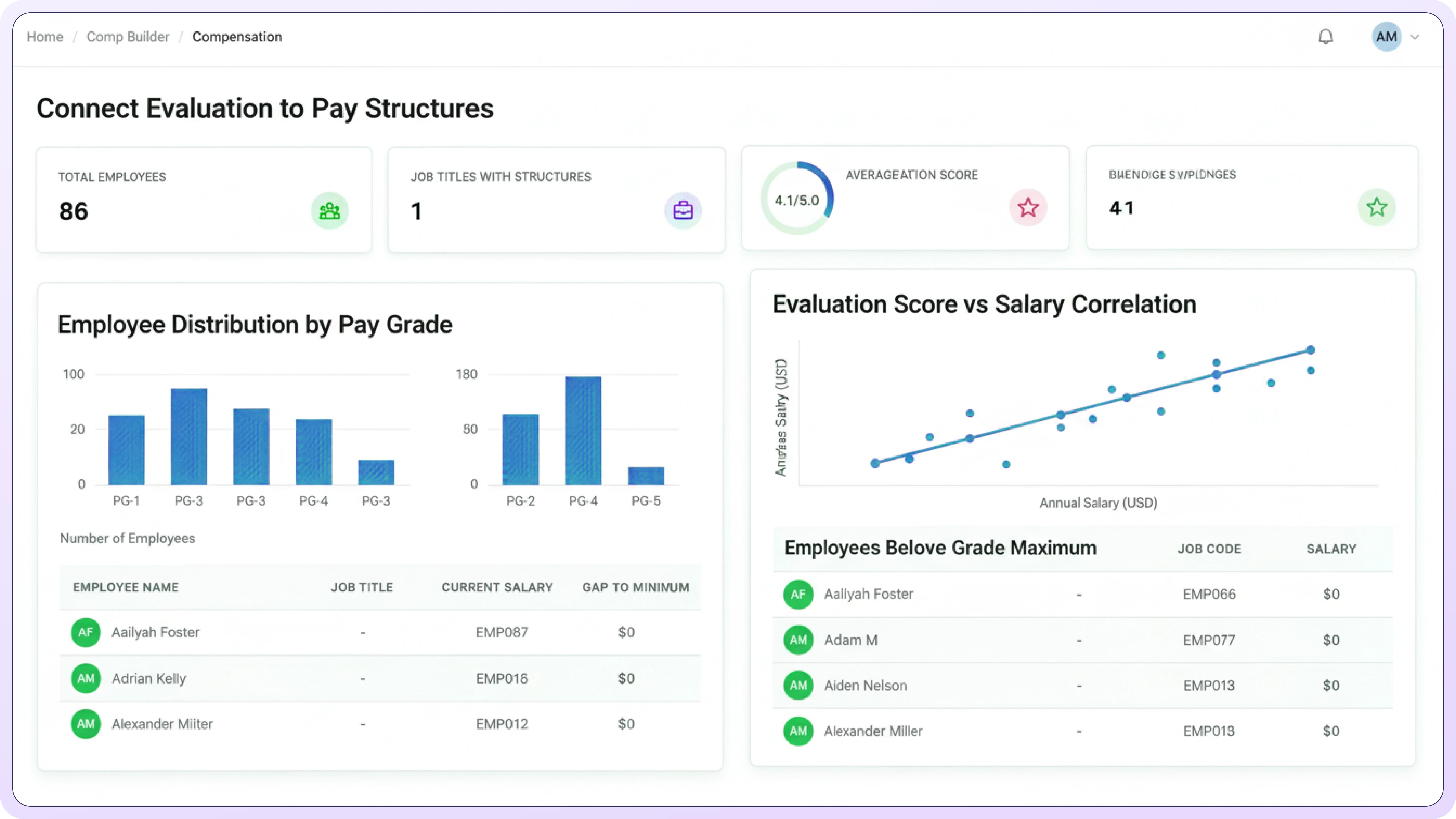
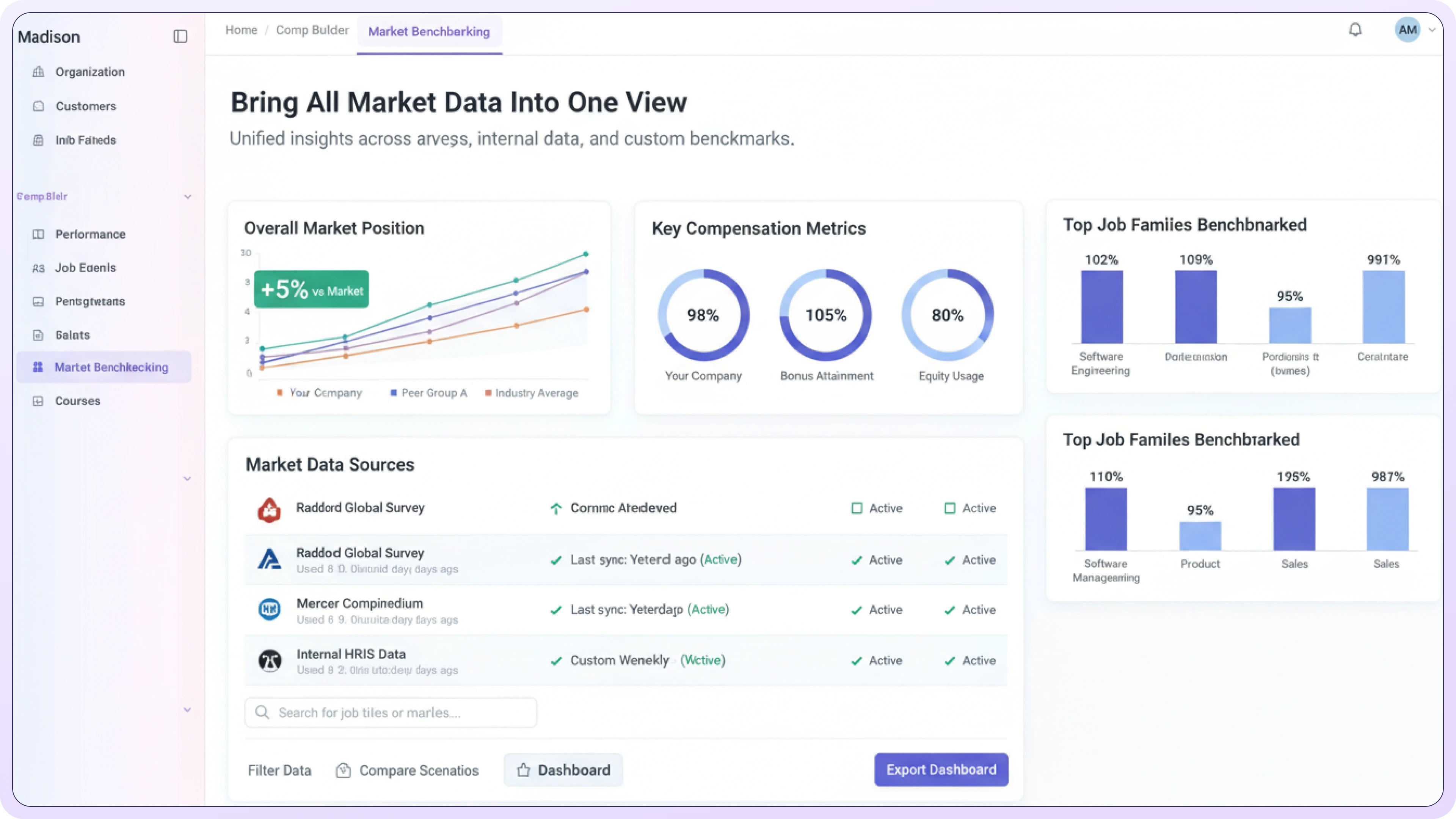
Evaluation outputs feed directly into grade architecture, market benchmarking, and compensation planning. Close the loop between internal worth and external competitiveness.
Intellectual precision over salesy fluff. This is about structured governance.

Focus on vague descriptions
Lack structured factor weighting
Allow inconsistent interpretation
Cannot scale across departments
.svg)
Separates job from employee
Uses defined compensable factors
Applies structured point allocation
Produces defensible internal hierarchy
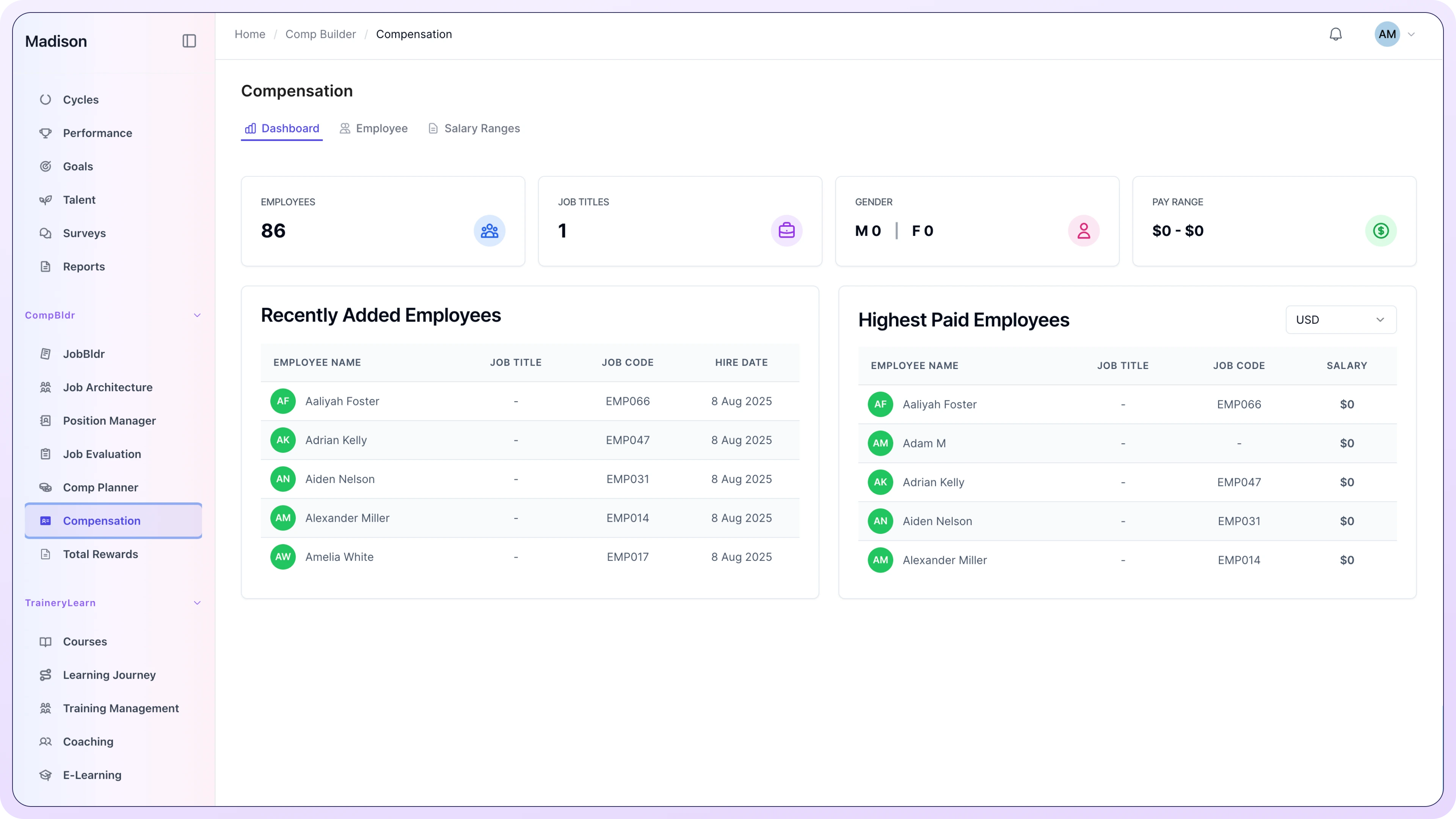
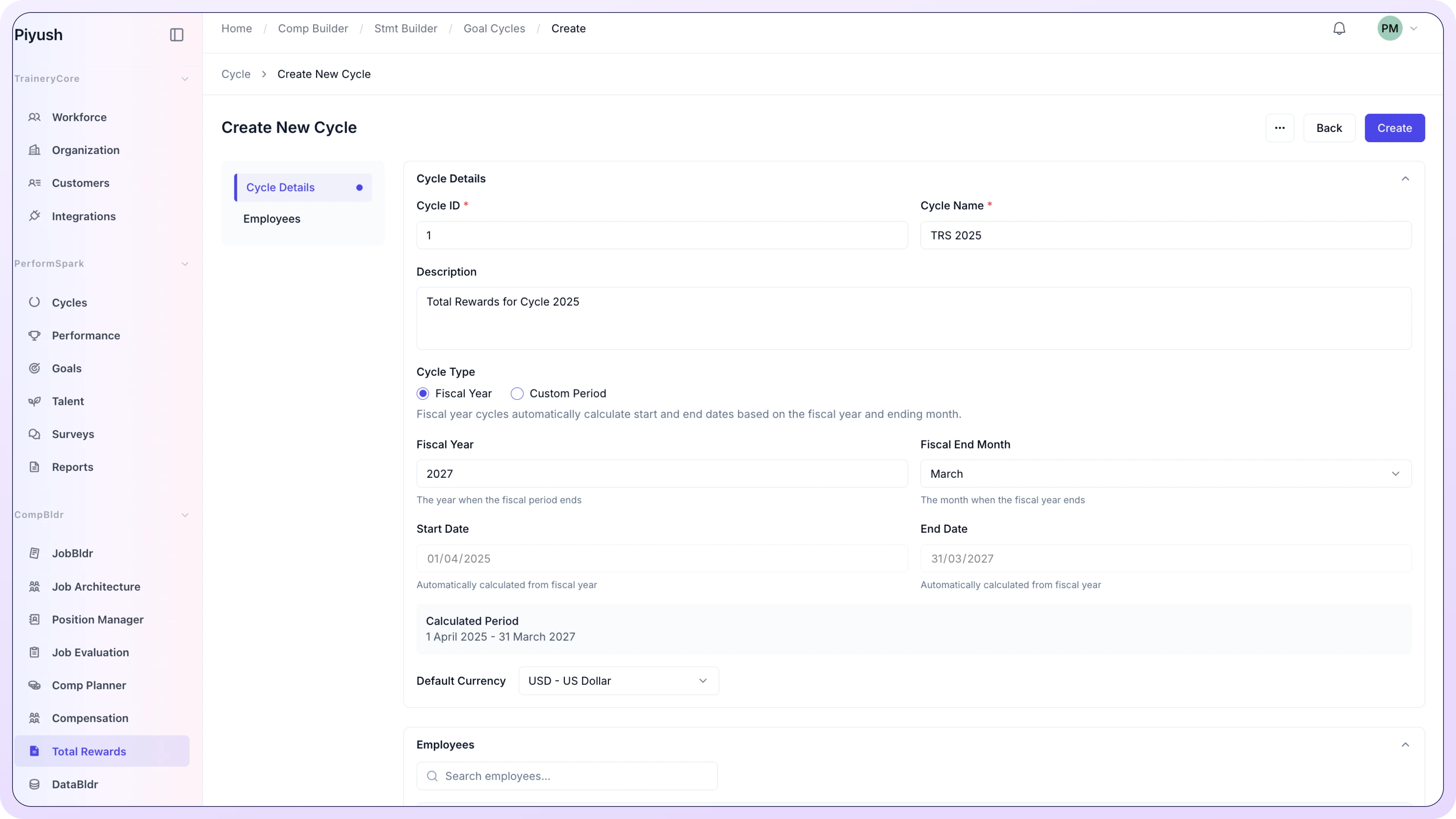
Deep dive into the specialized tools that power your new compensation strategy.
.svg)


Reviews happen once a year and go nowhere.
Learning is random and disconnected from performance.
Compensation decisions feel unclear or unfair.
Reviews kick off learning journeys and promotion paths.
Learning follows performance insights within daily work.
Compensation shows growth and impactful behaviors.
Understand the 15-factor evaluation framework and how structured evaluation supports defensible compensation practices. Elevate your strategy from subjective to scientific.
Development shouldn’t be a checkbox exercise. We provide the visibility for employees to stay accountable and managers to coach effectively.


If job evaluation informs compensation, equity, or regulatory decisions in your organization, this module provides the structure and confidence to do it right.

.svg)

.svg)
.svg)

